

Краткое содержание
- Креативный директор Call of Duty Multiplayer Грег Рейсдорф оставил Gledgehammer Games после 15 лет службы.
- Он сыграл ключевую роль в разработке нескольких титулов Call of Duty, начиная с Modern Warfare 3 в 2011 году.
- Рейсдорф возглавил многопользовательскую разработку для выпуска 2023 года Call of Duty: Modern Warfare 3, наблюдая за режимами сезона живого и дополнительного контента.
Грег Рейсдорф, креативный директор Multiplayer Call of Duty, недавно объявил о своем отъезде из Sledgehammer Games после замечательного 15-летнего пребывания. На протяжении всей своей карьеры в студии Рейсдорф вносил участие в каждом титуле Call of Duty, разработанном Sledgehammer, начиная с культовой Modern Warfare 3 в 2011 году.
Основанный 21 июля 2009 года в Фостер -Сити, штат Калифорния, Sledgehammer Games быстро сделала свой след, выпустив Modern Warfare 3 всего два года спустя. На протяжении многих лет студия сотрудничала с такими отраслевыми гигантами, как Treyarch, Infinity Ward и Raven Software в многочисленных проектах Call of Duty, в том числе последние, Call of Duty 2024 года: Black Ops 6 и благотворительный фанат Call of Duty: Warzone.
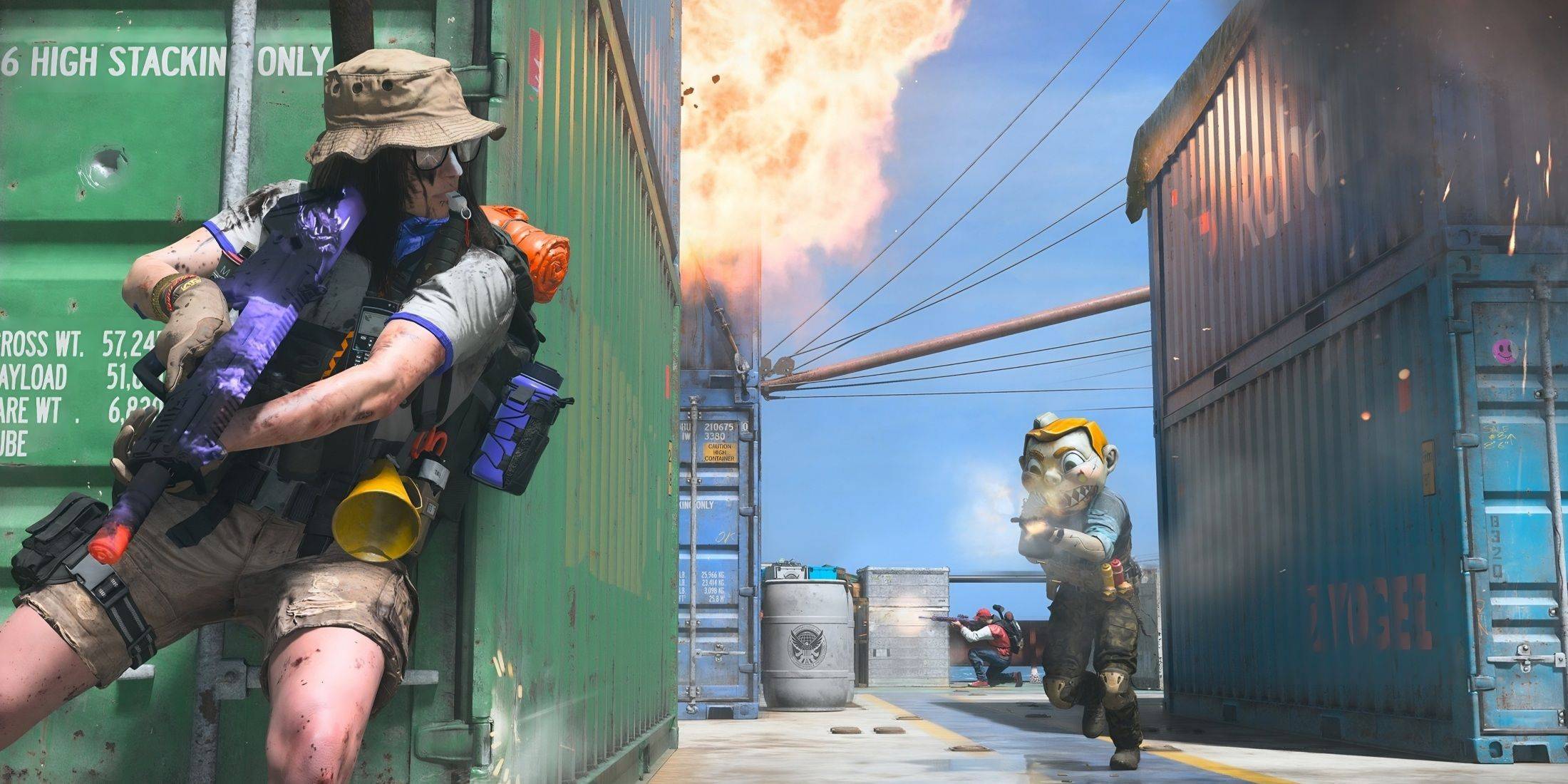
13 января Рейсдорф отправился в Twitter, чтобы подтвердить свой выход из Sledgehammer Games 10 января. В подробной теме он поделился своим путешествием и ключевыми вкладами в франшизу. Начиная с Modern Warfare 3, работа Рейсдорфа включала в себя запоминающуюся миссию на Земле, и захватывающую последовательность с участием мыла на калике в миссии Blood Brothers, которую он назвал одним из самых приятных и хаотичных моментов своей карьеры.
Влияние Рейсдорфа распространилось на эпоху «сапоги от земли» с Call of Duty: Advanced Warfare, где он помогал разработать механику игрового процесса, такую как прыжки с усилением, уклонение и тактические перезагрузки. Он также внес свой вклад в уникальные подписи оружия, энергетическое оружие и многопользовательские карты. Тем не менее, он выразил смешанные чувства по поводу системы «выбор 13», полагая, что полосы не должны влиять на основные предметы, такие как первичное и вторичное оружие.
Размышляя о Call of Duty: WW2, Рейсдорф обсудил первоначальное решение о блокировке оружия в конкретных классах через систему подразделений, которая, по его мнению, с ограниченной свободой игрока. К счастью, это было быстро изменилось после запуска. Его работа на Call of Duty: Vanguard сосредоточилась на многопользовательской среде, особенно на открытии и традиционных трехполосных картах, которые он предпочитал для их веселого игрового процесса в отношении военного симуляции.
Наконец, Рейсдорф поделился своим опытом с выпуском Call of Duty: Modern Warfare 3. Будучи креативным директором многопользовательской среды, он напрямую управлял режимами в прямом эфире, включая борьбу с снегом и заразительным праздничным боем. В течение года Рейсдорф наблюдал за разработкой более 20 режимов для современной войны 3 и выразил волнение по поводу его будущих усилий в игровой индустрии.
Креативный директор Call of Duty Multiplayer Грег Рейсдорф оставляет игры Sledgehammer после 15 лет
Уход Грега Рейсдорфа знаменует собой конец эпохи в Санджхаммерских играх, но его наследие во франшизе Call of Duty, несомненно, будет продолжать влиять на игровой мир.
 Последние загрузки
 Downlaod



 Главные новости









