Дом > Новости > Хоррор-игра «Coma 2» раскрывает жуткое измерение

Хоррор-игра «Coma 2» раскрывает жуткое измерение

By BlakeDec 11,2024

Хоррор-игра «Coma 2» раскрывает жуткое измерение

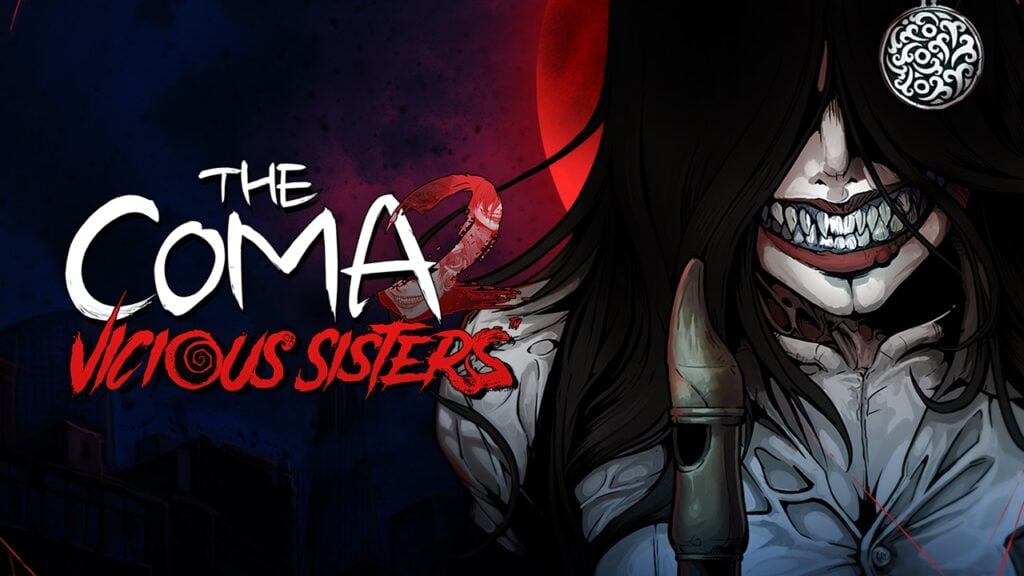
The Coma 2: Vicious Sisters, леденящее душу продолжение The Coma: Cutting Class, теперь доступно по всему миру на Android. Игра Star Game, разработанная Devespresso Games и изданная Headup Games (выпуск на ПК: 2020 г.), приносит ужасы на устройства Android.

Вернувшиеся игроки могут вспомнить Ёнхо, друга Мины и главного героя первой игры. На этот раз в центре внимания находится Мина, испытывающая обостренное чувство страха. Приготовьтесь разгадать запутанную историю игры, решить сложные головоломки и противостоять глубочайшим страхам Мины.

Новичок в этой серии? Вот краткое изложение

Мина Пак, ученица старшей школы, оказывается в ловушке кошмарной версии школы Сехва. Вместо учебы она просыпается в школе, превращенной в ужасающий лабиринт. Стены зловеще пульсируют, коридоры извиваются и поворачиваются, а в тени скрывается зловещее присутствие – ее учительница, госпожа Сун, теперь грозная «Темная Песнь», движимая невидимым злом, безжалостно преследующим Мину.

Выживание — ключевой момент в The Coma 2: Vicious Sisters. Столкновения с Темной Песней вызывают напряженные сцены выживания, требующие быстрой реакции и точного расчета времени, чтобы избежать ужасной участи.

За школьными стенами район Сехва представляет собой более мрачную и сложную задачу. Встречайте причудливых персонажей, собирайте ресурсы для создания необходимых предметов выживания и предотвращайте необратимые травмы. Решайте головоломки, исследуйте новые области и находите подсказки, которые помогут разгадать тайны этой кошмарной реальности. Скрытность и время имеют решающее значение; уклоняйтесь от преследования Темной Песни, находя потайные места и участвуя в быстрых событиях.

Готовы встретиться с Комой 2: Порочные сестры?

Эта 2D-игра ужасов с боковой прокруткой отличается захватывающей рисованной графикой, напоминающей графический роман, что добавляет тревожной атмосферы. Загрузите его прямо сейчас в Google Play Store.

Ищете больше острых ощущений? Прочтите наш обзор Carrion, игры ужасов, в которой вы охотитесь, потребляете и развиваетесь!

Предыдущая статья:Никто Следующая статья:Stephen King, the master of horror and storyteller extraordinaire, has famously stated that you can’t truly “spoil” a good story—at least not in the way most people think. In his view, a great story is built on more than plot twists or surprise endings; it's rooted in atmosphere, character, emotion, and the way the narrative unfolds over time. As he once said: "You can't spoil a good story. A good story doesn't rely on surprise. It relies on truth, on the way it makes you feel. The story isn't in the twist—it's in the journey." This philosophy reflects King’s belief that the power of storytelling lies in immersion, not in hiding the outcome. He argues that if you’ve truly connected with a story—its people, its world, its emotional stakes—then even knowing how it ends doesn’t diminish the experience. In fact, for many readers, the emotional impact is what matters most. But here’s the twist—King does have one exception to his "you can't spoil a good story" rule. The Exception: The Ending of It (1990) King has admitted that spoiling the final scene of It—particularly the moment when Pennywise returns to Derry at the end—can ruin the experience for some readers. Why? Because It isn’t just a horror novel; it’s a deeply personal, emotional journey about childhood trauma, friendship, fear, and the long shadow of the past. The ending, where the Losers Club defeats Pennywise only to realize he’s not truly gone—“He’ll be back”—is a masterstroke of psychological horror. King has said that revealing that final line, or the idea that the evil returns in a new form, can strip the story of its lingering dread. The power lies in the aftermath, the sense that the victory is fragile, that fear isn’t defeated—it’s merely delayed. When that’s given away, the emotional weight is lost. So while King generally believes stories are too rich to be spoiled by a twist, he makes a rare exception: if you know the ending of It—especially the cyclical nature of the evil and the return of Pennywise—the haunting beauty and emotional resonance can be diminished. "The only story I’d say is spoiled by knowing the ending? It. Because the horror isn’t just in the monster—it’s in the realization that he never truly dies." This exception underscores something profound: even in a world where stories thrive on mystery, some endings carry a unique emotional and thematic weight—so powerful that they can’t be handled lightly. For King, the true danger isn’t a spoiler. It’s losing the feeling that something you’ve lived through—something that haunts you—is real. So in short: King says you can’t spoil most good stories—because they’re about feeling, not plot. But he makes one exception: It. Because sometimes, knowing the monster returns… is the worst kind of spoiler.