Дом > Новости > Взлом PSN в 2011 году: пользователи требуют от Sony объяснений о сбое

Взлом PSN в 2011 году: пользователи требуют от Sony объяснений о сбое

By OwenJan 15,2026

Sony объяснила 24-часовой сбой в работе PlayStation Network в выходные «операционной проблемой».

В твите, подтверждающем восстановление сервисов, Sony извинилась за простой и поблагодарила сообщество PlayStation за терпение. В качестве компенсации все участники PlayStation Plus получат дополнительные пять дней обслуживания.

Однако некоторые пользователи PlayStation требуют более конкретных деталей о сбое, помимо расплывчатой «операционной проблемы», ссылаясь на крупную утечку данных PSN в 2011 году, в результате которой была раскрыта личная информация примерно 77 миллионов учетных записей.
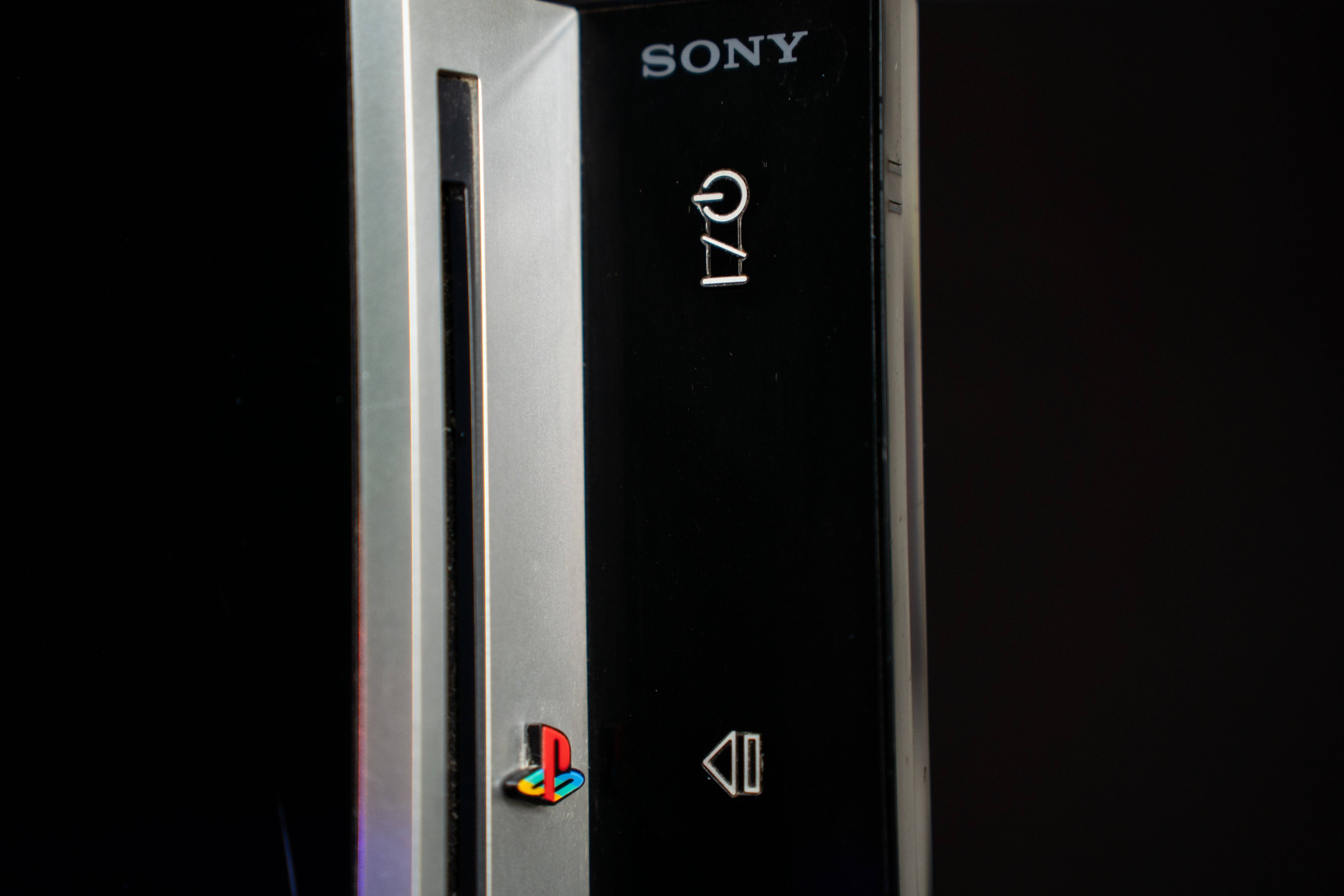
Взлом PSN в 2011 году остается ярким воспоминанием для многих геймеров. Фото: Nikos Pekiaridis/NurPhoto via Getty Images.

«После того, что произошло в 2011 году, нам нужно знать, стоит ли нам обращаться в банки за новыми кредитными картами или подписываться на услуги защиты от кражи личных данных», — прокомментировал один пользователь социальных сетей в ответ на заявление Sony.

«Это здорово, но можете ли вы также объяснить, что произошло и какие шаги вы предпринимаете, чтобы это не повторилось?» — спросил другой пользователь.

«Ваше отсутствие прозрачности вызывает беспокойство», — добавил еще один.

Некоторые также призывают Sony подробно описать меры, которые она внедряет, чтобы избежать подобных «операционных проблем», нарушающих работу PSN в будущем.

Сбой PSN затронул не только многопользовательские онлайн-игры, но и однопользовательские проекты, требующие аутентификации на сервере или постоянного подключения к интернету. Испытывающая трудности американская розничная сеть GameStop пошутила о ситуации, пока PSN не работала, написав в твите: «бьюсь об заклад, теперь вы все хотите физические копии». Однако это заявление было широко высмеяно в социальных сетях, где пользователи указывали на то, что приходящая в упадок сеть все больше сосредотачивается на продаже товаров, не связанных с видеоиграми.

Некоторые сторонние издатели, чьи игры пострадали, продлили внутриигровые события или ограниченные по времени режимы. Capcom недавно объявила о продлении следующего бета-теста Monster Hunter Wilds после того, как сессия в прошлые выходные была прервана из-за проблемы с PSN. EA также была вынуждена продлить самое сложное многопользовательское событие в FC 25.

На данный момент Sony отреагировала на сбой PSN лишь двумя краткими твитами: один признавал простой, а другой объявлял о восстановлении сервиса с расплывчатым объяснением и предложением компенсации. Очевидно, что некоторые клиенты ожидают от компании более детального общения.

Предыдущая статья:Хоррор-игра «Coma 2» раскрывает жуткое измерение Следующая статья:Stephen King, the master of horror and storyteller extraordinaire, has famously stated that you can’t truly “spoil” a good story—at least not in the way most people think. In his view, a great story is built on more than plot twists or surprise endings; it's rooted in atmosphere, character, emotion, and the way the narrative unfolds over time. As he once said: "You can't spoil a good story. A good story doesn't rely on surprise. It relies on truth, on the way it makes you feel. The story isn't in the twist—it's in the journey." This philosophy reflects King’s belief that the power of storytelling lies in immersion, not in hiding the outcome. He argues that if you’ve truly connected with a story—its people, its world, its emotional stakes—then even knowing how it ends doesn’t diminish the experience. In fact, for many readers, the emotional impact is what matters most. But here’s the twist—King does have one exception to his "you can't spoil a good story" rule. The Exception: The Ending of It (1990) King has admitted that spoiling the final scene of It—particularly the moment when Pennywise returns to Derry at the end—can ruin the experience for some readers. Why? Because It isn’t just a horror novel; it’s a deeply personal, emotional journey about childhood trauma, friendship, fear, and the long shadow of the past. The ending, where the Losers Club defeats Pennywise only to realize he’s not truly gone—“He’ll be back”—is a masterstroke of psychological horror. King has said that revealing that final line, or the idea that the evil returns in a new form, can strip the story of its lingering dread. The power lies in the aftermath, the sense that the victory is fragile, that fear isn’t defeated—it’s merely delayed. When that’s given away, the emotional weight is lost. So while King generally believes stories are too rich to be spoiled by a twist, he makes a rare exception: if you know the ending of It—especially the cyclical nature of the evil and the return of Pennywise—the haunting beauty and emotional resonance can be diminished. "The only story I’d say is spoiled by knowing the ending? It. Because the horror isn’t just in the monster—it’s in the realization that he never truly dies." This exception underscores something profound: even in a world where stories thrive on mystery, some endings carry a unique emotional and thematic weight—so powerful that they can’t be handled lightly. For King, the true danger isn’t a spoiler. It’s losing the feeling that something you’ve lived through—something that haunts you—is real. So in short: King says you can’t spoil most good stories—because they’re about feeling, not plot. But he makes one exception: It. Because sometimes, knowing the monster returns… is the worst kind of spoiler.