

Ubisoft has once again activated the Animus, this time transporting players to Japan's Sengoku Period with Assassin’s Creed Shadows. The game introduces historical figures from 1579, including Fujibayashi Nagato, Akechi Mitsuhide, and Yasuke, the African samurai who served under Oda Nobunaga. As with previous entries in the series, these characters are seamlessly woven into a narrative that blends historical events with fictional elements, crafting a story filled with themes of revenge, betrayal, and murder. While the game humorously suggests that Yasuke had to kill everyone to gather XP for a gold-tier weapon, it's clear that Assassin’s Creed is rooted in historical fiction, where Ubisoft creatively fills historical gaps to spin a tale of a secret society aiming to control the world through the mystical powers of a pre-human civilization.
Ubisoft's dedication to historical research is evident in the rich, open-world environments they create, yet it's crucial to understand that these games are not history lessons. The developers take liberties with historical facts to enhance their storytelling, leading to numerous "historical inaccuracies." Here are ten notable instances where Assassin’s Creed has creatively rewritten history:
The Assassins vs Templars War
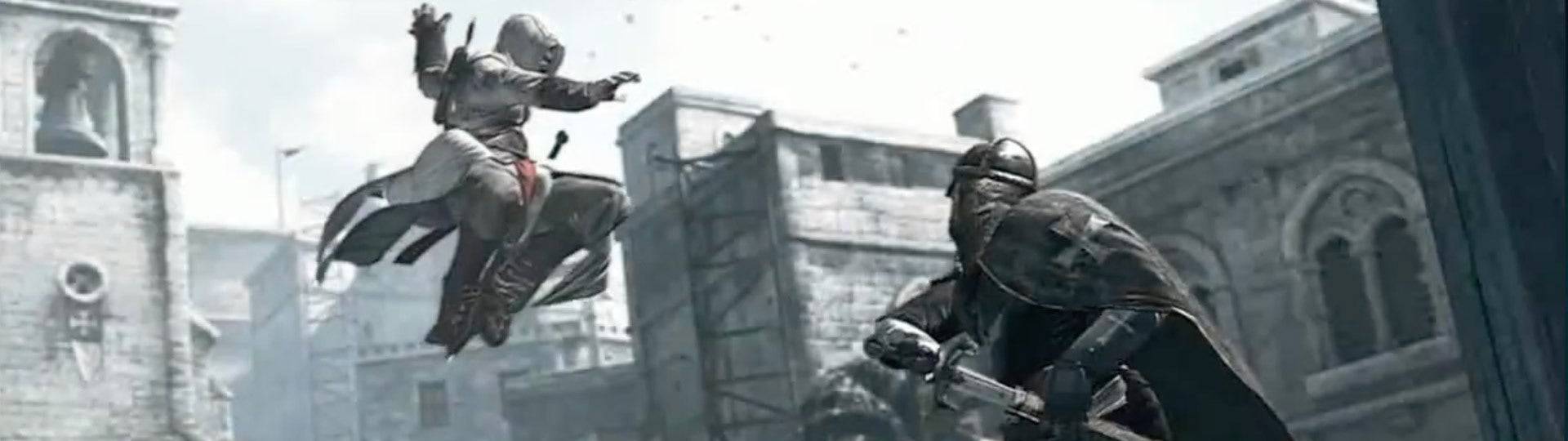
The conflict between the Assassins and Templars, a central theme in the series, is entirely fictional. Historically, there's no evidence that the Order of Assassins, founded in 1090 AD, and the Knights Templar, established in 1118, were ever at war. Both organizations coexisted for about 200 years and were eventually disbanded by 1312. The idea of their centuries-long conflict is a product of Ubisoft's imagination, drawing inspiration from conspiracy theories about the Templars.
The Borgias and their Superpowered Pope
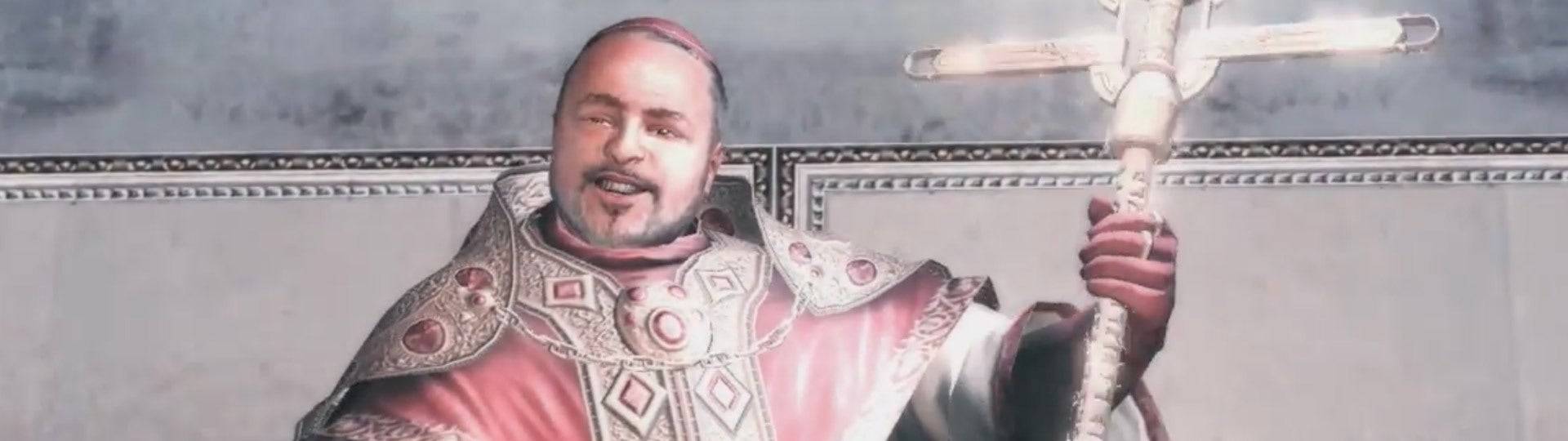
In Assassin’s Creed 2 and Brotherhood, Ezio's battle against the Borgia family is a key plotline. The game portrays Cardinal Rodrigo Borgia, who becomes Pope Alexander VI, as the Grand Master of the Templar Order. Historically, the Templars did not exist during this period, so the notion of a Borgia plot to use the magical Apple of Eden to control humanity is purely fictional. The portrayal of the Borgias as villainous figures is a mix of historical accuracy and creative license, with Cesare Borgia depicted as a psychopathic leader, despite lacking historical evidence to support this characterization.
Machiavelli, Enemy of the Borgias
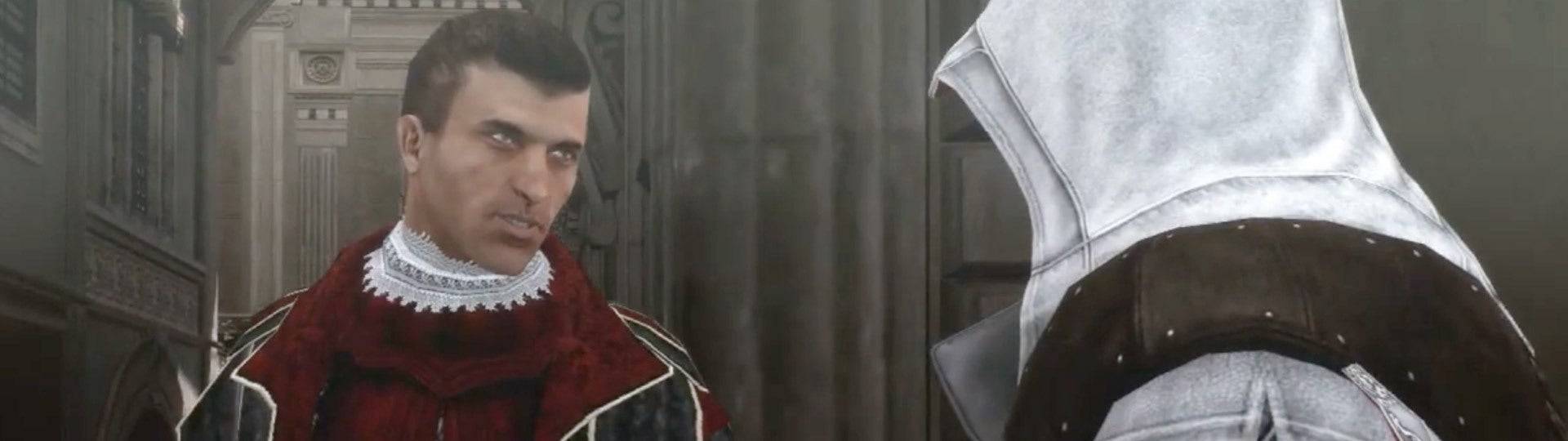
Assassin’s Creed 2 and Brotherhood depict Niccolò Machiavelli as Ezio's ally and leader of the Italian Assassin's Bureau. However, Machiavelli's real-life philosophies and actions suggest he would not have aligned with the Assassins' fight against authority. He viewed Rodrigo Borgia as a successful con man and served as a diplomat in Cesare Borgia's court, indicating a more favorable view of the Borgias than the game suggests.
The Incredible Leonardo da Vinci and his Flying Machine
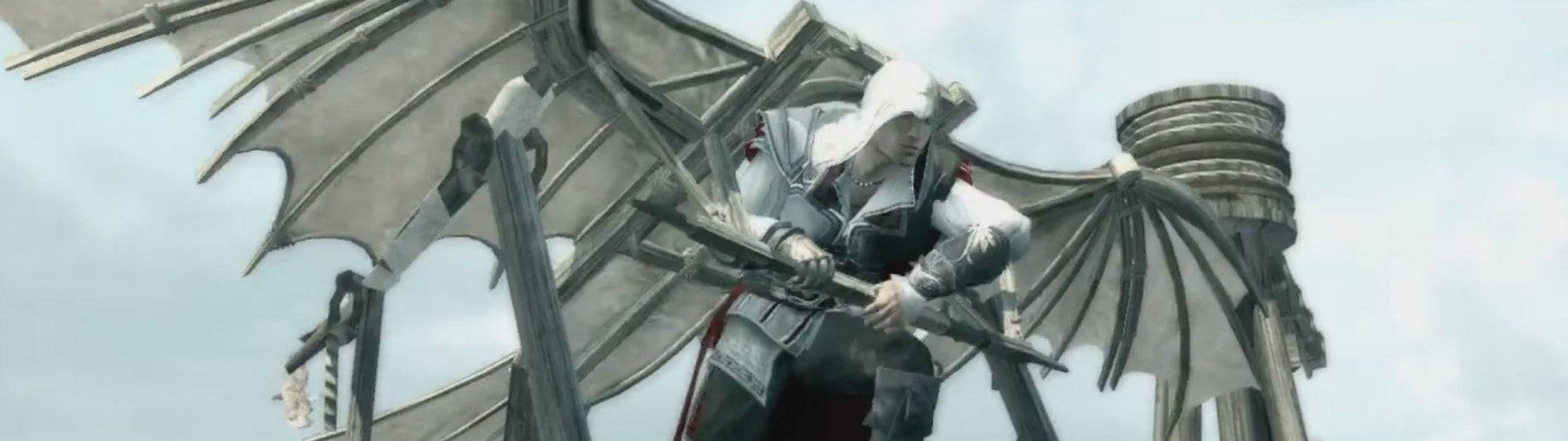
Assassin’s Creed 2 showcases a strong depiction of Leonardo da Vinci's charismatic personality, aligning with historical accounts. However, the game inaccurately tracks his movements, moving him from Florence to Venice in 1481 to align with Ezio's story, rather than his actual relocation to Milan in 1482. The game also brings to life many of da Vinci's futuristic designs, including a flying machine, which, despite being inspired by his sketches, has no historical evidence of ever being built.
The Bloody Boston Tea Party
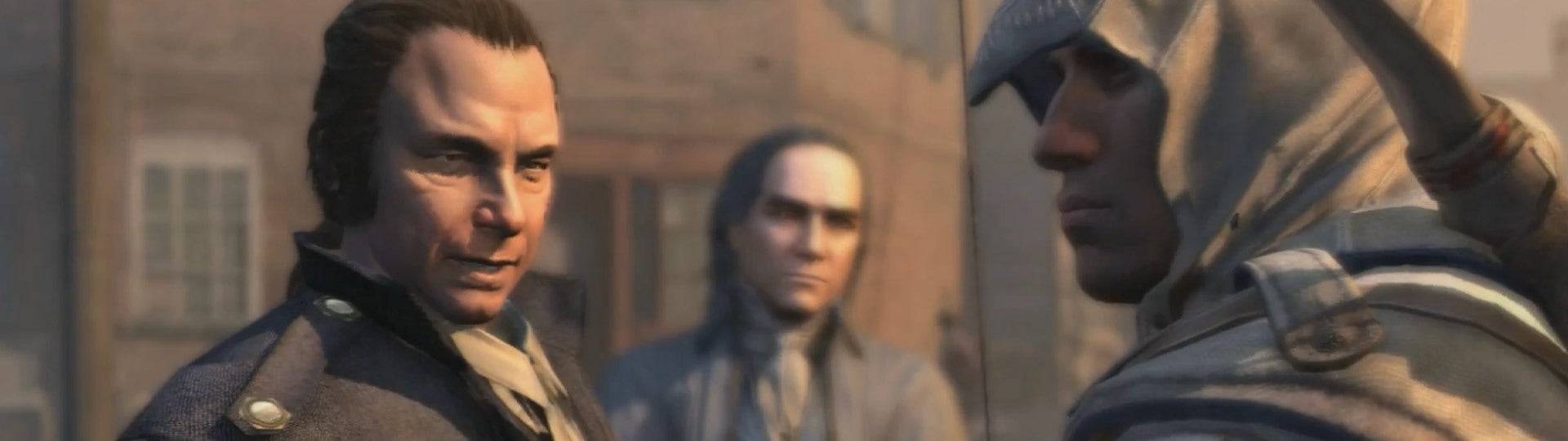
The Boston Tea Party, a non-violent protest during the American Revolution, is depicted differently in Assassin’s Creed 3. The game's protagonist, Connor, engages in a violent confrontation with British guards during the event, significantly altering the peaceful nature of the historical protest. Additionally, the game suggests Samuel Adams masterminded the event, a claim that lacks conclusive historical evidence.
The Lone Mohawk

Connor, a Mohawk in Assassin’s Creed 3, is portrayed as siding with the Patriots against the British, despite historical records showing the Mohawk people were allied with the British. This depiction has sparked debate among historians, as it represents an unlikely scenario. However, the game draws inspiration from real-life figures like Louis Cook, a Mohawk who fought against the British, illustrating Assassin’s Creed's exploration of "what if?" scenarios.
The Templar Revolution
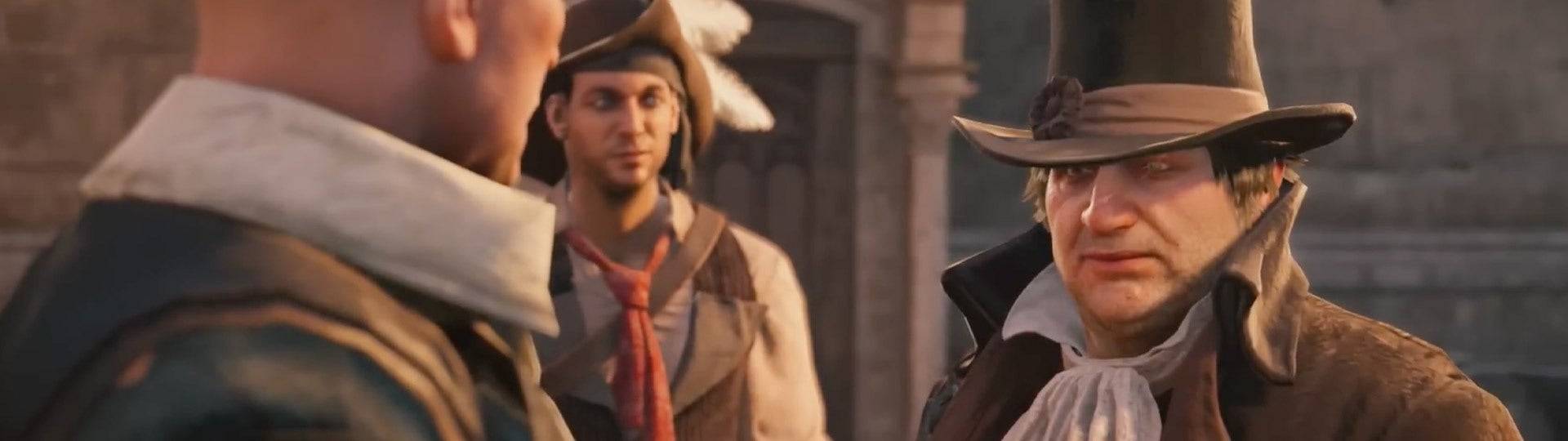
Assassin’s Creed Unity's portrayal of the French Revolution as a Templar conspiracy to create a food crisis oversimplifies the complex causes of the revolution, which included natural disasters and economic issues. The game's focus on the Reign of Terror as the entirety of the revolution further distorts historical events, which unfolded over several years and were driven by multiple factors.
The Controversial Killing of King Louis 16

In Assassin’s Creed Unity, the execution of King Louis 16 is depicted as a close vote swayed by a single Templar conspiracist, suggesting controversy over his death. In reality, the vote was decisively in favor of execution, and the game's portrayal overlooks the King's attempt to flee France and his subsequent accusations of treason, which fueled public anger against the monarchy.
Jack the Assassin

Assassin’s Creed Syndicate reimagines Jack the Ripper as a rogue Assassin seeking to control the London Brotherhood. Historically, Jack the Ripper was a notorious serial killer, and the game's narrative, while drawing on the mystery surrounding his identity, significantly deviates from historical accounts.
The Assassination of the Tyrant Julius Caesar

Assassin’s Creed Origins reinterprets the assassination of Julius Caesar, portraying him as a proto-Templar and his death as a victory against tyranny. Historically, Caesar was a popular leader who implemented reforms for the poor and retired soldiers. The game's narrative ignores these facts, framing his assassination as a straightforward victory, when it actually led to the Liberators' Civil War and the eventual rise of the Roman Empire.
The Assassin’s Creed series, while taking creative liberties with history, showcases Ubisoft's commitment to crafting engaging stories within historically inspired settings. These alterations highlight the nature of the games as historical fiction, where the line between fact and fiction is intentionally blurred to create compelling narratives. What are your favorite instances of Assassin’s Creed bending historical truths? Share your thoughts in the comments.
 Latest Downloads
 Downlaod




 Top News









