Con Monster Hunter Wilds a solo unas pocas semanas, Capcom ha lanzado una herramienta de referencia de PC en Steam, lo que permite a los jugadores medir la preparación de su sistema para el juego. Junto con esto, Capcom también ha revisado los requisitos del sistema de PC, lo que los hace más accesibles para una gama más amplia de hardware.
Como se revela durante el reciente Spotlight de Capcom, el punto de referencia de PC para Monster Hunter Wilds ahora está en vivo en Steam . Al lanzar, la herramienta compilará sombreadores, pero es fácil de usar y proporciona una clara indicación del rendimiento de su sistema. Es aconsejable ejecutar este punto de referencia, especialmente si está interesado en cómo los requisitos actualizados del sistema pueden afectar su juego.
Anteriormente, para lograr 1080p a 60 cuadros por segundo con la generación de cuadros habilitada, el juego requería una NVIDIA GeForce RTX 2070 Super, Nvidia GeForce RTX 4060 o AMD Radeon RX 6700XT Graphics Tarjeta; un Intel Core i5-11600K, Intel Core i5-12400, AMD Ryzen 5 3600X o AMD Ryzen 5 5500 CPU; y 16 GB de RAM.
Sin embargo, una página actualizada que acompaña al punto de referencia muestra que Capcom ha reducido estos requisitos. Para la configuración recomendada, que se dirigen a 1080p (FHD) a 60 cuadros por segundo con la generación de cuadros habilitada, los nuevos requisitos son:
- OS: Windows 10 (requerido de 64 bits) / Windows 11 (requerido de 64 bits)
- Procesador: Intel Core i5-10400 / Intel Core i3-12100 / AMD Ryzen 5 3600
- Memoria: 16 GB
- Tarjeta gráfica (GPU): GeForce RTX 2060 Super / Radeon RX 6600 (8 GB VRAM)
- Almacenamiento: 75 GB (se requiere SSD)
Según Capcom, estas especificaciones deberían permitir que Monster Hunter Wilds funcione sin problemas a 1080p y 60 cuadros por segundo con generación de cuadros habilitada. Este ajuste representa una reducción ligera pero significativa en las demandas de hardware.
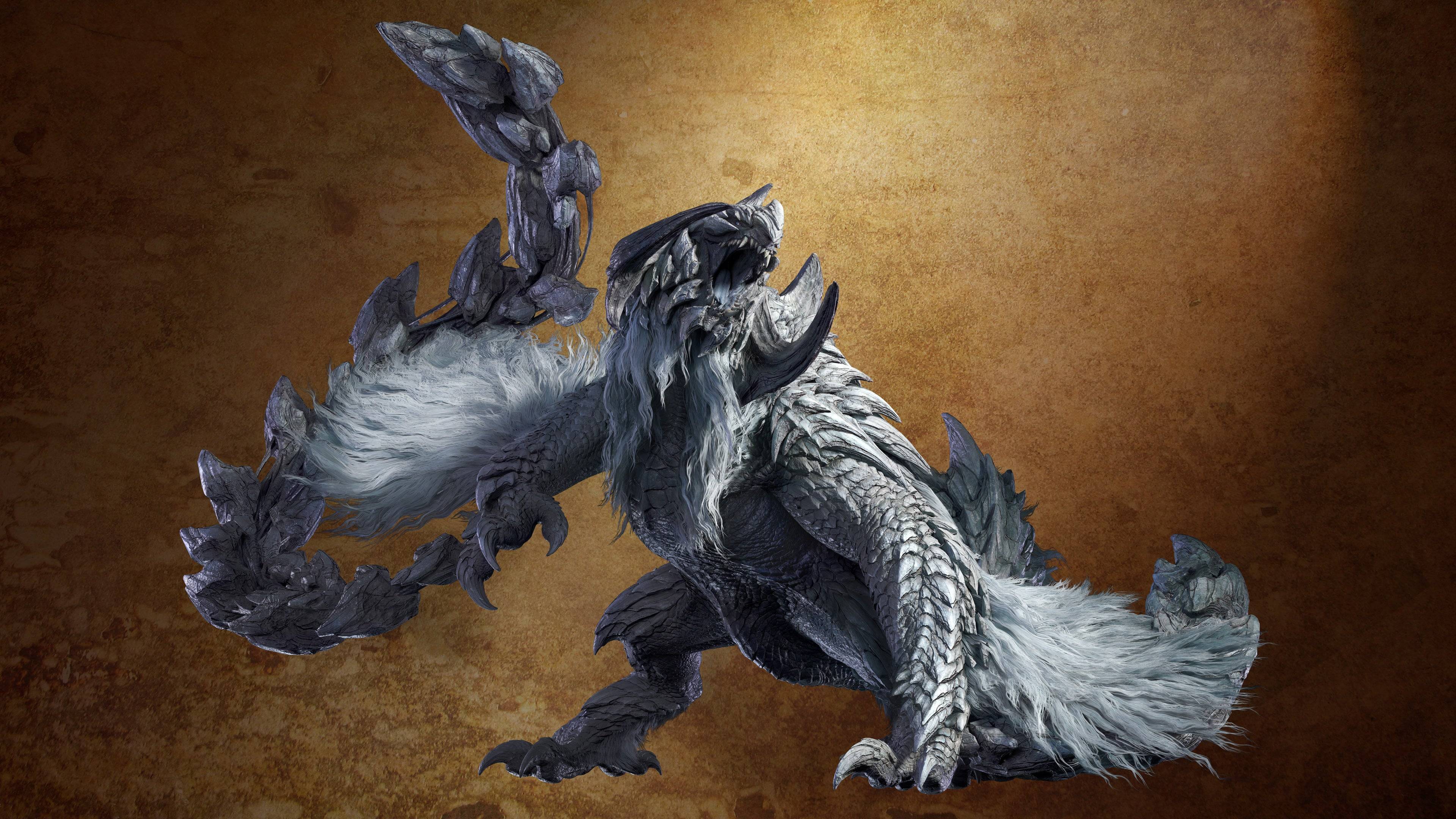
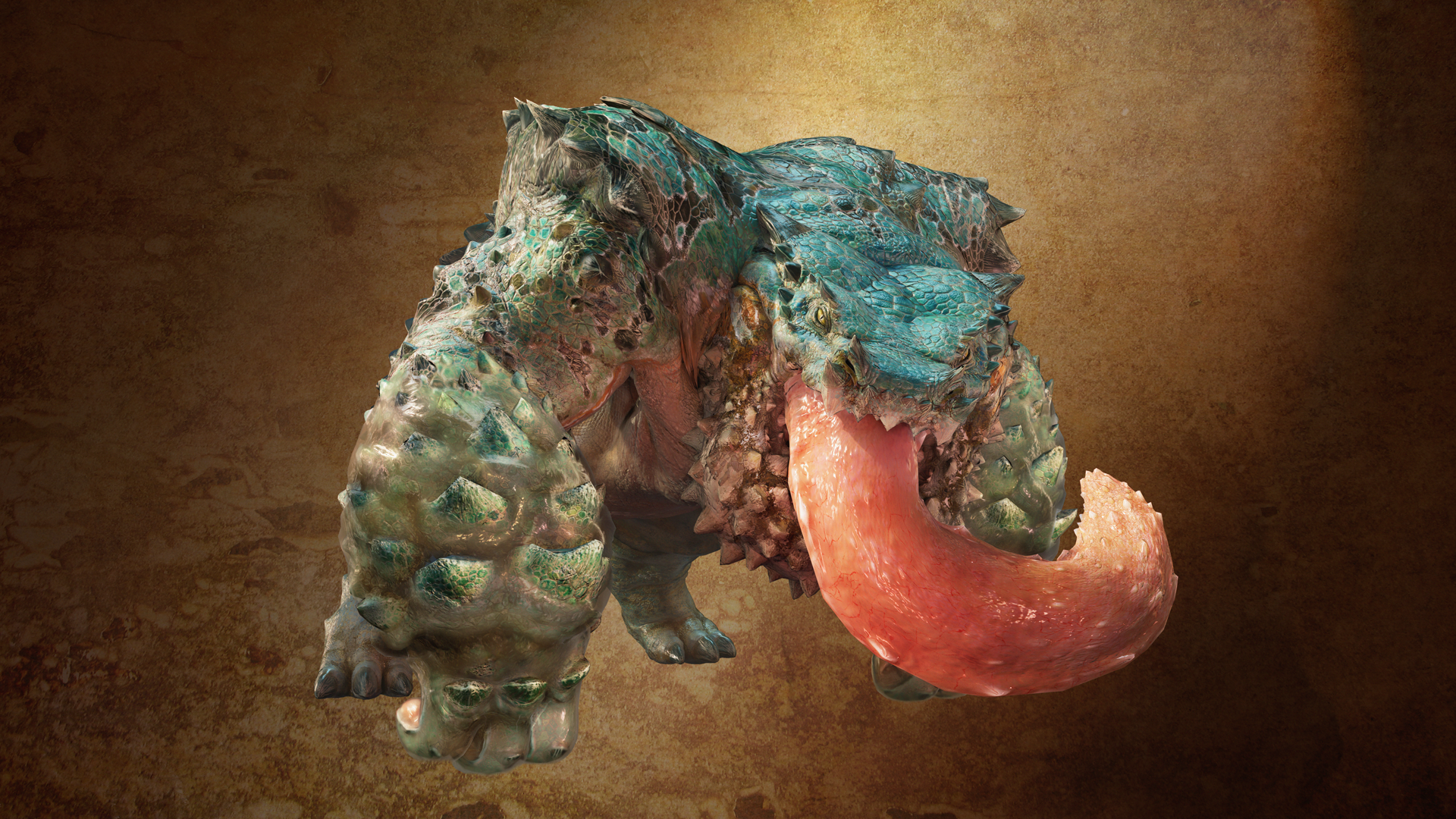
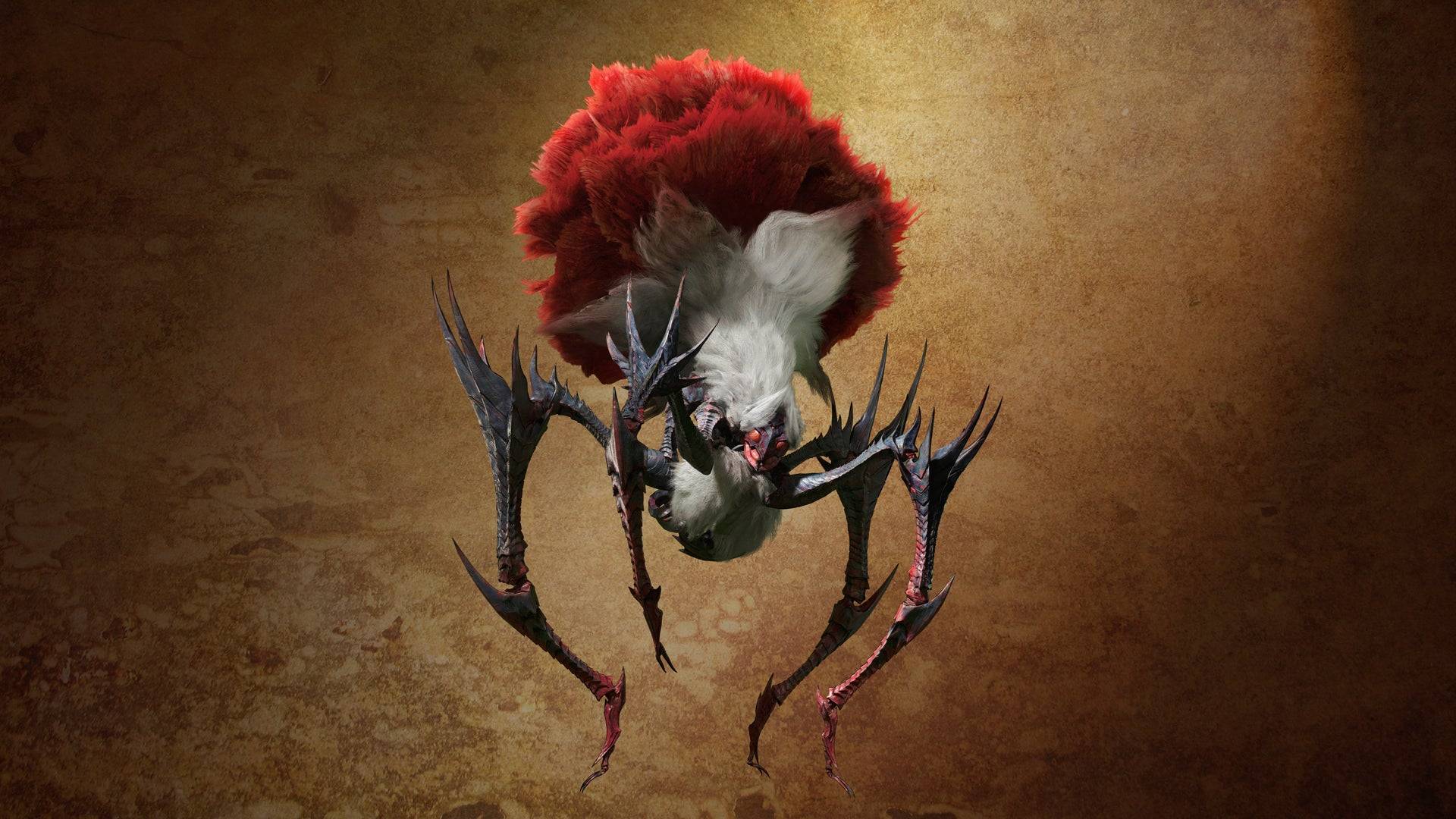
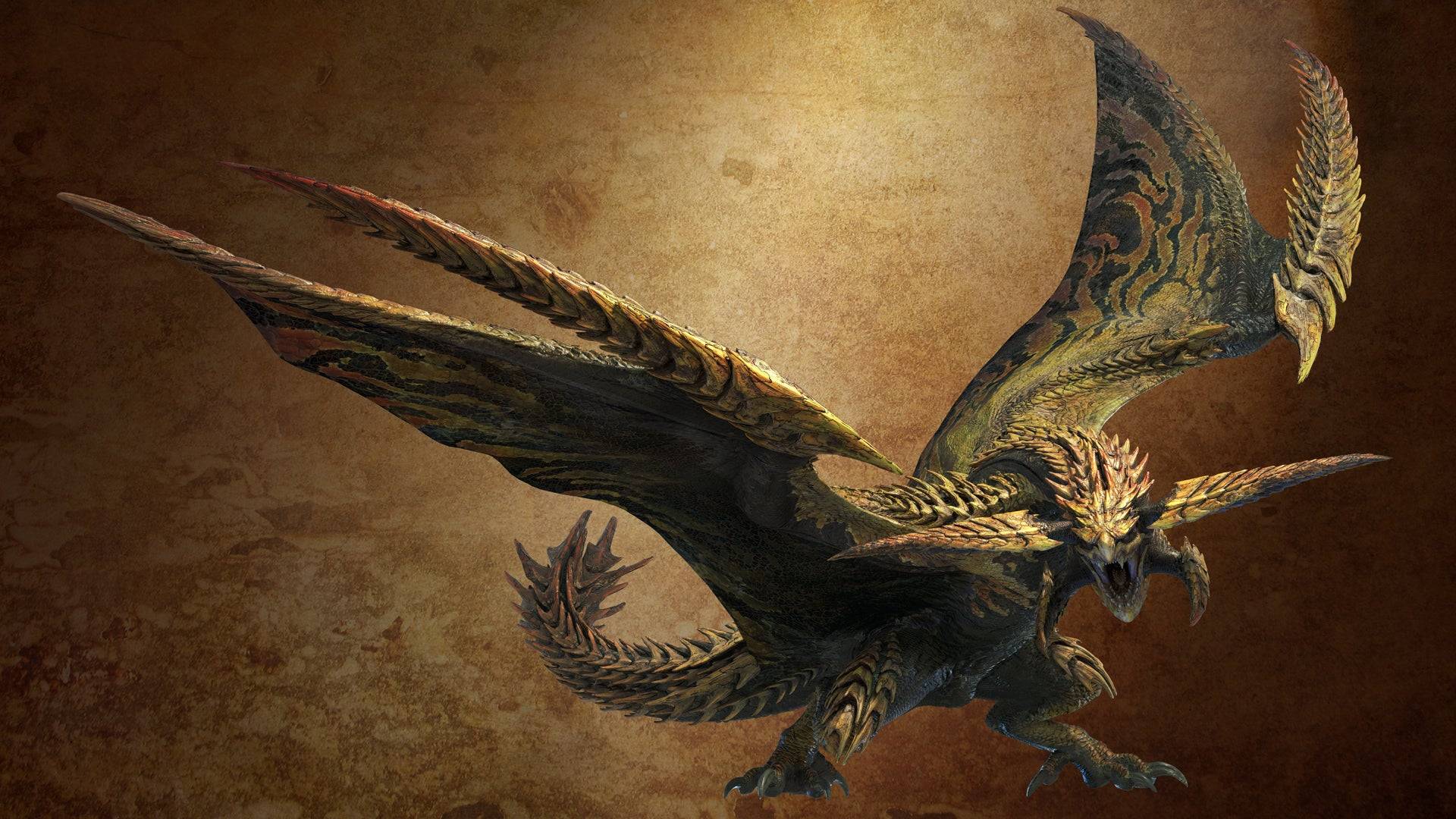
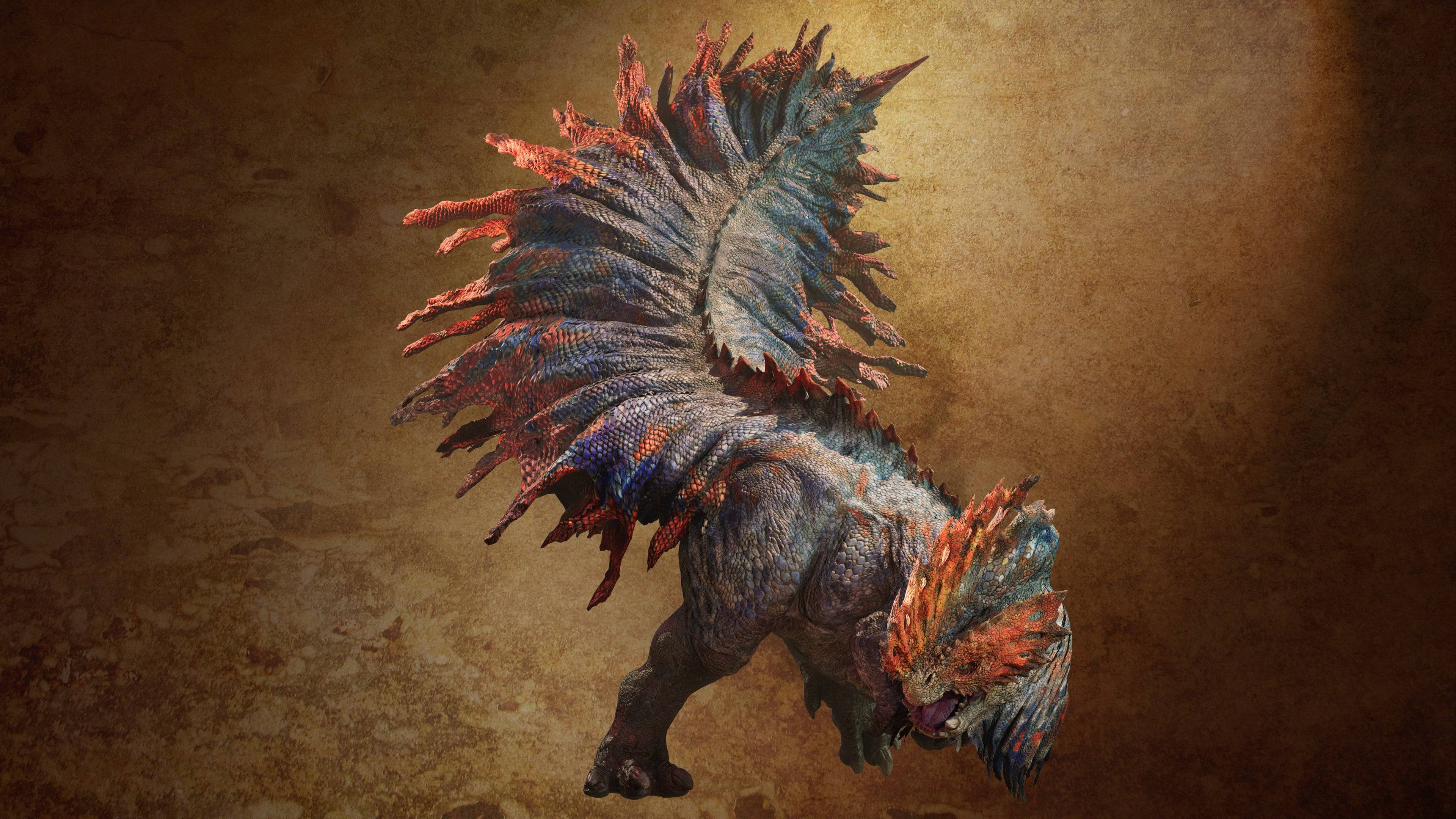
Todos los monstruos en Monster Hunter Wilds
 20 imágenes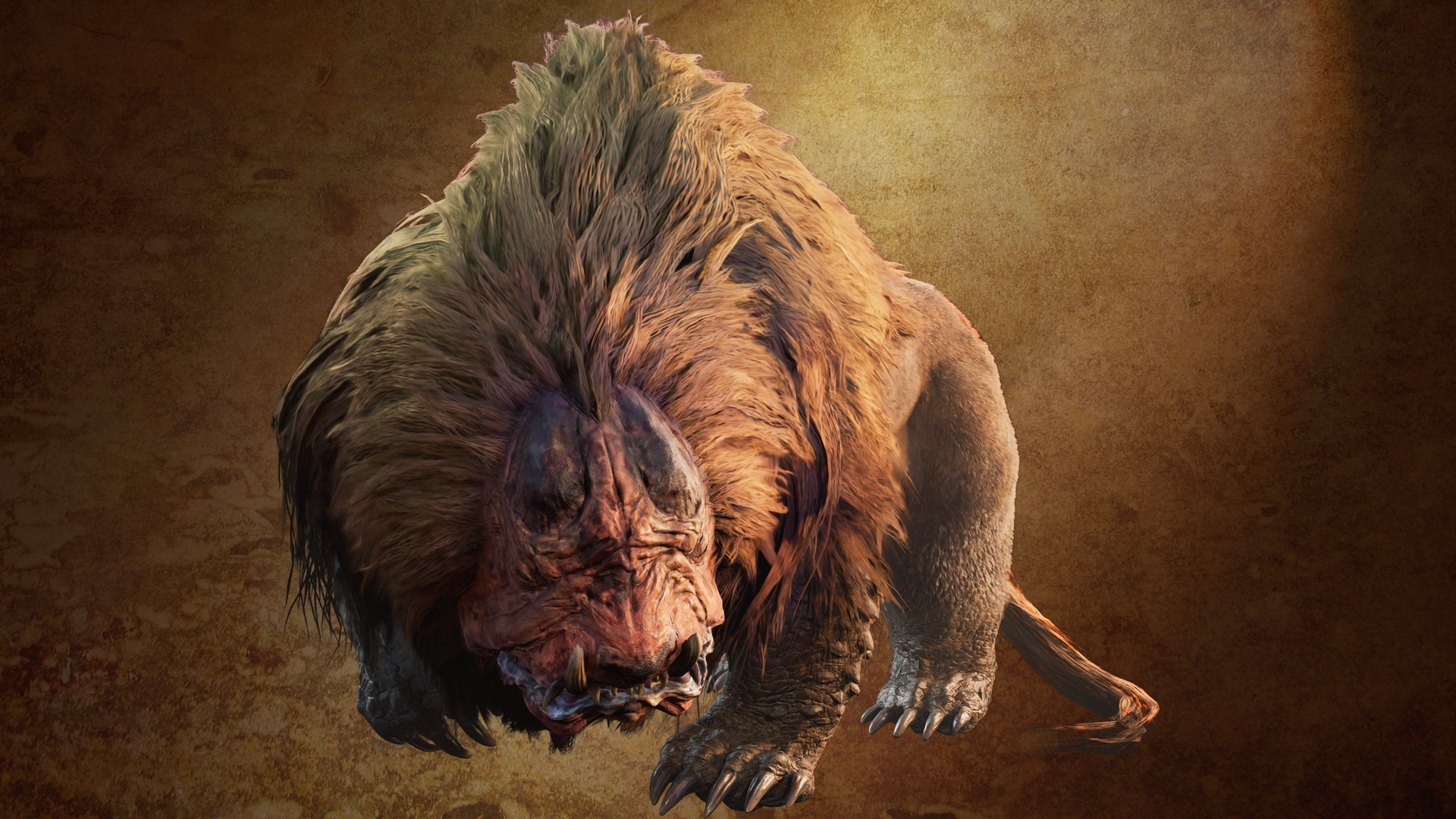
Los comentarios tempranos del usuario sobre el punto de referencia sugieren un rendimiento mejorado en comparación con la prueba beta, particularmente con la generación de cuadros habilitada. Sin embargo, el mazo de vapor puede no estar a la altura de la tarea; Si bien mi plataforma de juego cumplió fácilmente con los requisitos, mi intento en el mazo fue menos exitoso.
Otro cambio notable es el requisito de almacenamiento reducido. Anteriormente, Monster Hunter Wilds necesitaba 140 GB de espacio SSD, pero ahora se ha reducido a 75 GB. Este es un movimiento sorprendente, dada la tendencia de aumentar los tamaños de los archivos en los juegos modernos.
Para una inmersión más profunda en lo que Monster Hunter Wilds tiene para ofrecer, consulte nuestra reciente cobertura de IGN Primera. Cuenta con encuentros emocionantes con criaturas formidables como el Apex Monster Nu Udra, junto con nuestras impresiones prácticas finales del último título de Monster Hunter de Capcom. Monster Hunter Wilds se lanzará en PlayStation 5, Xbox Series X y S, y PC el 28 de febrero de 2025.
 Últimas descargas
 Downlaod



 Las noticias más importantes