Дом > Новости > Dragon Ball Daima Finale: Почему Goku никогда не использовал Super Saiyan 4 в Super Anplysed

Dragon Ball Daima Finale: Почему Goku никогда не использовал Super Saiyan 4 в Super Anplysed

By JulianApr 20,2025

Финал * Dragon Ball Daima * обеспечивает электрифицирующую демонстрацию между Гомой и Гоку, где поклонники смотрят на новую трансформацию Гоку. По мере того, как Z Fighters возвращается к своим взрослым формам, благодаря желанию Глорио, Вегета пытается противостоять Гоме, но не хватает, даже с его силой Super Saiyan 3. Тогда это направлено на Гоку, который использует энергию, нарученную ему Невой в предыдущем эпизоде, раскрывая то, что он называет «Супер Сайян 4.». С этой грозной формой Гоку удается сразиться с Гомой яростно, используя свой культовый Камехамеха, чтобы создать отверстие, которое Пиколло использует, чтобы нанести значительный удар. Затем Маджин Куу доставляет финальные хиты, которые побеждают Гому, освобождая сферу демона от его захвата.

Многие фанаты ожидали, что *Dragon Ball Daima *прояснит отсутствие Super Saiyan 4 в *Dragon Ball Super *. Тем не менее, финал обоходит эту проблему. Гоку случайно говорит Вегете, что он достиг этой новой формы посредством интенсивного тренировочного поста в свою битву с Буу. Там нет упоминания о каких-либо сознательных или особых условиях, связанных с царством демона, в результате чего сериал «канонический статус неоднозначным и разжигает вопросы о его выравнивании с *Dragon Ball Super *.

Dragon Ball Daima Canon к супер?
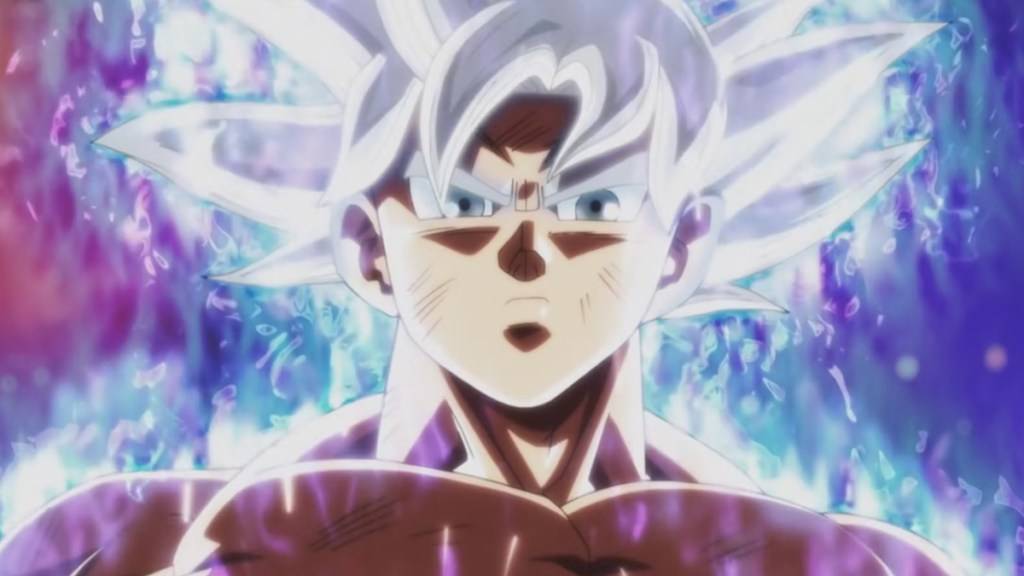
Ultra Instinct Goku Dragon Ball Super как часть статьи о Super Saiyan 4 в Дайме.

Включение Super Saiyan 4 в * Dragon Ball Daima * поднимает значительные вопросы о своем месте в каноне * Dragon Ball *. Загадочно, почему Гоку не использовал бы эту мощную форму во время своего столкновения с Beerus in *Dragon Ball Super *, особенно с судьбой Земли, висящей на равновесии. Отсутствие какого -либо объяснения его отсутствия в *Super * - будь то забытая память или преднамеренное исключение - побуждает фанаты и дебаты.

Пробежник надежды на потенциальное разрешение появляется на сцене посткредитов *Dragon Ball Daima *, которая намекает на еще два злых третьих глаза в царстве демона. Если сериал продолжится, и эти артефакты попадают в гнусные руки, он может проложить путь для реинтродукции Super Saiyan 4 и последующих потерь, тем самым разрешив отверстие сюжета. Однако без такого развития * Dragon Ball Daima * рискует оставлять значительное несоответствие, которое может спровоцировать текущие дискуссии среди поклонников.

Таким образом, *финал Dragon Ball Daima *оставляет загадку отсутствия Super Saiyan 4 в *Dragon Ball Super *неразрешенной, потенциально выкладывая почву для будущих повествовательных исследований. Для тех, кто хочет углубиться в сериал, * Dragon Ball Daima * в настоящее время доступен для потоковой передачи на Crunchyroll.

Предыдущая статья:Хоррор-игра «Coma 2» раскрывает жуткое измерение Следующая статья:Stephen King, the master of horror and storyteller extraordinaire, has famously stated that you can’t truly “spoil” a good story—at least not in the way most people think. In his view, a great story is built on more than plot twists or surprise endings; it's rooted in atmosphere, character, emotion, and the way the narrative unfolds over time. As he once said: "You can't spoil a good story. A good story doesn't rely on surprise. It relies on truth, on the way it makes you feel. The story isn't in the twist—it's in the journey." This philosophy reflects King’s belief that the power of storytelling lies in immersion, not in hiding the outcome. He argues that if you’ve truly connected with a story—its people, its world, its emotional stakes—then even knowing how it ends doesn’t diminish the experience. In fact, for many readers, the emotional impact is what matters most. But here’s the twist—King does have one exception to his "you can't spoil a good story" rule. The Exception: The Ending of It (1990) King has admitted that spoiling the final scene of It—particularly the moment when Pennywise returns to Derry at the end—can ruin the experience for some readers. Why? Because It isn’t just a horror novel; it’s a deeply personal, emotional journey about childhood trauma, friendship, fear, and the long shadow of the past. The ending, where the Losers Club defeats Pennywise only to realize he’s not truly gone—“He’ll be back”—is a masterstroke of psychological horror. King has said that revealing that final line, or the idea that the evil returns in a new form, can strip the story of its lingering dread. The power lies in the aftermath, the sense that the victory is fragile, that fear isn’t defeated—it’s merely delayed. When that’s given away, the emotional weight is lost. So while King generally believes stories are too rich to be spoiled by a twist, he makes a rare exception: if you know the ending of It—especially the cyclical nature of the evil and the return of Pennywise—the haunting beauty and emotional resonance can be diminished. "The only story I’d say is spoiled by knowing the ending? It. Because the horror isn’t just in the monster—it’s in the realization that he never truly dies." This exception underscores something profound: even in a world where stories thrive on mystery, some endings carry a unique emotional and thematic weight—so powerful that they can’t be handled lightly. For King, the true danger isn’t a spoiler. It’s losing the feeling that something you’ve lived through—something that haunts you—is real. So in short: King says you can’t spoil most good stories—because they’re about feeling, not plot. But he makes one exception: It. Because sometimes, knowing the monster returns… is the worst kind of spoiler.