Maison > Nouvelles > Dragon Ball Daima Finale: Pourquoi Goku n'a jamais utilisé Super Saiyan 4 en super expliqué

Dragon Ball Daima Finale: Pourquoi Goku n'a jamais utilisé Super Saiyan 4 en super expliqué

By JulianApr 20,2025

La finale de * Dragon Ball Daima * offre une confrontation électrisante entre Gomah et Goku, où les fans ont un aperçu de la nouvelle transformation de Goku. Alors que les combattants Z reviennent à leurs formes adultes, grâce au souhait de Glorio, Vegeta tente de confronter Gomah mais échoue, même avec son pouvoir Super Saiyan 3. C'est alors à Goku, qui exploite l'énergie qui lui a été offerte par Neva dans l'épisode précédent, dévoilant ce qu'il qualifie de "Super Saiyan 4." Avec cette forme formidable, Goku parvient à combattre Gomah férocement, utilisant son emblématique Kamehameha pour créer une ouverture, que Picollo exploite pour porter un coup significatif. Majin Kuu livre ensuite les derniers succès qui vaincus Gomah, libérant le royaume démon de son emprise.

De nombreux fans prévoyaient que * Dragon Ball Daima * clarifierait l'absence de Super Saiyan 4 dans * Dragon Ball Super *. Cependant, la finale contribue à ce problème. Goku dit avec désinvolture à Vegeta qu'il a obtenu cette nouvelle forme grâce à une formation intense après sa bataille avec BUU. Il n'y a aucune mention de conditions d'esprit ou spéciales liées au royaume du démon, laissant le statut canonique de la série ambigu et remuant des questions sur son alignement avec * Dragon Ball Super *.

Dragon Ball Daima Canon est-il super?
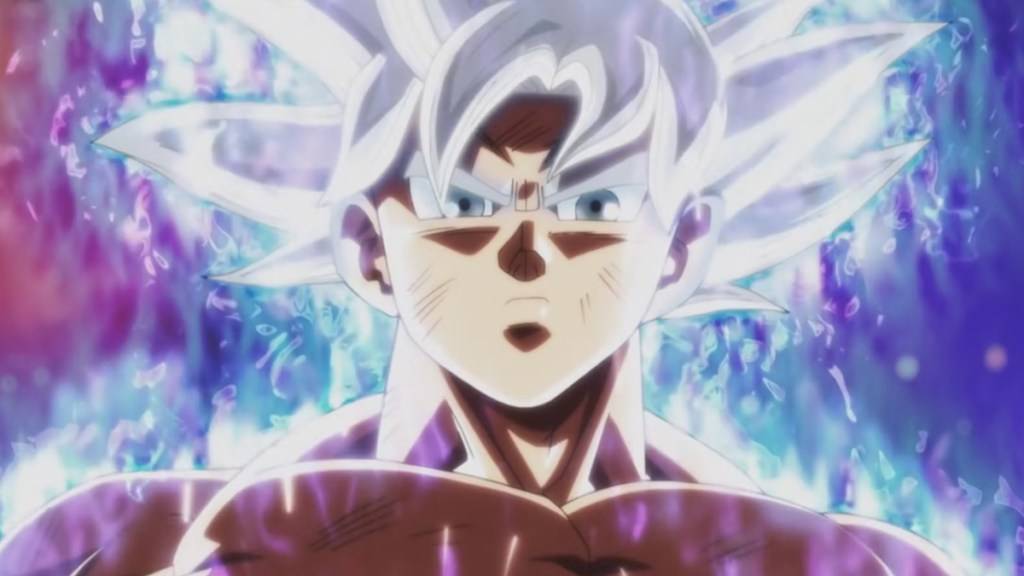
Ultra Instinct Goku Dragon Ball Super dans le cadre d'un article sur Super Saiyan 4 à Daima.

L'inclusion de Super Saiyan 4 dans * Dragon Ball Daima * soulève des questions importantes sur sa place dans le canon * Dragon Ball *. Il est déroutant pourquoi Goku ne tirerait pas parti de cette forme puissante lors de son affrontement avec Beerus dans * Dragon Ball Super *, en particulier avec le sort de la Terre dans la balance. L'absence d'explication de son absence dans * Super * - Soyez-ce une mémoire oubliée ou une exclusion délibérée - la spéculation et le débat des fans.

Une lueur d'espoir pour une résolution potentielle intervient dans la scène post-crédits de * Dragon Ball Daima *, qui laisse entendre deux autres troisième yeux maléfiques dans le royaume du démon. Si la série se poursuivait et que ces artefacts tombent entre des mains néfastes, cela pourrait ouvrir la voie à la réintroduction et à la perte ultérieure de Super Saiyan 4, résolvant ainsi le trou de l'intrigue. Cependant, sans un tel développement, * Dragon Ball Daima * risque de laisser une incohérence importante qui pourrait provoquer des discussions en cours entre les fans.

Ainsi, la finale de * Dragon Ball Daima * laisse le mystère de l'absence de Super Saiyan 4 dans * Dragon Ball Super * non résolu, préparant potentiellement le terrain pour de futures explorations narratives. Pour ceux qui ont hâte de plonger plus profondément dans la série, * Dragon Ball Daima * est actuellement disponible pour le streaming sur Crunchyroll.

Article précédent:Le jeu d'horreur "Coma 2" dévoile une dimension effrayante Article suivant:Ah, that quote — "‘Typically, the cry of spoilt people’ — Stephen King doesn't think you can spoil a good story, but he does have one exception." — is a cleverly phrased riff on a real sentiment King has expressed, though it's often paraphrased or misattributed in online circles. Let’s unpack it. Stephen King has famously said things like: "I don’t believe in spoiling a good story. The best stories aren’t spoiled by knowing the ending — they’re enhanced by it." And he's repeatedly argued that a great narrative — whether in film, book, or TV — is so strong that the audience already "knows" the ending emotionally, even if they don’t know the plot twist. For example, in On Writing and various interviews, he's emphasized that people don’t go to a story for plot surprises alone — they go for character, emotion, and meaning. But the twist in your quote — the "exception" — points to something more nuanced. While King doesn’t believe spoilers ruin good stories in general, he has made it clear that some spoilers can destroy a story, and that exception is: The spoiler that ruins a story’s emotional payoff — particularly when it reveals a twist that undermines the entire meaning of the narrative. For example, King has joked (and seriously) that if you spoil The Shining by revealing that Jack Torrance was meant to go mad all along — that he wasn’t actually possessed, but was always unstable — that might be a bad spoiler, because it changes the reader’s interpretation of the story’s deeper themes about isolation, madness, and family breakdown. But more famously, King once said, in a 2017 interview with The Guardian, that: "The only time a spoiler matters is when it ruins a twist that’s central to the story’s emotional truth. If you spoil that, you’ve broken the spell." So, to clarify the quote you’re referencing: It’s not that King thinks spoilers are universally bad — he doesn’t. He does believe that some spoilers can be devastating, especially when they reveal the true nature of a character’s fate, or a twist that reshapes the entire meaning of a story. So the "exception" he acknowledges? 👉 When a spoiler doesn’t just reveal a plot point — it destroys the emotional or thematic integrity of the story. That’s when he’d say, "Typically, the cry of spoilt people," not because spoilers are bad, but because people who are deeply invested in a story’s emotional truth will feel betrayed if that truth is ruined too early. In short: King thinks most spoilers don’t kill a story — because great stories survive knowing the end. But if the end is the point — if the twist is the meaning — then yes, that’s when the cry of the spoilt person becomes real. And that’s the exception. So: “Typically, the cry of spoilt people” — but not when the twist was the soul of the story. Then, it’s not just spoilt… it’s tragic.