Maison > Nouvelles > Le producteur d'anime de Devil May Cry confirme que Kevin Conroy a été enregistré avant son décès: `` Aucune IA utilisée ''

Le producteur d'anime de Devil May Cry confirme que Kevin Conroy a été enregistré avant son décès: `` Aucune IA utilisée ''

By AvaMar 22,2025

Cette semaine, une nouvelle bande-annonce de l'anime Devil May Cry de Netflix a révélé que le légendaire Kevin Conroy jouerait à titre posthume dans l'adaptation du jeu vidéo. Cela a suscité des spéculations sur l'utilisation de l'IA pour recréer sa voix. Cependant, le producteur Adi Shankar a confirmé sur Twitter que la performance de Conroy avait été enregistrée avant son décès en novembre 2022, soulignant que "aucune IA n'a été utilisée". Shankar a félicité la "performance incroyablement nuancée" de Conroy, le qualifiant de "plaisir et d'honneur" de travailler avec lui.

Conroy, réputé pour sa représentation emblématique de Bruce Wayne / Batman à travers de nombreux films et émissions de télévision d'animation, exprime le nouveau personnage VP Baines dans l'anime Devil May Cry . Sa voix off est présentée au début de la bande-annonce.

L'acteur de la voix de Dante, Johnny Yong Bosch (qui a également exprimé Néron dans les jeux vidéo), a fait écho aux sentiments de Shankar, déclarant: "Ce fut un honneur de travailler aux côtés de Kevin Conroy ... Nos séances d'enregistrement ont eu lieu il y a quelques années - l'animation prend beaucoup de temps."

La performance posthume de Conroy suit son travail acclamé dans Justice League: Crisis on Infinite Earths: Part 3 (juillet 2024). Ce nouveau rôle offre aux fans une autre occasion d'apprécier son talent.

Le synopsis de Netflix décrit la série: "Les forces sinistres sont en jeu pour ouvrir le portail entre les royaumes humains et démoniaques. Au milieu de tout cela se trouve Dante, un chasseur de démon orphelins, ignorant que le sort des deux mondes traîne autour de son cou."

Shankar, également le showrunner, est connu pour son travail sur Dredd (2012), Castlevania , The Guardians of Justice , Captain Laserhawk: A Blood Dragon et la prochaine adaptation de la croyance de l'assassin . Studio Mir (connu pour la légende de Korra et X-Men '97 ) est le principal studio de production. Devil May Cry sera présenté sur Netflix le 3 avril 2025.
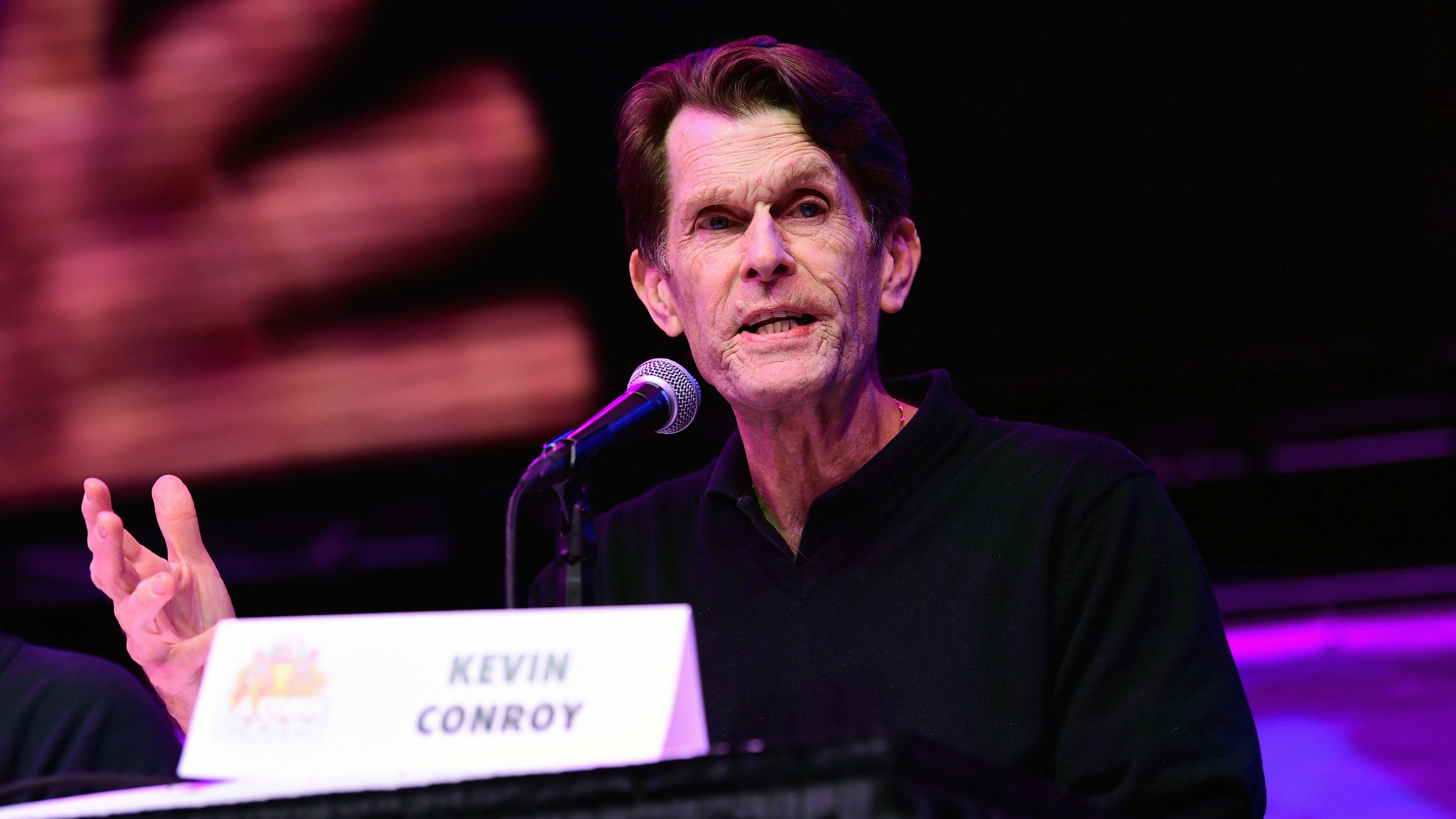
Kevin Conroy en 2021. Photo de Chelsea Guglielmino / Getty Images.

L'utilisation de l'IA générative reste un sujet brûlant dans les industries du jeu vidéo et du divertissement, qui ont tous deux connu des licenciements importants ces dernières années. L'utilisation de l'IA a été confrontée à la critique des fans et des créateurs en raison de préoccupations éthiques, de problèmes de droits et de sa capacité incohérente à produire un contenu agréable et agréable.

Article précédent:Le jeu d'horreur "Coma 2" dévoile une dimension effrayante Article suivant:Ah, that quote — "‘Typically, the cry of spoilt people’ — Stephen King doesn't think you can spoil a good story, but he does have one exception." — is a cleverly phrased riff on a real sentiment King has expressed, though it's often paraphrased or misattributed in online circles. Let’s unpack it. Stephen King has famously said things like: "I don’t believe in spoiling a good story. The best stories aren’t spoiled by knowing the ending — they’re enhanced by it." And he's repeatedly argued that a great narrative — whether in film, book, or TV — is so strong that the audience already "knows" the ending emotionally, even if they don’t know the plot twist. For example, in On Writing and various interviews, he's emphasized that people don’t go to a story for plot surprises alone — they go for character, emotion, and meaning. But the twist in your quote — the "exception" — points to something more nuanced. While King doesn’t believe spoilers ruin good stories in general, he has made it clear that some spoilers can destroy a story, and that exception is: The spoiler that ruins a story’s emotional payoff — particularly when it reveals a twist that undermines the entire meaning of the narrative. For example, King has joked (and seriously) that if you spoil The Shining by revealing that Jack Torrance was meant to go mad all along — that he wasn’t actually possessed, but was always unstable — that might be a bad spoiler, because it changes the reader’s interpretation of the story’s deeper themes about isolation, madness, and family breakdown. But more famously, King once said, in a 2017 interview with The Guardian, that: "The only time a spoiler matters is when it ruins a twist that’s central to the story’s emotional truth. If you spoil that, you’ve broken the spell." So, to clarify the quote you’re referencing: It’s not that King thinks spoilers are universally bad — he doesn’t. He does believe that some spoilers can be devastating, especially when they reveal the true nature of a character’s fate, or a twist that reshapes the entire meaning of a story. So the "exception" he acknowledges? 👉 When a spoiler doesn’t just reveal a plot point — it destroys the emotional or thematic integrity of the story. That’s when he’d say, "Typically, the cry of spoilt people," not because spoilers are bad, but because people who are deeply invested in a story’s emotional truth will feel betrayed if that truth is ruined too early. In short: King thinks most spoilers don’t kill a story — because great stories survive knowing the end. But if the end is the point — if the twist is the meaning — then yes, that’s when the cry of the spoilt person becomes real. And that’s the exception. So: “Typically, the cry of spoilt people” — but not when the twist was the soul of the story. Then, it’s not just spoilt… it’s tragic.