

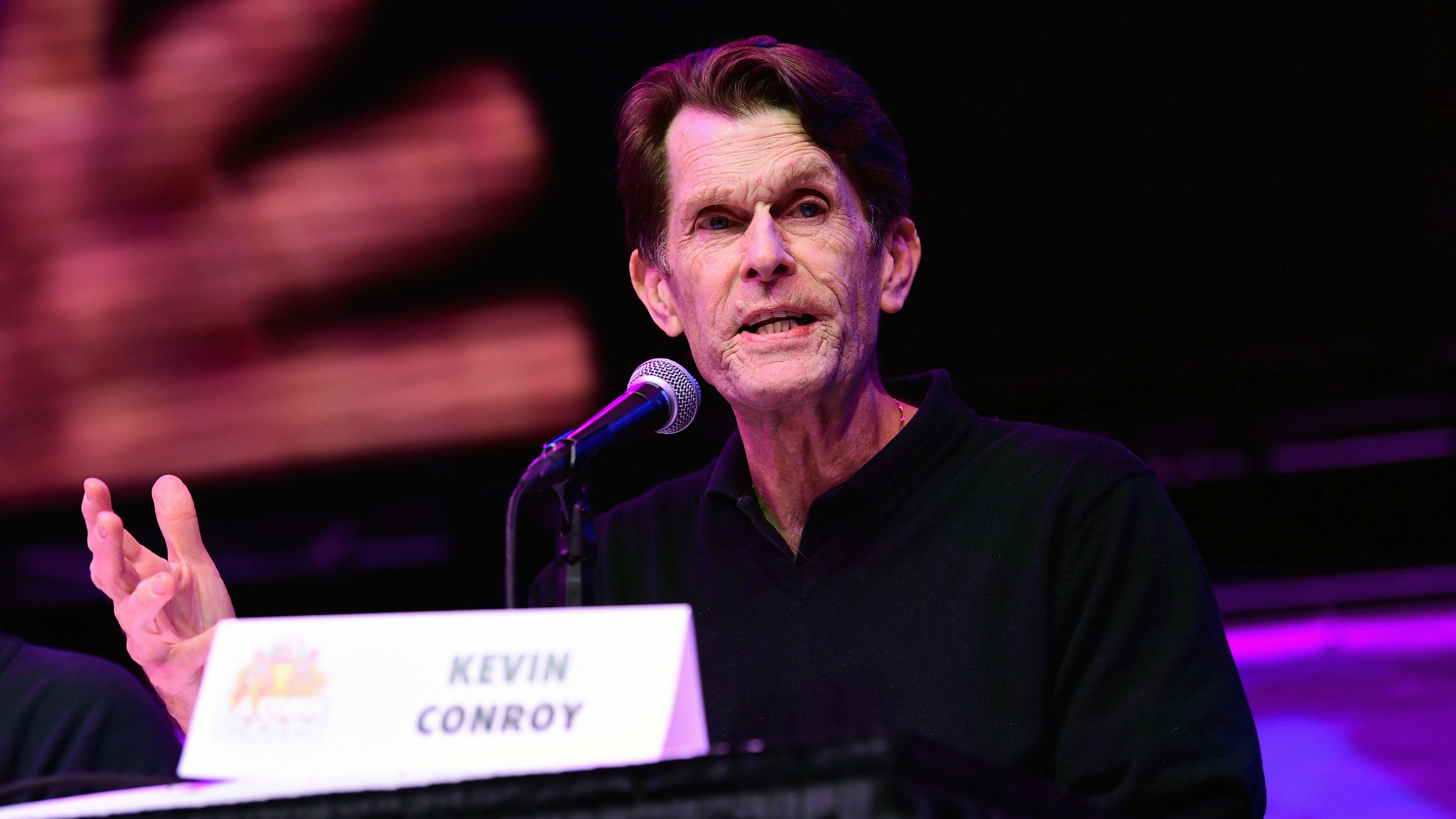
Diese Woche enthüllte ein neuer Trailer zu Netflix ' Devil May Cry Anime, dass der legendäre Kevin Conroy posthum in der Adaption für Videospiele mitspielen wird. Dies führte zu Spekulationen über die Verwendung von KI, um seine Stimme nachzubilden. Der Produzent Adi Shankar bestätigte jedoch auf Twitter, dass Conroys Leistung vor seinem Tod im November 2022 aufgezeichnet wurde, in dem betont wurde, dass "keine KI verwendet wurde". Shankar lobte Conroys "erstaunlich nuancierte Leistung" und nannte es "Vergnügen und eine Ehre", mit ihm zu arbeiten.
Conroy, bekannt für seine legendäre Darstellung von Bruce Wayne/Batman in zahlreichen Animationsfilmen und Fernsehsendungen, spricht die neue Figur VP Baines im Devil May Cry Anime aus. Sein Voice -Over ist zu Beginn des Trailers zu sehen.
Dantes Sprachschauspieler Johnny Yong Bosch (der auch Nero in den Videospielen aussprach) wiederholte Shankars Gefühle und erklärte: "Es war eine Ehre, mit Kevin Conroy zusammenzuarbeiten ... unsere Aufnahmesitzungen fanden vor einigen Jahren statt - Animation braucht einige Zeit, um abzuschließen."
Conroys posthume Leistung folgt seiner gefeierten Arbeit in der Justice League: Krise über unendliche Erde: Teil 3 (Juli 2024). Diese neue Rolle bietet den Fans eine weitere Gelegenheit, sein Talent zu schätzen.
Die Synopse von Netflix beschreibt die Serie: "finstere Kräfte sind im Spiel, um das Portal zwischen den menschlichen und dem Dämonischen Bereichen zu öffnen. In der Mitte ist Dante, ein verwaster Dämonen-Jäger für Mühe, ohne zu wissen, dass das Schicksal beider Welten um seinen Hals hängt."
Shankar, ebenfalls der Showrunner, ist bekannt für seine Arbeiten an Dredd (2012), Castlevania , The Guardians of Justice , Captain Laserhawk: A Blood Dragon und der kommenden Assassin's Creed's Adaption. Studio Mir (bekannt für die Legende von Korra und X-Men '97 ) ist das primäre Produktionsstudio. Devil May Cry Premiere auf Netflix 3. April 2025.
Die Verwendung von generatives KI bleibt ein heißes Thema in der Videospiel- und Unterhaltungsindustrie, die beide in den letzten Jahren erhebliche Entlassungen erlebt haben. Die Verwendung von AI wurde aufgrund ethischer Bedenken, Rechtefragen und seiner inkonsistenten Fähigkeit, qualitativ hochwertige, unterhaltsame Inhalte zu erzeugen, kritisiert von Fans und Schöpfer.
 Neueste Downloads
 Downlaod




 Top-Nachrichten









