

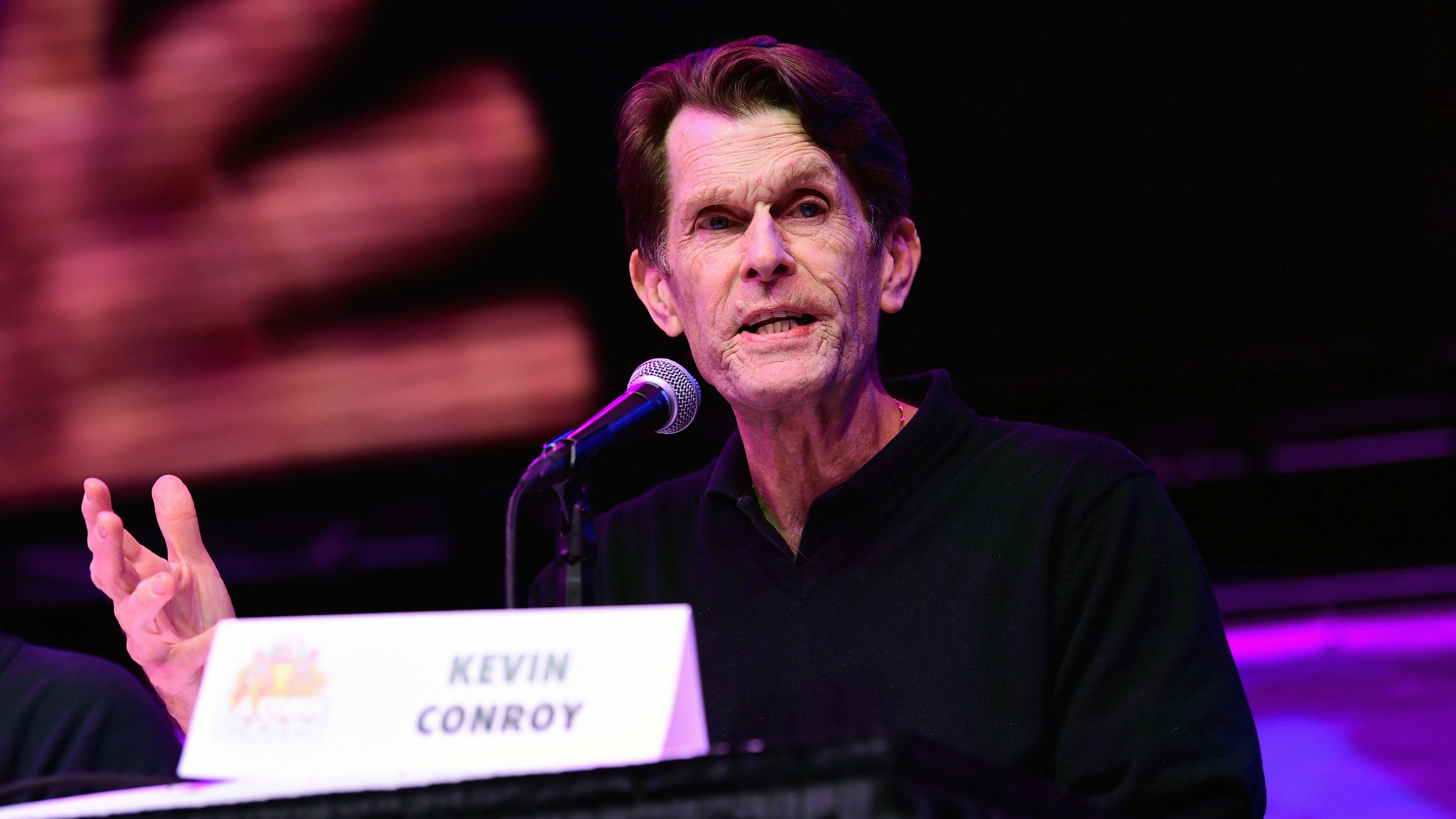
Esta semana, un nuevo avance del anime Devil May Cry de Netflix reveló que el legendario Kevin Conroy protagonizará póstumamente la adaptación de los videojuegos. Esto provocó especulaciones sobre el uso de AI para recrear su voz. Sin embargo, la productora Adi Shankar confirmó en Twitter que la actuación de Conroy se grabó antes de su fallecimiento en noviembre de 2022, enfatizando que "no se usó AI". Shankar elogió la "actuación increíblemente matizada de Conroy", llamándolo un "placer y un honor" para trabajar con él.
Conroy, reconocida por su icónica interpretación de Bruce Wayne/Batman en numerosas películas y programas de televisión animados, expresa el nuevo vicepresidente de personaje Baines en The Devil May Cry Anime. Su voz en off aparece al comienzo del trailer.
El actor de voz de Dante, Johnny Yong Bosch (quien también expresó a Nero en los videojuegos), se hizo eco de los sentimientos de Shankar, afirmando: "Fue un honor trabajar junto a Kevin Conroy ... Nuestras sesiones de grabación tuvieron lugar hace unos años; la animación lleva bastante tiempo completar".
El desempeño póstumo de Conroy sigue su aclamado trabajo en Justice League: Crisis on Infinite Earths: Parte 3 (julio de 2024). Este nuevo rol ofrece a los fanáticos otra oportunidad para apreciar su talento.
La sinopsis de Netflix describe la serie: "Las fuerzas siniestras están en juego para abrir el portal entre los reinos humanos y demonios. En el medio de todo se encuentra Dante, un huérfano cazador de demonios por alquiler, sin darse cuenta de que el destino de ambos mundos se cuelga alrededor de su cuello".
Shankar, también el Showrunner, es conocido por su trabajo en Dredd (2012), Castlevania , The Guardians of Justice , Captain Laserhawk: A Blood Dragon y la próxima adaptación de Assassin's Creed . Studio Mir (conocido por la leyenda de Korra y X-Men '97 ) es el principal estudio de producción. Devil May Cry se estrena en Netflix el 3 de abril de 2025.
El uso de la IA generativa sigue siendo un tema candente en las industrias de videojuegos y entretenimiento, los cuales han experimentado despidos significativos en los últimos años. El uso de AI ha enfrentado críticas de los fanáticos y creadores debido a preocupaciones éticas, problemas de derechos y su capacidad inconsistente para producir contenido agradable y de alta calidad.
 Últimas descargas
 Downlaod




 Las noticias más importantes









