Дом > Новости > ScaleBound: надежды на возрождение вызвано

ScaleBound: надежды на возрождение вызвано

By CharlotteApr 17,2025

ScaleBound: надежды на возрождение вызвано

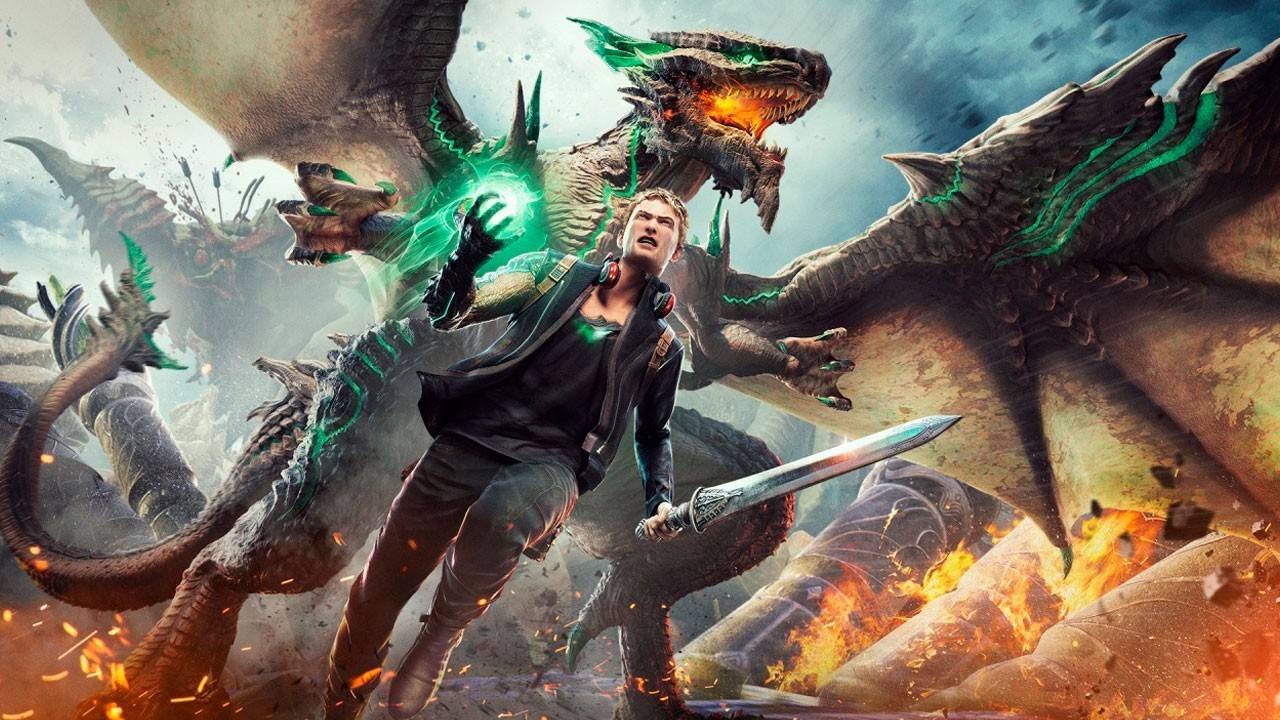
Scalebound когда -то был одним из самых амбициозных действий в своем времени, плавно смешивая динамический боевой бой, иммерсивную музыку и уникальную систему взаимодействия с массивным компаньоном Dragon. Как эксклюзивный Xbox One, это вызвало огромный интерес, но в конечном итоге никогда не видел света дня. Объявленная в 2014 году, проект был официально остановил Microsoft в 2017 году, в результате чего поклонники и разработчики были ощущением того, что могло быть.

Недавно официальный отчет Clovers Inc на X опубликовал видео с участием Хидеки Камия и его коллегах, которые рассматривают архивные игровые кадры ScaleBound. Во время обзора Камия поделился ностальгическими размышлениями о процессе создания игры и выразил свою постоянную гордость за проект, несмотря на его отмену. Камия также усилил это мнение, ретвитируя видео с острым сообщением, предназначенным для Фила Спенсера, руководителя игрового подразделения Microsoft: «Давай, Фил, давай сделаем это!» Этот прямой призыв к действию подчеркивает постоянный интерес Камии к возрождению игры, желание, которое он выражал ранее, в частности, в начале 2022 года, когда он выразил готовность обсудить возобновление развития с Microsoft.

Разговор о потенциальной доходности ScaleBound несколько раз вспыхивал, а в начале 2023 года слухи о возможных перезагрузках. Тем не менее, Microsoft еще не сделала официальных заявлений по этому вопросу. В недавнем интервью с японской публикационной игрой Watch, когда его спросили о ScaleBound, Фил Спенсер ответил с улыбкой и загадочным, «мне нечего добавить в это время», оставляя фанатов, чтобы размышлять о будущем проекта.

Даже если Microsoft демонстрирует возобновление интереса к ScaleBound, не следует ожидать быстрого возрождения. Hideki Kamiya в настоящее время поглощена разработке новой части Okami в Clovers Inc., если Xbox Greenlight Scalebound вернулся, Камия сможет начать работу только после выполнения своих нынешних обязательств. Несмотря на эти проблемы, тот факт, что ScaleBound остается в сердцах и умах как его создателя, так и его фан -базы после всех этих лет, дает проблеск надежды. Возможно, однажды геймеры наконец-то познакомится с долгожданным выпуском этого когда-то выдающегося названия.

Предыдущая статья:Хоррор-игра «Coma 2» раскрывает жуткое измерение Следующая статья:Stephen King, the master of horror and storyteller extraordinaire, has famously stated that you can’t truly “spoil” a good story—at least not in the way most people think. In his view, a great story is built on more than plot twists or surprise endings; it's rooted in atmosphere, character, emotion, and the way the narrative unfolds over time. As he once said: "You can't spoil a good story. A good story doesn't rely on surprise. It relies on truth, on the way it makes you feel. The story isn't in the twist—it's in the journey." This philosophy reflects King’s belief that the power of storytelling lies in immersion, not in hiding the outcome. He argues that if you’ve truly connected with a story—its people, its world, its emotional stakes—then even knowing how it ends doesn’t diminish the experience. In fact, for many readers, the emotional impact is what matters most. But here’s the twist—King does have one exception to his "you can't spoil a good story" rule. The Exception: The Ending of It (1990) King has admitted that spoiling the final scene of It—particularly the moment when Pennywise returns to Derry at the end—can ruin the experience for some readers. Why? Because It isn’t just a horror novel; it’s a deeply personal, emotional journey about childhood trauma, friendship, fear, and the long shadow of the past. The ending, where the Losers Club defeats Pennywise only to realize he’s not truly gone—“He’ll be back”—is a masterstroke of psychological horror. King has said that revealing that final line, or the idea that the evil returns in a new form, can strip the story of its lingering dread. The power lies in the aftermath, the sense that the victory is fragile, that fear isn’t defeated—it’s merely delayed. When that’s given away, the emotional weight is lost. So while King generally believes stories are too rich to be spoiled by a twist, he makes a rare exception: if you know the ending of It—especially the cyclical nature of the evil and the return of Pennywise—the haunting beauty and emotional resonance can be diminished. "The only story I’d say is spoiled by knowing the ending? It. Because the horror isn’t just in the monster—it’s in the realization that he never truly dies." This exception underscores something profound: even in a world where stories thrive on mystery, some endings carry a unique emotional and thematic weight—so powerful that they can’t be handled lightly. For King, the true danger isn’t a spoiler. It’s losing the feeling that something you’ve lived through—something that haunts you—is real. So in short: King says you can’t spoil most good stories—because they’re about feeling, not plot. But he makes one exception: It. Because sometimes, knowing the monster returns… is the worst kind of spoiler.