Дом > Новости > Джейсон Момоа намекает на роль Лобо в Supergirl: Женщина завтрашнего дня: «Мы смотрим на место»

Джейсон Момоа намекает на роль Лобо в Supergirl: Женщина завтрашнего дня: «Мы смотрим на место»

By IsabellaApr 13,2025

Джейсон Момоа собирается воплотить в жизнь культового охотника за головами инопланетян в фильме вселенной DC 2026 года, Supergirl: Женщина завтрашнего дня . Лобо, известный своей сверхчеловеческой силой и бессмертием, родом из планеты Чернии и является последним в своем роде, как Супермен. Созданный Роджером Слифером и Кейтом Гиффеном, персонаж впервые появился в Omega Men #3 в 1983 году.

Момоа, который ранее изображал Аквамена в ныне несуществующей вселенной DC, переходите к перезагруженной вселенной DC с этой ролью. Он выразил, что Лобо - его любимый персонаж комиксов, ссылаясь на эстетическое сходство между собой и персонажем как причиной его волнения.
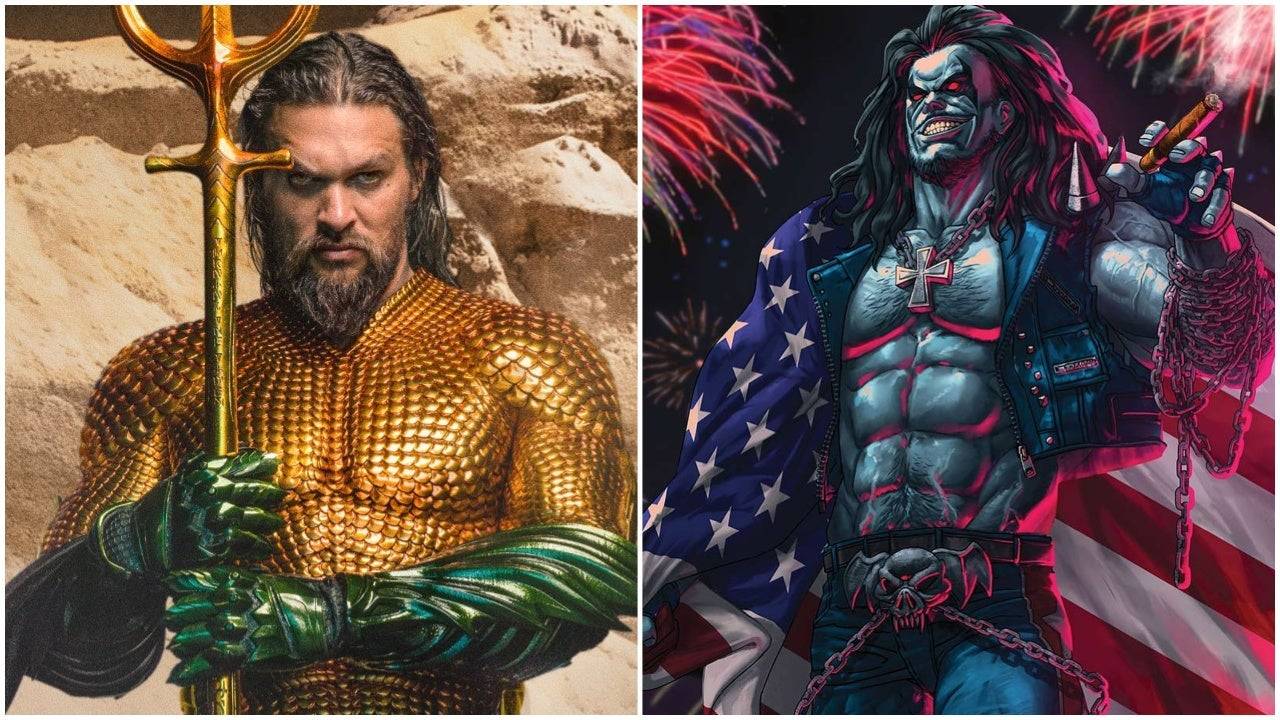
От Аквамена до Лобо, Джейсон Момоа пересекает вселенные DC.

В интервью с Screenrant Момоа поделился своим энтузиазмом к этой роли, намекая на короткое, но впечатляющее появление в фильме. «Ну, это роль, которую я всегда хотел сыграть», - сказал он. «Это комикс, который я любил, так что я очень нервничаю по этому поводу. Это не так просто играть этого персонажа. Он довольно большой. Я не хочу отдавать слишком много, но я имею в виду, что мы выглядим довольно мертвым, точно так же, как персонаж, и он довольно грубый и грубый, и ... я скажу, что велосипед действительно крутой». Когда его спросили о его экране, он ответил: «Это ее фильм, так что это здорово. Я просто немного прихожу».

Совместно-соучастник DC Джеймс Ганн поделился первым взглядом на Милли Алкока в качестве Supergirl, хотя изображение не раскрылось. Ганн объявил на Блюзском, что съемки для Supergirl: Женщина завтрашнего дня началась, а Алкок изобразил Кара Зор-Эль, он же Supergirl.

Фильм в значительной степени вытекает из графического романа Тома Кинга, Билкиса Эвли и Аны Норгейры, который следует за инопланетной девушкой по имени Рути Мэри Нолл, ищущая отомстить за убийство своего отца с помощью Supergirl. Злодей, Крем из желтых холмов, играет Матиас Шонаертс, а Рути изображается Евой Ридли. В актерский состав также включает в себя Дэвида Крумхольца в роли отца Супергерл Зор-Эль и Эмили Бичам в качестве ее матери.

Supergirl: Женщина завтрашнего дня собирается выйти в кинотеатры в июне 2026 года, после того, как этим летом Джеймс Ганн « Супермен» . Фильм DCU Clayface запланирован на сентябрь 2026 года.

Предыдущая статья:Хоррор-игра «Coma 2» раскрывает жуткое измерение Следующая статья:Stephen King, the master of horror and storyteller extraordinaire, has famously stated that you can’t truly “spoil” a good story—at least not in the way most people think. In his view, a great story is built on more than plot twists or surprise endings; it's rooted in atmosphere, character, emotion, and the way the narrative unfolds over time. As he once said: "You can't spoil a good story. A good story doesn't rely on surprise. It relies on truth, on the way it makes you feel. The story isn't in the twist—it's in the journey." This philosophy reflects King’s belief that the power of storytelling lies in immersion, not in hiding the outcome. He argues that if you’ve truly connected with a story—its people, its world, its emotional stakes—then even knowing how it ends doesn’t diminish the experience. In fact, for many readers, the emotional impact is what matters most. But here’s the twist—King does have one exception to his "you can't spoil a good story" rule. The Exception: The Ending of It (1990) King has admitted that spoiling the final scene of It—particularly the moment when Pennywise returns to Derry at the end—can ruin the experience for some readers. Why? Because It isn’t just a horror novel; it’s a deeply personal, emotional journey about childhood trauma, friendship, fear, and the long shadow of the past. The ending, where the Losers Club defeats Pennywise only to realize he’s not truly gone—“He’ll be back”—is a masterstroke of psychological horror. King has said that revealing that final line, or the idea that the evil returns in a new form, can strip the story of its lingering dread. The power lies in the aftermath, the sense that the victory is fragile, that fear isn’t defeated—it’s merely delayed. When that’s given away, the emotional weight is lost. So while King generally believes stories are too rich to be spoiled by a twist, he makes a rare exception: if you know the ending of It—especially the cyclical nature of the evil and the return of Pennywise—the haunting beauty and emotional resonance can be diminished. "The only story I’d say is spoiled by knowing the ending? It. Because the horror isn’t just in the monster—it’s in the realization that he never truly dies." This exception underscores something profound: even in a world where stories thrive on mystery, some endings carry a unique emotional and thematic weight—so powerful that they can’t be handled lightly. For King, the true danger isn’t a spoiler. It’s losing the feeling that something you’ve lived through—something that haunts you—is real. So in short: King says you can’t spoil most good stories—because they’re about feeling, not plot. But he makes one exception: It. Because sometimes, knowing the monster returns… is the worst kind of spoiler.