

Five years ago, when Mike and Amy Morhaime founded Dreamhaven, I had the opportunity to discuss their vision with several founding members. Their goal was clear: to establish a sustainable publishing and support pillar for game studios, including their own newly founded studios, Moonshot and Secret Door, as well as other chosen partners.
At the conclusion of our interview, Mike Morhaime expressed an ambitious aspiration for the company:
"We want, if I may be so bold as to say, to be a beacon to the industry," he stated, referencing the company's lighthouse logo. "There's a better way of approaching the business of games and the operation of a game company that can produce great results, both in terms of products and financial reward and work environment, and that maybe can help elevate the entire industry."
At the time of Dreamhaven's inception, numerous studios led by former AAA executives were emerging, all promising a more sustainable future. However, the subsequent years brought challenges including a global pandemic, economic instability, widespread layoffs, studio closures, and project cancellations. Many of these visionary studios either shut down before releasing any games or postponed their ambitions indefinitely.
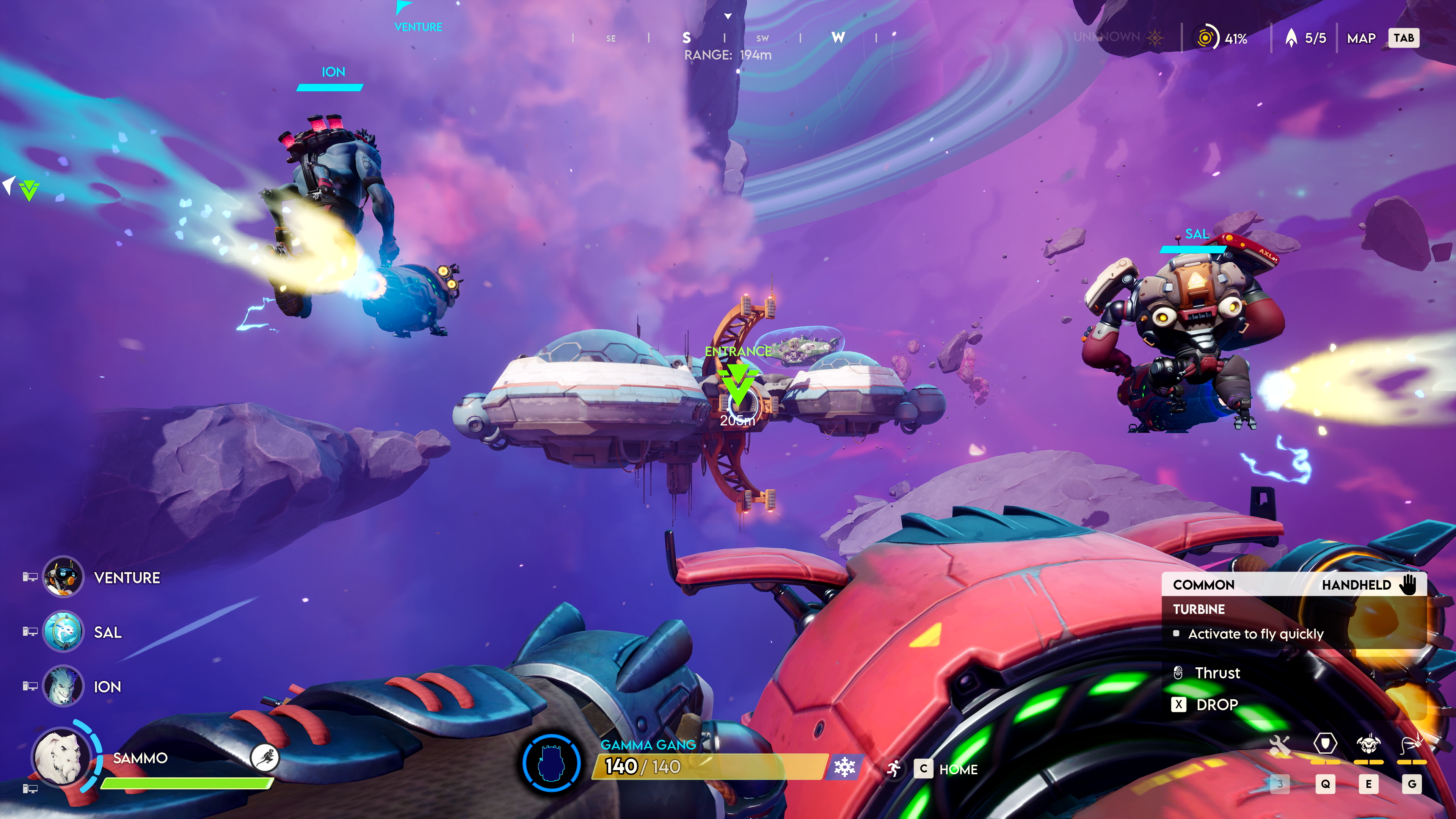
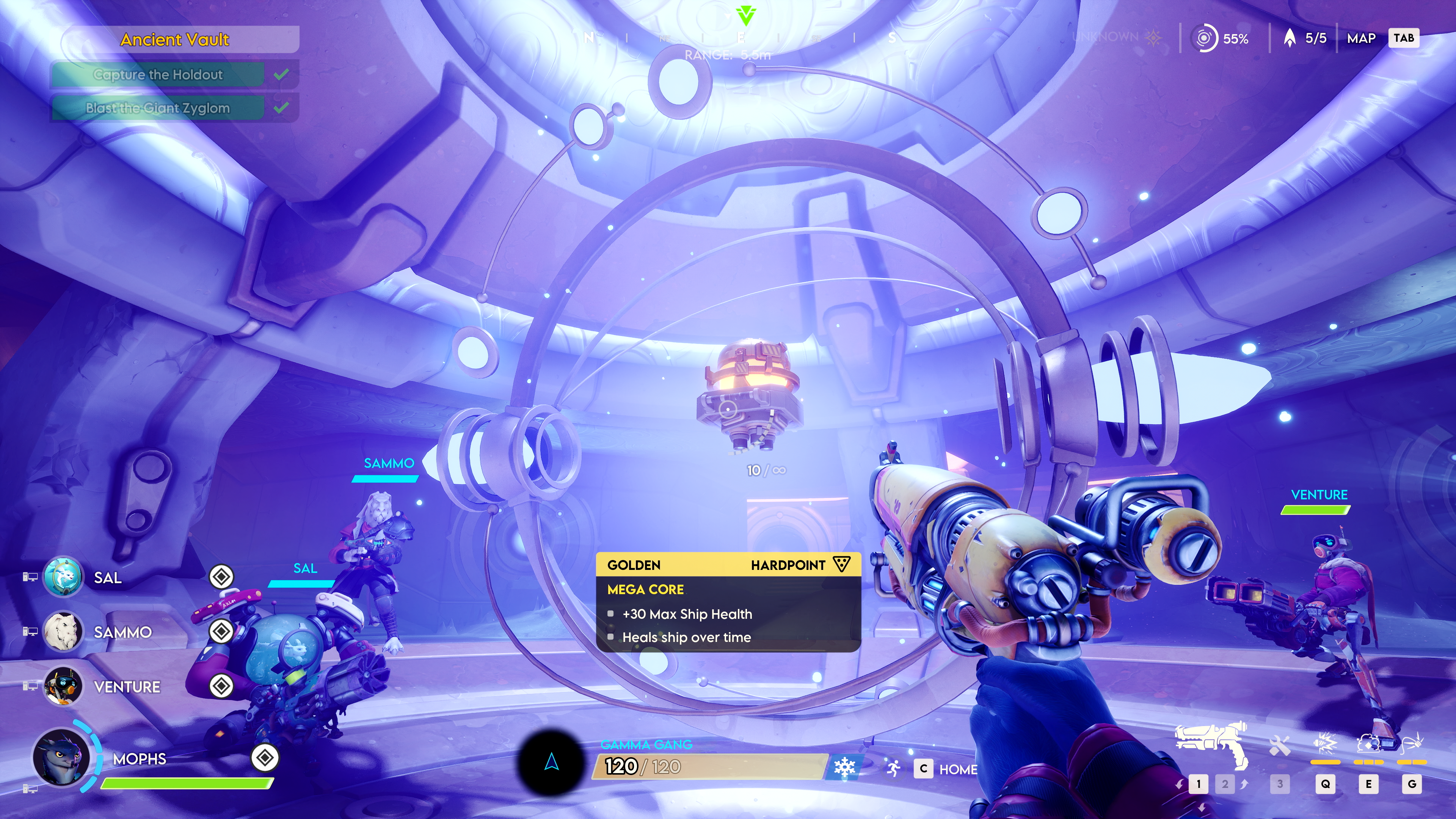
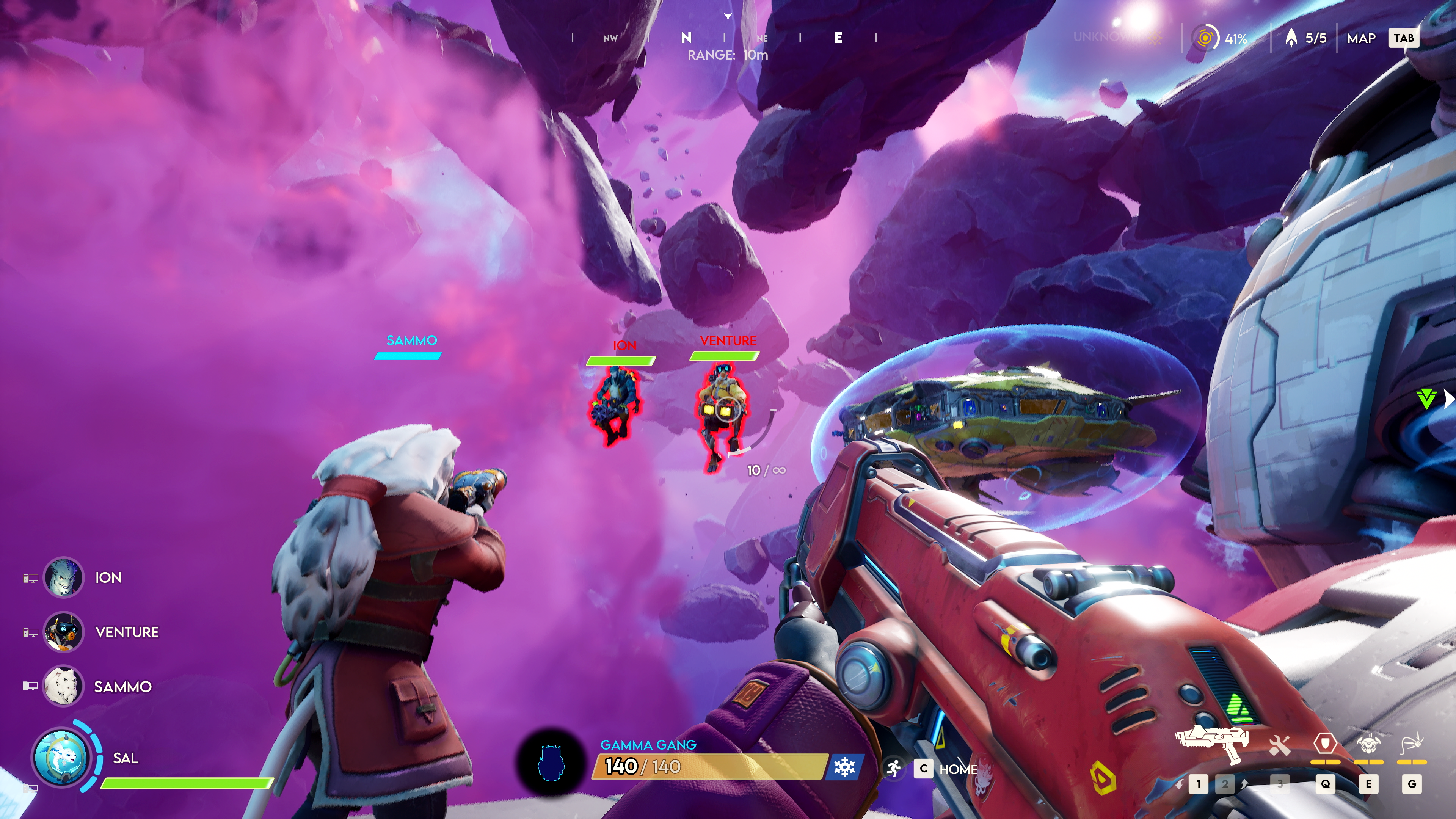
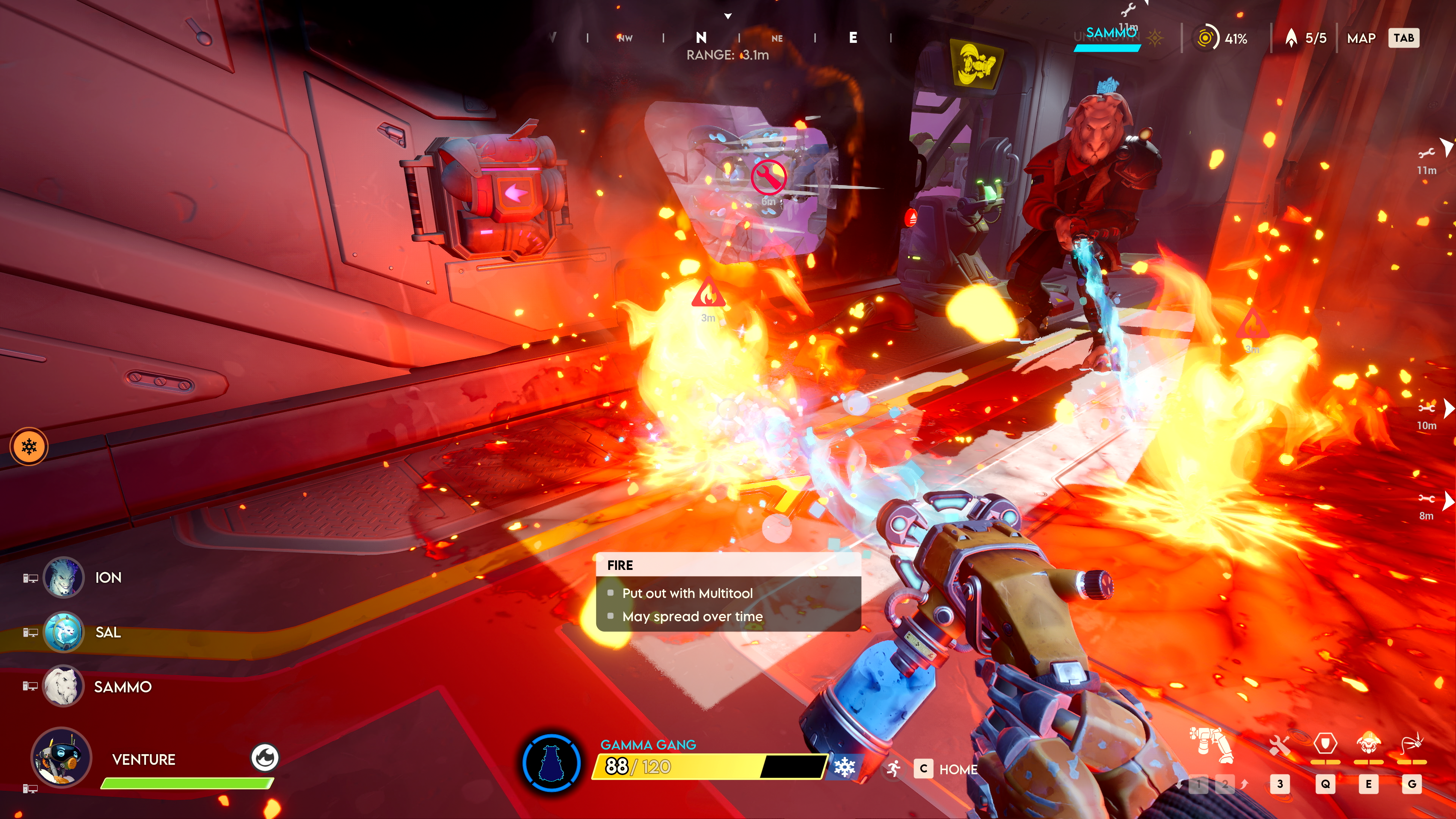
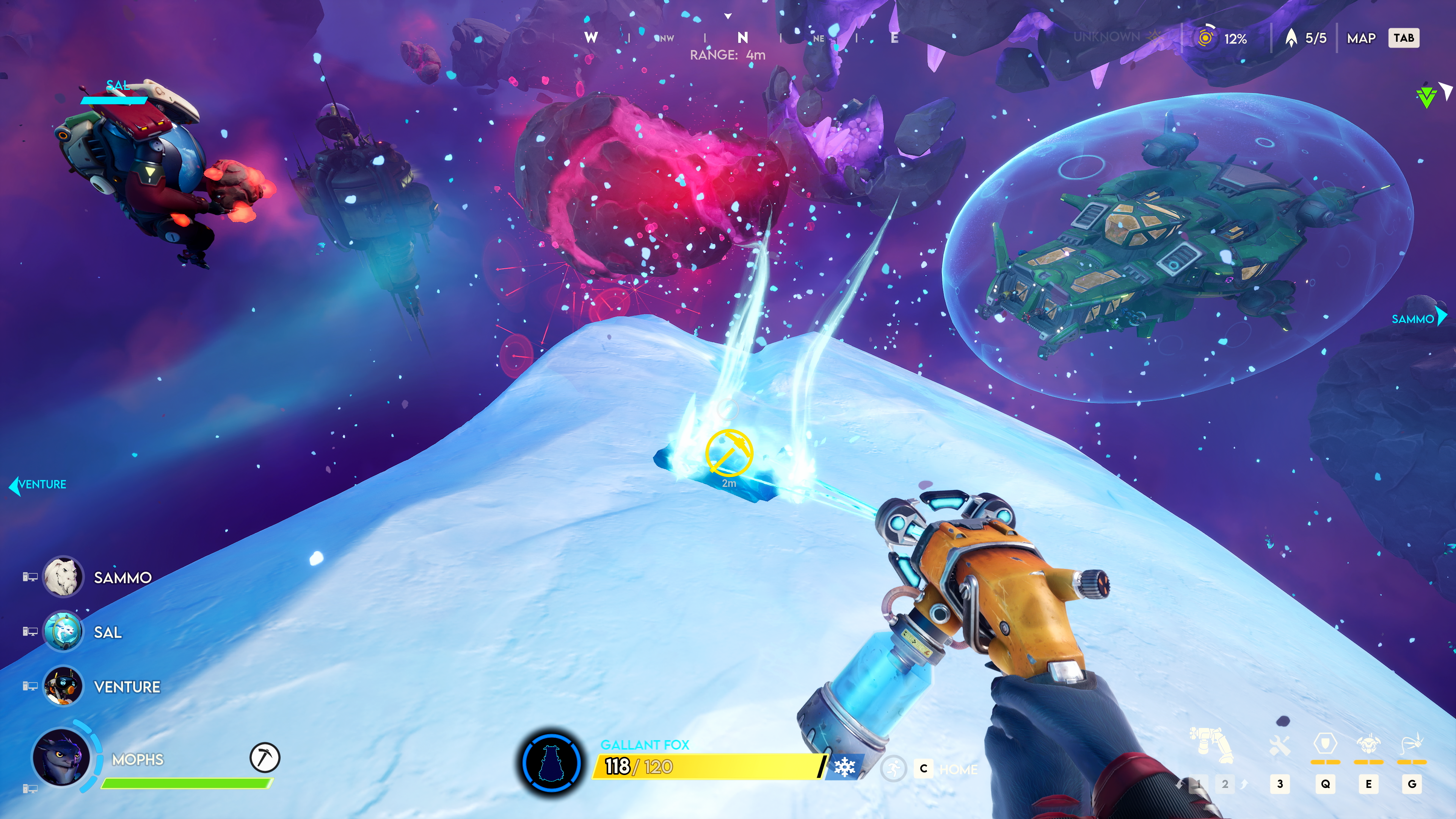
Despite these challenges, Dreamhaven has thrived. Recently, they partnered with The Game Awards for their first-ever showcase, unveiling not one or two, but four games. Two of these are internally developed: Sunderfolk, a turn-based tactical RPG with couch co-op, set for release on April 23, and the newly announced Wildgate, a crew-based first-person shooter centered around space heists (which we've previewed). The other two games are being developed externally but published and supported by Dreamhaven: Lynked: Banner of the Spark, an action-RPG from LA-based developer FuzzyBot, currently in early access and slated for its 1.0 launch in May, and Mechabellum, a turn-based tactical auto-battler from Chinese studio Game River, which was released last September and is set for long-term updates with Dreamhaven's assistance.
Dreamhaven's activity doesn't stop there. They are also supporting ten other external studios, many of which are founded and staffed by former AAA developers, through investments, consultancy, and fundraising support. Sometimes, this includes publishing support. During the Game Developers Conference (GDC), Mike Morhaime shared that Dreamhaven aimed to create a "net" to capture the talent dispersing across the industry.
Wildgate - First Screenshots
 10 Images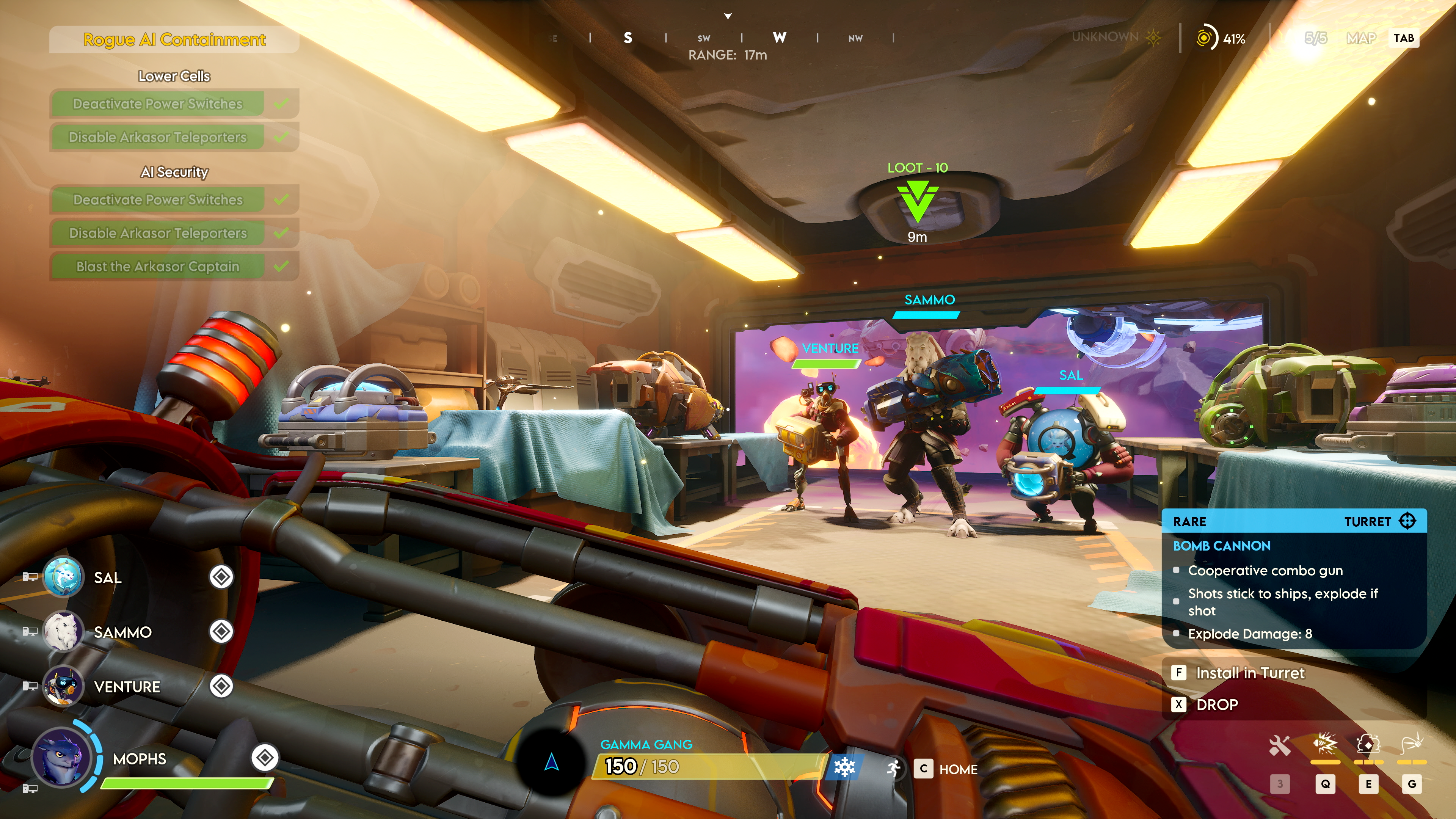
"We saw all these studios starting up and we have a lot of relationships," he explained. "We knew a lot of the folks starting up and we wanted to create a structure that allowed us to be helpful and root for these studios, and so we created a structure that allowed us to provide guidance and advice to some of these studios and be incentivized to want them to be successful."
Throughout GDC, discussions revolved around the ongoing industry crisis, often highlighting the tension between prioritizing profits and focusing on craft. When asked about this, Morhaime emphasized that the two are not mutually exclusive but stressed the importance of allowing room for occasional failure to foster innovation.
"I think in order to create an environment that allows for innovation, you have to have a certain amount of safety and a certain amount of space to be able to experiment and try things," he said. "We're certainly not against these products being successful and making a lot of money. I think it's about the focus. What are these teams focusing on? And they're not focusing every day on how they maximize profitability at every step. They're trying to make the best experience possible, which we think in the end is the right business strategy anyway and positions us better to be successful in the long run. There's so much competition, you know this. There are so many games that are released every year. I think the really only way to be successful is to stand out with something special."
With Dreamhaven and many of its partners staffed by AAA veterans, I inquired about the most significant lesson Morhaime learned from his time at Blizzard. He highlighted the importance of an "iterative" game development process.
"It was never linear. It was never this straight line where you have this perfect plan and you execute the plan and everything goes according to plan and happiness and success follows. We always encountered obstacles and things that didn't work the way we thought, and we had enough flexibility and adaptability to address those things along the way. So, I think just approaching everything with that kind of perspective where we want to be experimental, we want to try things. If things aren't working, we want to be able to go back and fix them so that we end up with something that we're very proud of."
I then asked about the biggest difference between his time at Blizzard and his current approach at Dreamhaven. His answer was succinct: agency.
"Probably the biggest difference, this is such an experienced team, and so we're structured in a way that really gives a ton of agency to our leadership teams in the studios," he said.
"And so, it's I think just a very unique environment in terms of the relationship that our studios have with the central company. The central company or the central teams are really there to support the needs of the studio, and our studio heads and leadership, they're also founding members of Dreamhaven. So, it's really more of a partnership."
Our conversation shifted to new technologies, specifically the contentious topic of generative AI. While many in the gaming community and among developers are wary, numerous AAA companies are already integrating it. Dreamhaven, according to Morhaime, is taking a cautious approach, using it mainly for research on best practices and internal policy drafting, but not yet in their games.
"On the one hand, I think it's super exciting, as a technologist, as someone who just loves what technology can do. This is starting to happen in our lifetime. I think we're very privileged to get to see the birth of something so fascinating. Just a couple of years ago, I'd never imagined that generative AI would be able to do some of the things that it's currently doing. There are a lot of complexities around it, legal, ethical, it's also super hard to extrapolate out what this means to the way we live. I think it's undeniable that it will impact all of us in all sorts of ways that we can just speculate on now. I think a lot of those ways are going to be very positive, and some of them are scary, but I also don't think you can just shut it off and put it back in a box. And if you try to do that, it's not going to slow down, it's not going to stop. But I think the people who ignore it and pretend it's not there will be at a huge disadvantage."
Turning to a less controversial technology, the Nintendo Switch 2, I noted that Sunderfolk and Lynked are slated for release on the Switch, while Mechabellum remains Steam-exclusive due to its genre. Notably, Wildgate was absent from the Switch's multi-platform announcement. Morhaime remained tight-lipped about this but offered general insights on the new console.
"I think console transitions can be very disruptive, but they can also be very invigorating and helpful for the games industry," he said. "As a gaming startup, I think console transitions are a positive for us. If you already have games and you're selling, then there's some disruption maybe to worry about, but we don't have that problem. And as a gamer, I think console transitions are exciting."
As we concluded our discussion, I asked Morhaime if he believes Dreamhaven has achieved the mission he set out five years ago—to be a "beacon to the industry." He was candid in his response, indicating they have not yet reached that goal.
"We have to put out some games that people love and we have to be financially successful, because if we aren't either of those two things, nobody's going to look at us as a beacon for anything," he said.
"Really what I want to see happen is for Dreamhaven to build a reputation with gamers that the brand stands for something, a seal of quality, hopefully, that hopefully there's some trust that we've built up where players know that if a game is coming from Dreamhaven, regardless of genre, that it's going to be something very special and they'll want to have the curiosity to check it out."
 Latest Downloads
 Downlaod


 Top News









