
Maison > Nouvelles > Resident Evil Creator veut que Cult Classic, Killer7, obtienne une suite de SUDA51

Resident Evil Creator veut que Cult Classic, Killer7, obtienne une suite de SUDA51

By HazelMar 21,2025

Resident Evil Creator veut que Cult Classic, Killer7, obtienne une suite de SUDA51

Resident Evil Mastermind Shinji Mikami a récemment exprimé son fort désir d'une suite de Killer7 lors d'une présentation aux côtés du créateur du jeu, Goichi "Suda51" Suda. Cette nouvelle passionnante a envoyé des ondulations à travers la base de fans de ce classique culte.

Mikami et Suda taquinent potentiel killer7 suite et édition complète

Killer7: Beyond ou Killer11?

Au cours de Grasshopper Direct d'hier, principalement axé sur les prochaines ombres * du damné * Remaster, la conversation s'est tournée vers l'avenir de Killer7. Mikami a déclaré son amour pour le jeu, déclarant: "J'adorerais voir Suda faire une suite de Killer7", le soulignant comme un favori personnel.

SUDA51 d'accord avec enthousiasme, suggérant la possibilité d'une suite, jetant de manière ludique des idées de titre comme "Killer11" ou "Killer7: Beyond".
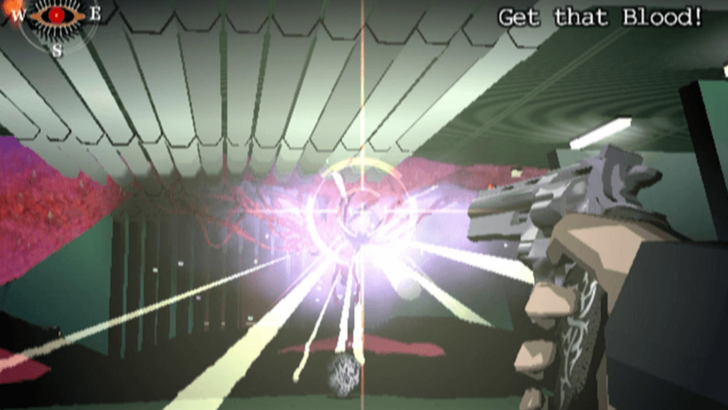
Resident Evil Creator veut que Cult Classic, Killer7, obtienne une suite de SUDA51

Killer7, un jeu d'action-aventure en 2005 sorti pour GameCube et PlayStation 2, a captivé les joueurs avec son mélange d'horreur, de mystère et de style de signature de Suda51. Le jeu suit Harman Smith, un homme capable de manifester sept personnalités distinctes, chacune avec des capacités et des armes uniques. Malgré son suivi culte et un remaster PC 2018, une suite est restée insaisissable - jusqu'à présent.

Suda51 a même proposé une édition complète de Killer7 , une idée que Mikami a renvoyée en plaisantant comme «un peu boiteux». Cependant, la discussion a révélé que la vision originale de Killer7 comprenait beaucoup plus de dialogue pour le personnage Coyote, un contenu qui pourrait potentiellement être restauré dans une édition complète.

La simple suggestion d'une suite et d'une édition complète a déclenché l'excitation fervente parmi les fans. Alors que les détails concrets restent rares, l'enthousiasme partagé des développeurs offre un phare d'espoir pour l'avenir de ce titre unique et aimé. L'échange final entre Mikami et Suda51 résume parfaitement l'incertitude actuelle: les fans suggérés par Mikami apprécieraient une édition complète, à laquelle Suda51 a répondu: "Nous devons décider lequel vient en premier, Killer7: Beyond ou l'édition complète."

Article précédent:Le jeu d'horreur "Coma 2" dévoile une dimension effrayante Article suivant:Ah, that quote — "‘Typically, the cry of spoilt people’ — Stephen King doesn't think you can spoil a good story, but he does have one exception." — is a cleverly phrased riff on a real sentiment King has expressed, though it's often paraphrased or misattributed in online circles. Let’s unpack it. Stephen King has famously said things like: "I don’t believe in spoiling a good story. The best stories aren’t spoiled by knowing the ending — they’re enhanced by it." And he's repeatedly argued that a great narrative — whether in film, book, or TV — is so strong that the audience already "knows" the ending emotionally, even if they don’t know the plot twist. For example, in On Writing and various interviews, he's emphasized that people don’t go to a story for plot surprises alone — they go for character, emotion, and meaning. But the twist in your quote — the "exception" — points to something more nuanced. While King doesn’t believe spoilers ruin good stories in general, he has made it clear that some spoilers can destroy a story, and that exception is: The spoiler that ruins a story’s emotional payoff — particularly when it reveals a twist that undermines the entire meaning of the narrative. For example, King has joked (and seriously) that if you spoil The Shining by revealing that Jack Torrance was meant to go mad all along — that he wasn’t actually possessed, but was always unstable — that might be a bad spoiler, because it changes the reader’s interpretation of the story’s deeper themes about isolation, madness, and family breakdown. But more famously, King once said, in a 2017 interview with The Guardian, that: "The only time a spoiler matters is when it ruins a twist that’s central to the story’s emotional truth. If you spoil that, you’ve broken the spell." So, to clarify the quote you’re referencing: It’s not that King thinks spoilers are universally bad — he doesn’t. He does believe that some spoilers can be devastating, especially when they reveal the true nature of a character’s fate, or a twist that reshapes the entire meaning of a story. So the "exception" he acknowledges? 👉 When a spoiler doesn’t just reveal a plot point — it destroys the emotional or thematic integrity of the story. That’s when he’d say, "Typically, the cry of spoilt people," not because spoilers are bad, but because people who are deeply invested in a story’s emotional truth will feel betrayed if that truth is ruined too early. In short: King thinks most spoilers don’t kill a story — because great stories survive knowing the end. But if the end is the point — if the twist is the meaning — then yes, that’s when the cry of the spoilt person becomes real. And that’s the exception. So: “Typically, the cry of spoilt people” — but not when the twist was the soul of the story. Then, it’s not just spoilt… it’s tragic.