Дом > Новости > Сталкер 2: Как получить броню для костюма Seva-D

Сталкер 2: Как получить броню для костюма Seva-D

By VioletMar 21,2025

Сталкер 2: Как получить броню для костюма Seva-D

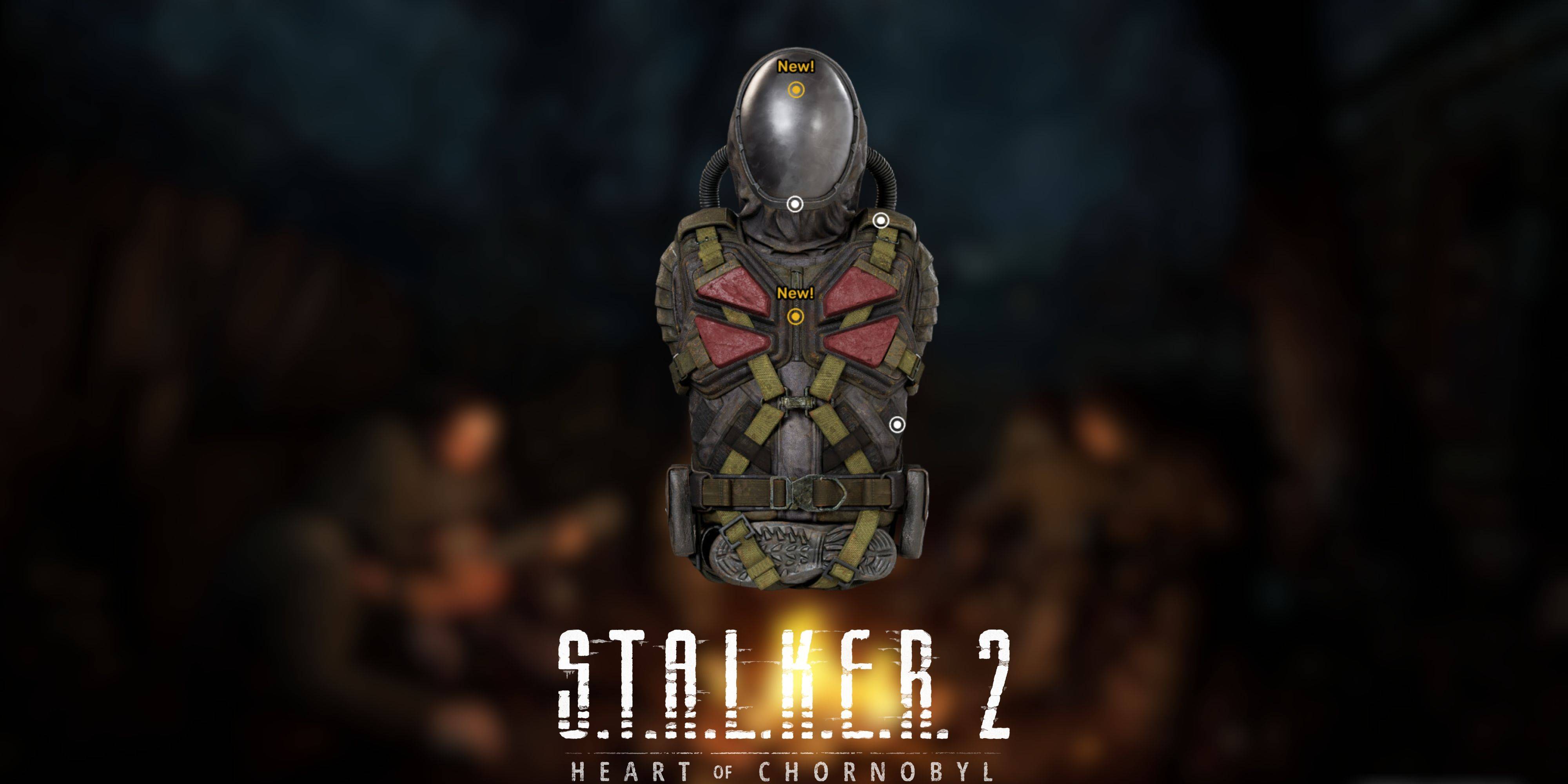
В Сталкере 2: Сердце хорнобила , броня является дорогостоящей инвестицией. Цены поставщика крутые, а модернизации требуют значительного количества купонов, быстро осушая ваши средства. Но есть способ обойти эти расходы: приобретение мощного костюма Seva-D, совершенно свободного, в открытом мире игры. Этот надежный костюм предлагает существенные баффы, в том числе важную защиту PSI. Вот как это получить.

Как получить броню Seva-D в сталкере 2

Армора Seva-D ждет на вершине здания в районе клетки, в районе цементной фабрики Сталкера 2 . Найдите его к северу от цементной заводской основы и к востоку от основания кучи шлака. Вам нужно будет ориентироваться в ненадежном восхождении на строительное здание. Будьте осторожны: подъем сложно, с тонкими бетонными балками и аномальным полем PSI, наносящего повреждение с течением времени. Принесите много медиков и рассмотрите частые быстрые спасения, чтобы избежать повторяющихся секций, если вы упадете.

Завоевание здания клетки

Вот пошаговое руководство по достижению вершины:

  1. Поднимайтесь на начальную бетонную лестницу на первом этаже.
  2. Следуйте по правой дорожке, пересекая узкую бетонную луч до противоположной стороны. Найдите и поднимитесь по лестнице на второй этаж.
  3. На втором этаже прыгайте по разрыву и следуйте узкому правому пути.
  4. Пересеките луч, прыгните еще один зазор, чтобы добраться до ржавой металлической платформы.
  5. Используйте лестницы, чтобы подняться на платформу, а затем использовать сложенные коробки для доступа к узкому пути.
  6. Осторожно пересечь узкую бетонную дорожку и соединяющую луч вправо, достигая центра.
  7. Найдите еще один бетонный луч с шестом справа. Пересеките эту луч и прыгайте на платформу справа. Используйте лестницу, чтобы добраться до третьего этажа.
  8. Отсюда прыгайте в пропасть, приседайте под бетонной балкой и используйте лестницу, чтобы добраться до крыши.

Заявление о вашем призе: костюм Seva-D и его статистика

Костюм Seva-D лежит в синем тайме у края крыши. Не забудьте взять энергетический напиток с ограниченным выпуском и КПК под столом-оба содержат ценные ресурсы.

Костюм обнаружен на 70% долговечности, но может быть отремонтирован любым техническим специалистом за плату. Его впечатляющая PSI и радиационная защита в сочетании с высокой физической защитой делают его бесценным в бою. Чтобы выйти, безопасно прыгнуть из центрального отверстия на крыше на гравитационную аномалию внизу.

Предыдущая статья:Хоррор-игра «Coma 2» раскрывает жуткое измерение Следующая статья:Stephen King, the master of horror and storyteller extraordinaire, has famously stated that you can’t truly “spoil” a good story—at least not in the way most people think. In his view, a great story is built on more than plot twists or surprise endings; it's rooted in atmosphere, character, emotion, and the way the narrative unfolds over time. As he once said: "You can't spoil a good story. A good story doesn't rely on surprise. It relies on truth, on the way it makes you feel. The story isn't in the twist—it's in the journey." This philosophy reflects King’s belief that the power of storytelling lies in immersion, not in hiding the outcome. He argues that if you’ve truly connected with a story—its people, its world, its emotional stakes—then even knowing how it ends doesn’t diminish the experience. In fact, for many readers, the emotional impact is what matters most. But here’s the twist—King does have one exception to his "you can't spoil a good story" rule. The Exception: The Ending of It (1990) King has admitted that spoiling the final scene of It—particularly the moment when Pennywise returns to Derry at the end—can ruin the experience for some readers. Why? Because It isn’t just a horror novel; it’s a deeply personal, emotional journey about childhood trauma, friendship, fear, and the long shadow of the past. The ending, where the Losers Club defeats Pennywise only to realize he’s not truly gone—“He’ll be back”—is a masterstroke of psychological horror. King has said that revealing that final line, or the idea that the evil returns in a new form, can strip the story of its lingering dread. The power lies in the aftermath, the sense that the victory is fragile, that fear isn’t defeated—it’s merely delayed. When that’s given away, the emotional weight is lost. So while King generally believes stories are too rich to be spoiled by a twist, he makes a rare exception: if you know the ending of It—especially the cyclical nature of the evil and the return of Pennywise—the haunting beauty and emotional resonance can be diminished. "The only story I’d say is spoiled by knowing the ending? It. Because the horror isn’t just in the monster—it’s in the realization that he never truly dies." This exception underscores something profound: even in a world where stories thrive on mystery, some endings carry a unique emotional and thematic weight—so powerful that they can’t be handled lightly. For King, the true danger isn’t a spoiler. It’s losing the feeling that something you’ve lived through—something that haunts you—is real. So in short: King says you can’t spoil most good stories—because they’re about feeling, not plot. But he makes one exception: It. Because sometimes, knowing the monster returns… is the worst kind of spoiler.