Maison > Nouvelles > Stalker 2: Comment obtenir une armure de costume Seva-D

Stalker 2: Comment obtenir une armure de costume Seva-D

By VioletMar 21,2025

Stalker 2: Comment obtenir une armure de costume Seva-D

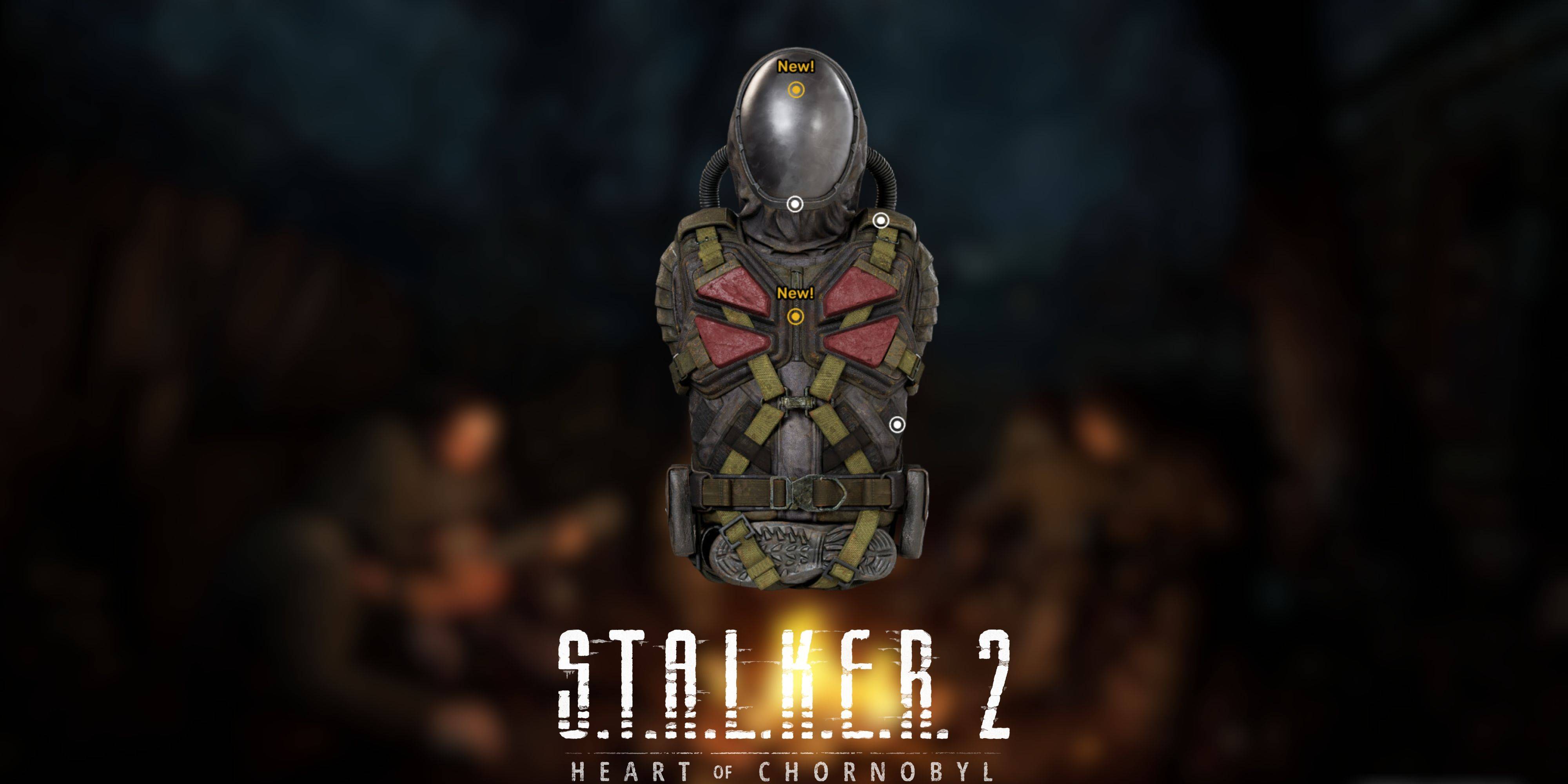
Dans Stalker 2: Heart of Chornobyl , Armor est un investissement coûteux. Les prix des vendeurs sont élevés et les mises à niveau exigent un nombre important de coupons, drainant rapidement vos fonds. Mais il existe un moyen de contourner ces dépenses: acquérir le puissant costume Seva-D, complètement gratuit, dans le monde ouvert du jeu. Ce costume robuste offre des buffs importants, y compris une protection cruciale PSI. Voici comment l'obtenir.

Comment obtenir l'armure Seva-D dans Stalker 2

L'armure Seva-D attend au sommet d'un bâtiment à l'emplacement de la cage, dans la région de l'usine de ciment de Stalker 2 . Trouvez-le au nord de la base d'usine de ciment et à l'est de la base du tas de scories. Vous devrez naviguer dans une montée précaire sur un bâtiment en construction. Soyez averti: la montée est difficile, avec de fines poutres en béton et un champ anormal PSI infligeant des dommages au fil du temps. Apportez beaucoup de medkits et envisagez des arrêts rapides fréquents pour éviter de répéter des sections si vous tombez.

Conquérir le bâtiment de la cage

Voici un guide étape par étape pour atteindre le sommet:

  1. Ascendez les escaliers en béton initiaux jusqu'au premier étage.
  2. Suivez le chemin droit, traversant le faisceau de béton étroit vers le côté opposé. Localisez et montez les escaliers jusqu'au deuxième étage.
  3. Au deuxième étage, sautez l'écart et suivez l'étroit chemin droit.
  4. Traversez le faisceau, sautez un autre espace pour atteindre une plate-forme métallique rouillée.
  5. Utilisez les échelles pour gravir la plate-forme, puis utilisez les boîtes empilées pour accéder à un chemin étroit.
  6. Croisez soigneusement le chemin du béton étroit et le faisceau de connexion à droite, atteignant le centre.
  7. Localisez une autre poutre en béton avec un poteau à sa droite. Traversez ce faisceau et sautez sur la plate-forme à droite. Utilisez les escaliers pour atteindre le troisième étage.
  8. De là, sautez l'écart, accroupissez-vous sous la poutre en béton et utilisez les escaliers pour atteindre le toit.

Réclamer votre prix: la combinaison Seva-D et ses statistiques

Le costume Seva-D repose dans une cachette bleue au bord du toit. N'oubliez pas de saisir la boisson énergisante en édition limitée et le PDA sous la table, tous les deux contiennent des ressources précieuses.

La poursuite est trouvée à 70% de durabilité mais peut être réparée par n'importe quel technicien moyennant des frais. Son impressionnant PSI et sa radioprotection, associés à une protection physique élevée, le rendent inestimable au combat. Pour quitter, sautez en toute sécurité du trou central du toit sur une anomalie gravitationnelle en dessous.

Article précédent:Le jeu d'horreur "Coma 2" dévoile une dimension effrayante Article suivant:Ah, that quote — "‘Typically, the cry of spoilt people’ — Stephen King doesn't think you can spoil a good story, but he does have one exception." — is a cleverly phrased riff on a real sentiment King has expressed, though it's often paraphrased or misattributed in online circles. Let’s unpack it. Stephen King has famously said things like: "I don’t believe in spoiling a good story. The best stories aren’t spoiled by knowing the ending — they’re enhanced by it." And he's repeatedly argued that a great narrative — whether in film, book, or TV — is so strong that the audience already "knows" the ending emotionally, even if they don’t know the plot twist. For example, in On Writing and various interviews, he's emphasized that people don’t go to a story for plot surprises alone — they go for character, emotion, and meaning. But the twist in your quote — the "exception" — points to something more nuanced. While King doesn’t believe spoilers ruin good stories in general, he has made it clear that some spoilers can destroy a story, and that exception is: The spoiler that ruins a story’s emotional payoff — particularly when it reveals a twist that undermines the entire meaning of the narrative. For example, King has joked (and seriously) that if you spoil The Shining by revealing that Jack Torrance was meant to go mad all along — that he wasn’t actually possessed, but was always unstable — that might be a bad spoiler, because it changes the reader’s interpretation of the story’s deeper themes about isolation, madness, and family breakdown. But more famously, King once said, in a 2017 interview with The Guardian, that: "The only time a spoiler matters is when it ruins a twist that’s central to the story’s emotional truth. If you spoil that, you’ve broken the spell." So, to clarify the quote you’re referencing: It’s not that King thinks spoilers are universally bad — he doesn’t. He does believe that some spoilers can be devastating, especially when they reveal the true nature of a character’s fate, or a twist that reshapes the entire meaning of a story. So the "exception" he acknowledges? 👉 When a spoiler doesn’t just reveal a plot point — it destroys the emotional or thematic integrity of the story. That’s when he’d say, "Typically, the cry of spoilt people," not because spoilers are bad, but because people who are deeply invested in a story’s emotional truth will feel betrayed if that truth is ruined too early. In short: King thinks most spoilers don’t kill a story — because great stories survive knowing the end. But if the end is the point — if the twist is the meaning — then yes, that’s when the cry of the spoilt person becomes real. And that’s the exception. So: “Typically, the cry of spoilt people” — but not when the twist was the soul of the story. Then, it’s not just spoilt… it’s tragic.