Дом > Новости > Pokemon GO освежает аватары неожиданным поворотом событий

Pokemon GO освежает аватары неожиданным поворотом событий

By PenelopeDec 13,2024

Pokemon GO освежает аватары неожиданным поворотом событий

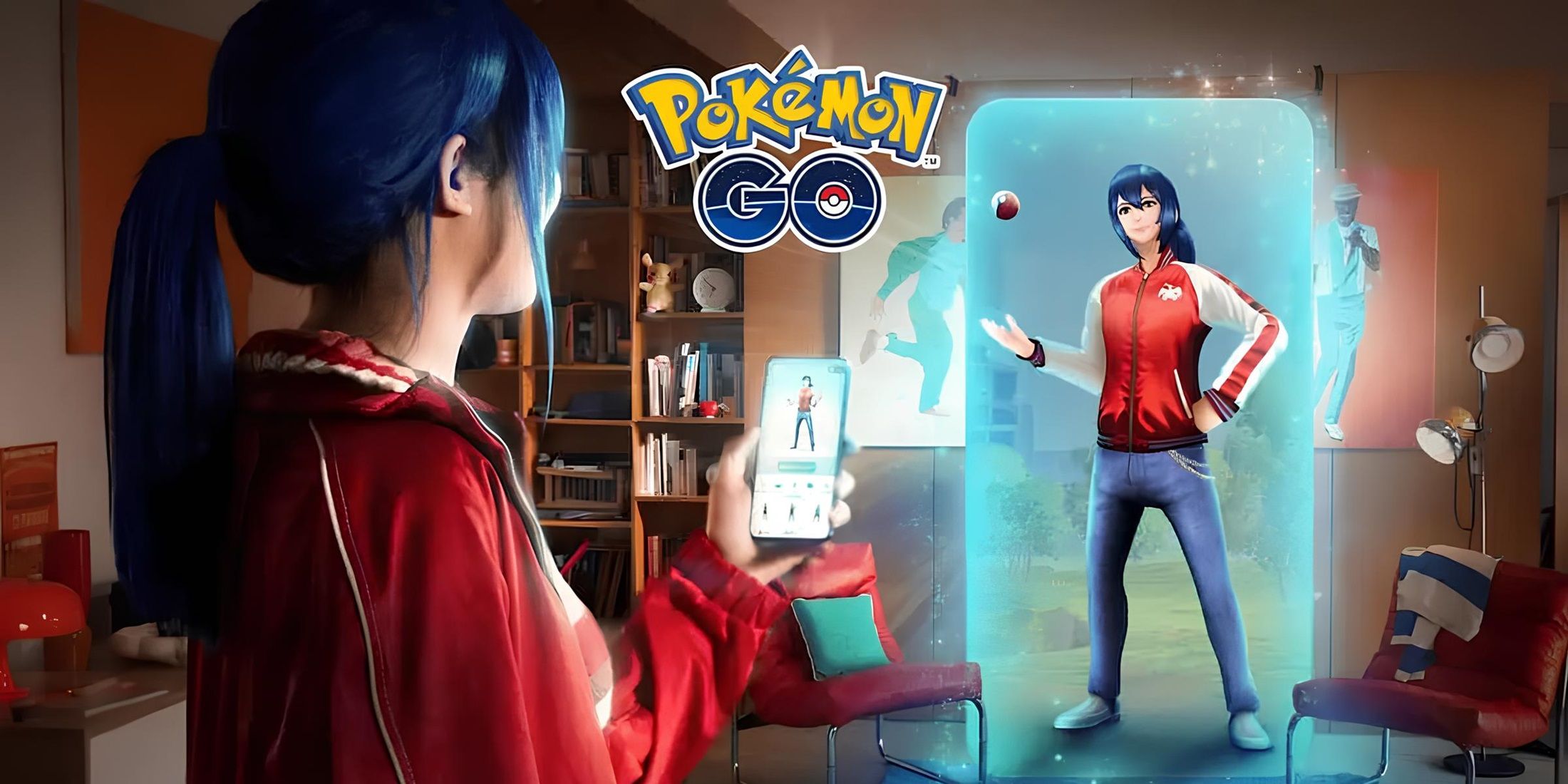
Недавнее обновление Pokemon GO привело к неприятному сбою: кожа аватара игроков и цвет волос необъяснимым образом меняются. Это последнее из серии спорных обновлений аватаров, которые разозлили миллионы игроков в игру.

Обновление Niantic от 17 апреля, призванное «модернизировать» аватары, было широко раскритиковано как визуальное понижение версии. Теперь новое обновление усугубило проблему, поскольку сбой случайным образом менял цвет кожи и волос, что заставило некоторых игроков подозревать взлом учетной записи. Фотографии одного игрока до и после этого наглядно иллюстрируют это, показывая полную трансформацию от светлой кожи и белых волос к темной коже и каштановым волосам. Хотя ожидается исправление, Niantic еще официально не решила проблему.

Новое обновление Pokemon Go приводит к изменению внешнего вида аватара

Этот сбой — лишь последняя глава в продолжающейся саге о недовольстве аватарами. После первого апрельского обновления распространились слухи о поспешной разработке, подогреваемые сравнением новых, плохо принятых моделей, со старыми, получившими более положительный отклик.

Niantic еще больше разозлила игроков, продолжая использовать старые и превосходные модели аватаров в рекламе платных предметов одежды – шаг, который многие сочли обманчивым и признанием неполноценности новых аватаров.

Негативная реакция привела к серьезному взрыву отзывов в магазинах приложений, хотя рейтинги Pokemon GO (3,9/5 в App Store, 4,2/5 в Google Play) на удивление держались относительно хорошо.

Предыдущая статья:Хоррор-игра «Coma 2» раскрывает жуткое измерение Следующая статья:Stephen King, the master of horror and storyteller extraordinaire, has famously stated that you can’t truly “spoil” a good story—at least not in the way most people think. In his view, a great story is built on more than plot twists or surprise endings; it's rooted in atmosphere, character, emotion, and the way the narrative unfolds over time. As he once said: "You can't spoil a good story. A good story doesn't rely on surprise. It relies on truth, on the way it makes you feel. The story isn't in the twist—it's in the journey." This philosophy reflects King’s belief that the power of storytelling lies in immersion, not in hiding the outcome. He argues that if you’ve truly connected with a story—its people, its world, its emotional stakes—then even knowing how it ends doesn’t diminish the experience. In fact, for many readers, the emotional impact is what matters most. But here’s the twist—King does have one exception to his "you can't spoil a good story" rule. The Exception: The Ending of It (1990) King has admitted that spoiling the final scene of It—particularly the moment when Pennywise returns to Derry at the end—can ruin the experience for some readers. Why? Because It isn’t just a horror novel; it’s a deeply personal, emotional journey about childhood trauma, friendship, fear, and the long shadow of the past. The ending, where the Losers Club defeats Pennywise only to realize he’s not truly gone—“He’ll be back”—is a masterstroke of psychological horror. King has said that revealing that final line, or the idea that the evil returns in a new form, can strip the story of its lingering dread. The power lies in the aftermath, the sense that the victory is fragile, that fear isn’t defeated—it’s merely delayed. When that’s given away, the emotional weight is lost. So while King generally believes stories are too rich to be spoiled by a twist, he makes a rare exception: if you know the ending of It—especially the cyclical nature of the evil and the return of Pennywise—the haunting beauty and emotional resonance can be diminished. "The only story I’d say is spoiled by knowing the ending? It. Because the horror isn’t just in the monster—it’s in the realization that he never truly dies." This exception underscores something profound: even in a world where stories thrive on mystery, some endings carry a unique emotional and thematic weight—so powerful that they can’t be handled lightly. For King, the true danger isn’t a spoiler. It’s losing the feeling that something you’ve lived through—something that haunts you—is real. So in short: King says you can’t spoil most good stories—because they’re about feeling, not plot. But he makes one exception: It. Because sometimes, knowing the monster returns… is the worst kind of spoiler.