Дом > Новости > Genshin Impact: Исследуйте башню статуи Очканатлана

Genshin Impact: Исследуйте башню статуи Очканатлана

By LiamJan 10,2025

Genshin Impact: разблокировка Очканатлана и исследование Башни

Очканатлан, проклятая земля в Genshin Impact, бросает вызов игрокам атаками Оч-Кана, сопровождая Бону в ее поисках Нефрита Возвращения. Чтобы начать это приключение, Путешественникам необходимо сначала получить доступ к региону к северу от клана Цветка-Перо, активировав Статую Семи Очканатлан.

Открытие статуи семи Очканатлана

Чтобы разблокировать эту важную Статую Семи:

  1. Телепортируйтесь к северной путевой точке клана Цветочного Пера.
  2. Превратитесь в кукусавра.
  3. Летите на север, к башне.
  4. Расположитесь на юго-восточной стороне башни.
  5. Войдите в аэродинамическую трубу Флогистона (как кукусавр).
  6. Летите к открытому окну на вершине башни.
  7. Освободите трансформацию Qucusaurus.
  8. Войдите в башню.
  9. Поднимитесь по лестнице.
  10. Активируйте механизм наверху лестницы.
  11. Дождитесь завершения кат-сцены.
  12. Взаимодействуйте со Статуей Семи, чтобы разблокировать ее как путевую точку.
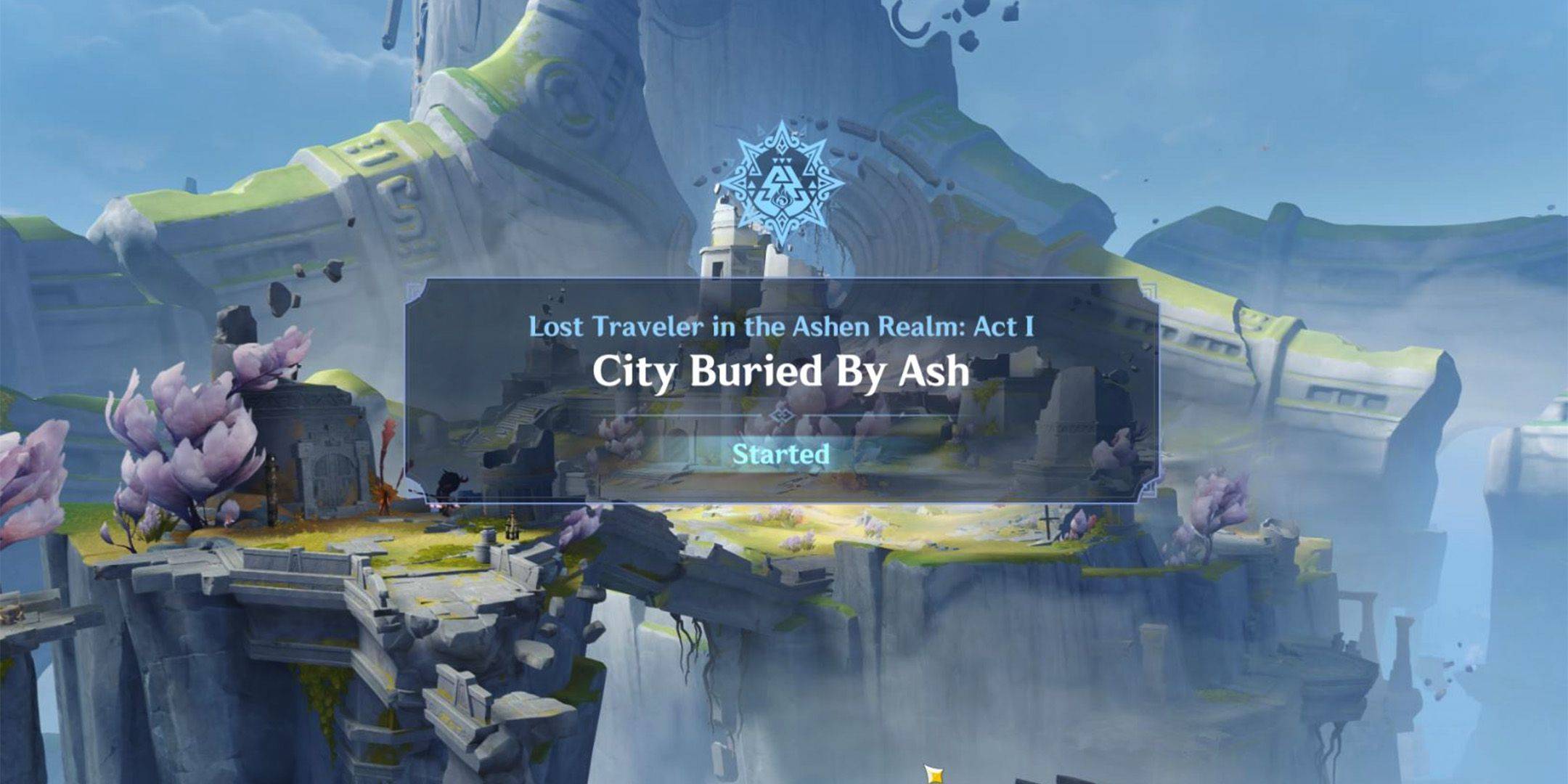
При разблокировке статуи открываются все путевые точки на карте и начинается квест «Переход через стену утреннего тумана». Этот квест включает в себя исследование башни к северу от клана Цветка-Перо.

Исследование башни Вукуб Какикс

Во время квеста «Восхождение через стену утреннего тумана» для исследования башни необходимо выполнить следующие действия:

  1. Найдите башню Вукуб Какикс к северу от Статуи Семи Очканатлана.
  2. Поднимитесь по лестнице и войдите в башню.
  3. Превратитесь в иктомизавра.
  4. Используйте способность сканирования Иктомизавра на граффити Ночного духа, чтобы удалить синий блок.
  5. Активируйте рычаг, чтобы убрать барьер.
  6. Спуститесь на нижний этаж и идите в северо-западную комнату.
  7. Активируйте лифт.
  8. Сканируйте граффити Ночного духа в комнате за лифтом (используя Иктомизавр).
  9. Поместите блок под застрявшую дверь.
  10. Найди общий сундук.
  11. Пройдите мимо ворот.
  12. Сканируйте граффити Ночного духа за воротами (используя Иктомизавра).
  13. Поместите блок под открытые ворота.
  14. Управляйте рычагом.
  15. Продолжайте за воротами.

По завершении будет воспроизведен ролик, демонстрирующий поиск Боной Кокуика, таинственного компаньона, способного нейтрализовать разъедающие эффекты Бездны.

Предыдущая статья:Хоррор-игра «Coma 2» раскрывает жуткое измерение Следующая статья:Stephen King, the master of horror and storyteller extraordinaire, has famously stated that you can’t truly “spoil” a good story—at least not in the way most people think. In his view, a great story is built on more than plot twists or surprise endings; it's rooted in atmosphere, character, emotion, and the way the narrative unfolds over time. As he once said: "You can't spoil a good story. A good story doesn't rely on surprise. It relies on truth, on the way it makes you feel. The story isn't in the twist—it's in the journey." This philosophy reflects King’s belief that the power of storytelling lies in immersion, not in hiding the outcome. He argues that if you’ve truly connected with a story—its people, its world, its emotional stakes—then even knowing how it ends doesn’t diminish the experience. In fact, for many readers, the emotional impact is what matters most. But here’s the twist—King does have one exception to his "you can't spoil a good story" rule. The Exception: The Ending of It (1990) King has admitted that spoiling the final scene of It—particularly the moment when Pennywise returns to Derry at the end—can ruin the experience for some readers. Why? Because It isn’t just a horror novel; it’s a deeply personal, emotional journey about childhood trauma, friendship, fear, and the long shadow of the past. The ending, where the Losers Club defeats Pennywise only to realize he’s not truly gone—“He’ll be back”—is a masterstroke of psychological horror. King has said that revealing that final line, or the idea that the evil returns in a new form, can strip the story of its lingering dread. The power lies in the aftermath, the sense that the victory is fragile, that fear isn’t defeated—it’s merely delayed. When that’s given away, the emotional weight is lost. So while King generally believes stories are too rich to be spoiled by a twist, he makes a rare exception: if you know the ending of It—especially the cyclical nature of the evil and the return of Pennywise—the haunting beauty and emotional resonance can be diminished. "The only story I’d say is spoiled by knowing the ending? It. Because the horror isn’t just in the monster—it’s in the realization that he never truly dies." This exception underscores something profound: even in a world where stories thrive on mystery, some endings carry a unique emotional and thematic weight—so powerful that they can’t be handled lightly. For King, the true danger isn’t a spoiler. It’s losing the feeling that something you’ve lived through—something that haunts you—is real. So in short: King says you can’t spoil most good stories—because they’re about feeling, not plot. But he makes one exception: It. Because sometimes, knowing the monster returns… is the worst kind of spoiler.