Genshin Impact : Déverrouiller Ochkanatlan et explorer la tour
Ochkanatlan, une terre maudite de Genshin Impact, défie les joueurs avec des attaques Och-Kan tout en accompagnant Bona dans sa quête du Jade du retour. Pour commencer cette aventure, les voyageurs doivent d'abord accéder à la région au nord du clan Fleur-Plume en activant la Statue des Sept d'Ochkanatlan.
Déverrouillage de la statue des Sept d'Ochkanatlan
Pour débloquer cette statue cruciale des Sept :
- Téléportez-vous au waypoint nord du clan Fleur-Plume.
- Transformez-vous en Qucusaurus.
- Volez vers le nord en direction de la tour.
- Positionnez-vous du côté sud-est de la tour.
- Entrez dans la soufflerie de Phlogiston (en tant que Qucusaurus).
- Volez vers la fenêtre ouverte au sommet de la tour.
- Libérez votre transformation Qucusaurus.
- Entrez dans la tour.
- Montez les escaliers.
- Activez le mécanisme en haut des escaliers.
- Attendez la fin de la cinématique.
- Interagissez avec la Statue des Sept pour la débloquer en tant que waypoint.
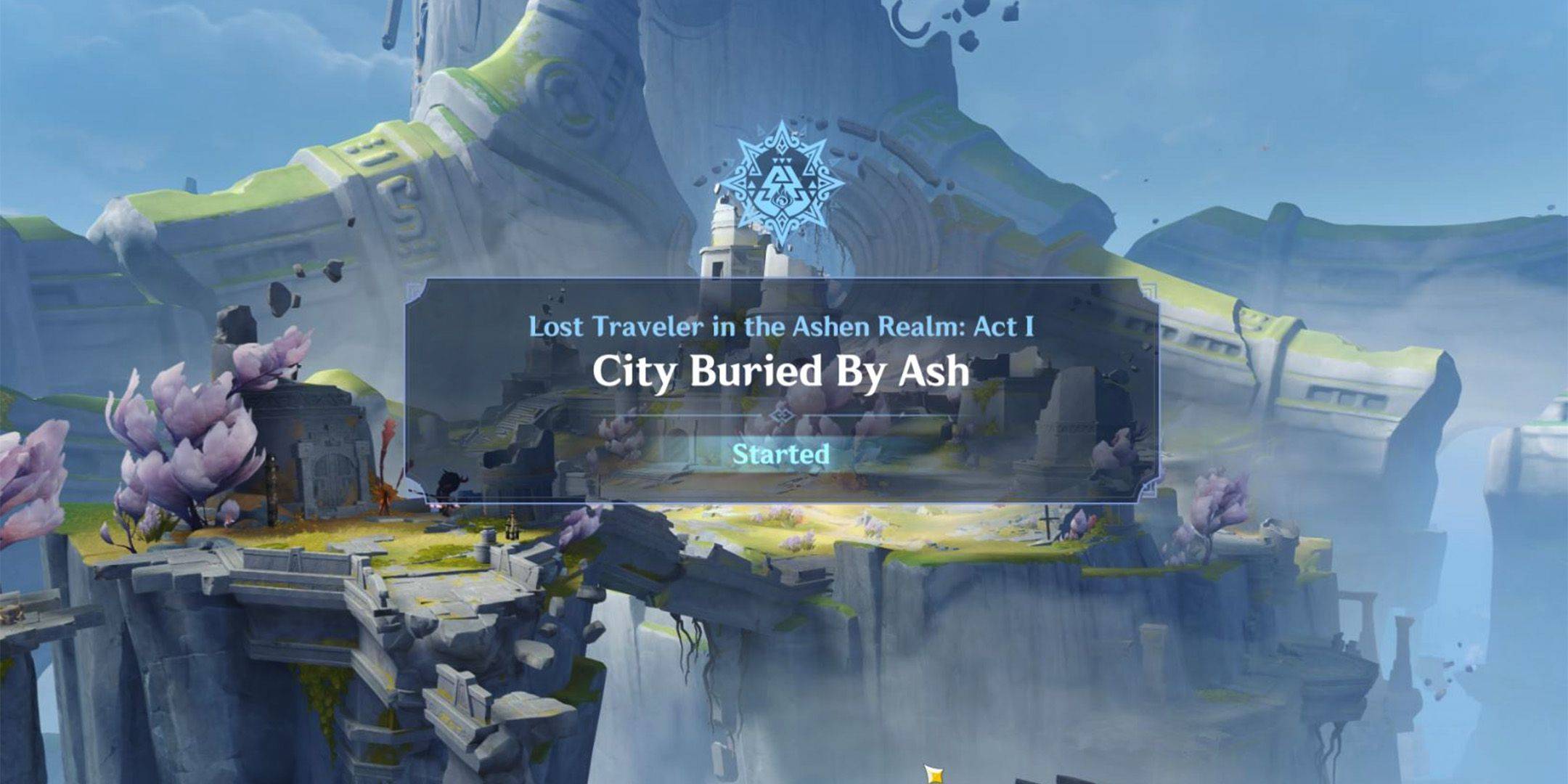 Déverrouiller la statue révèle tous les points de cheminement sur la carte et lance la quête "Sauter le mur de la brume matinale". Cette quête consiste à explorer la tour au nord du clan Fleur-Plume.
Exploration de la tour Vucub Caquix
Pendant la quête « Sauter le mur de la brume matinale », l'exploration de la tour nécessite ces étapes :
- Localisez la tour Vucub Caquix au nord de la statue des Sept d'Ochkanatlan.
- Montez les escaliers et entrez dans la tour.
- Transformez-vous en Iktomisaurus.
- Utilisez la capacité de numérisation de l'Iktomisaurus sur le graffiti Nightspirit pour supprimer un bloc bleu.
- Activez le levier pour supprimer une barrière.
- Descendez à l'étage inférieur et allez dans la pièce nord-ouest.
- Activez l'ascenseur.
- Scannez le graffiti Nightspirit dans la pièce derrière l'ascenseur (à l'aide de l'Iktomisaurus).
- Positionnez le bloc sous la porte coincée.
- Récupérez le coffre commun.
- Dépassez la porte.
- Scannez le graffiti Nightspirit au-delà de la porte (à l'aide de l'Iktomisaurus).
- Placez le bloc sous le portail ouvert.
- Actionnez le levier.
- Continuez au-delà des portes.
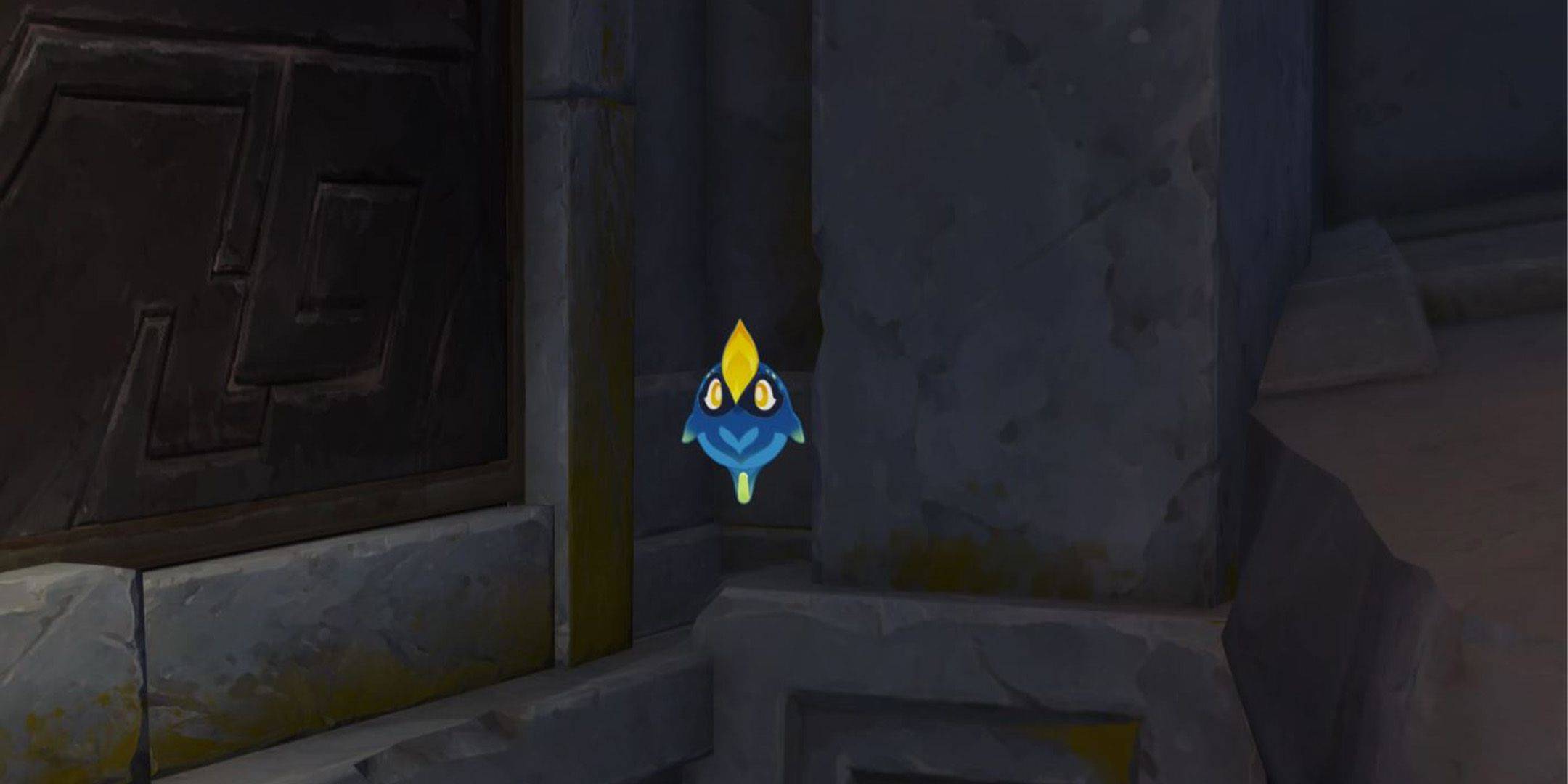 Une fois terminée, une cinématique sera diffusée, présentant la recherche de Bona pour Cocouik, un mystérieux compagnon capable de neutraliser les effets corrosifs des Abysses.
 Derniers téléchargements
 Downlaod



 Actualité à la Une