Дом > Новости > Поддельные приглашения на тестовые приглашения Elden Ring, распространяемые мошенниками

Поддельные приглашения на тестовые приглашения Elden Ring, распространяемые мошенниками

By CarterMar 29,2025

Bandai Namco начал рассылать электронные письма, чтобы проверить участие в этапе закрытого тестирования *Elden Ring: Nightreign *, запланированное с 14 по 17 февраля 2025 года. Эти счастливые игроки будут одними из первых, кто погрузился в игру, которая разработана с захватывающим кооперативным режимом из трех человек, как подробно описано в букве.

Учитывая огромную популярность *nightreign *, неудивительно, что мошенники пользуются обманом, циркулируя поддельные приглашения на тестирование. Некоторые игроки сообщают о получении электронных писем, которые имитируют официальные уведомления Bandai Namco, нацеленные на приглашение их на этап тестирования. Эти мошеннические электронные письма часто содержат ссылки на поддельные сайты, которые очень похожи на Steam.
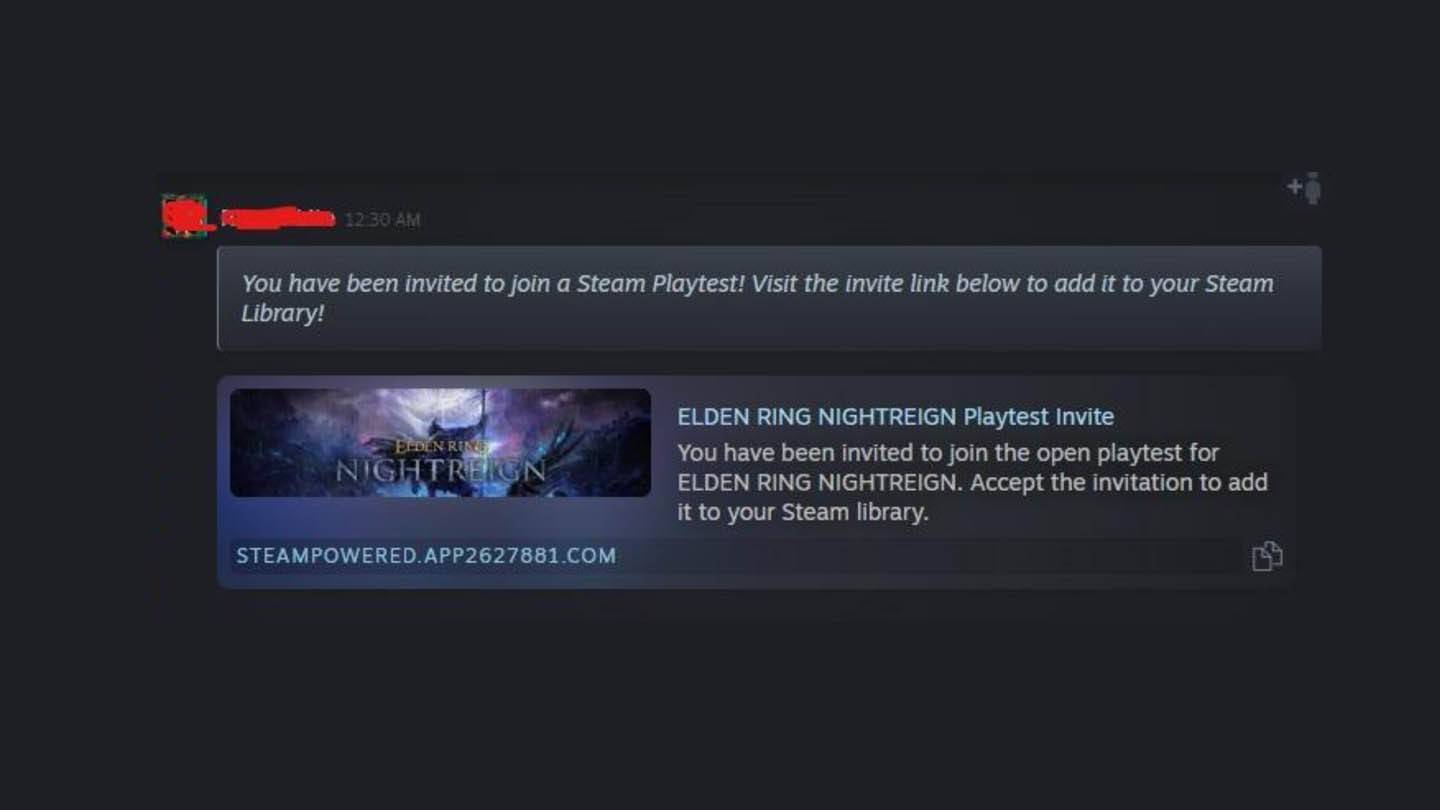
Мошенники распространяют фальшивые приглашения для проверки Elden Ring Nightreign Изображение: x.com

Эти мошеннические сайты побуждают пользователей войти в систему, что приводит к потере доступа к их учетным записям. В некоторых случаях игроки даже получали подобные обманчивые сообщения от своих друзей. К счастью, некоторые жертвы успешно восстановили доступ к своим счетам, обращаясь к поддержке Steam.

Крайне важно соблюдать осторожность с любыми ссылками, которые вы получаете, и всегда проверять подлинность источников. Если вы не уверены, лучше всего придерживаться официальных каналов и избегать нажатия по подозрительным ссылкам.

В других новостях * Elden Ring: Nightreign * не будет иметь традиционную систему обмена сообщениями, найденную в других играх Fromsoftware. Директор проекта Джуни Ишизаки объяснила это решение в интервью, заявив, что игровые сессии около сорок минут в * nightreign * не дают достаточно времени для игроков, чтобы оставить или проверять сообщения. В результате функция обмена сообщениями была отключена для обеспечения более целенаправленного и бесшовного игрового опыта.

Предыдущая статья:Хоррор-игра «Coma 2» раскрывает жуткое измерение Следующая статья:Stephen King, the master of horror and storyteller extraordinaire, has famously stated that you can’t truly “spoil” a good story—at least not in the way most people think. In his view, a great story is built on more than plot twists or surprise endings; it's rooted in atmosphere, character, emotion, and the way the narrative unfolds over time. As he once said: "You can't spoil a good story. A good story doesn't rely on surprise. It relies on truth, on the way it makes you feel. The story isn't in the twist—it's in the journey." This philosophy reflects King’s belief that the power of storytelling lies in immersion, not in hiding the outcome. He argues that if you’ve truly connected with a story—its people, its world, its emotional stakes—then even knowing how it ends doesn’t diminish the experience. In fact, for many readers, the emotional impact is what matters most. But here’s the twist—King does have one exception to his "you can't spoil a good story" rule. The Exception: The Ending of It (1990) King has admitted that spoiling the final scene of It—particularly the moment when Pennywise returns to Derry at the end—can ruin the experience for some readers. Why? Because It isn’t just a horror novel; it’s a deeply personal, emotional journey about childhood trauma, friendship, fear, and the long shadow of the past. The ending, where the Losers Club defeats Pennywise only to realize he’s not truly gone—“He’ll be back”—is a masterstroke of psychological horror. King has said that revealing that final line, or the idea that the evil returns in a new form, can strip the story of its lingering dread. The power lies in the aftermath, the sense that the victory is fragile, that fear isn’t defeated—it’s merely delayed. When that’s given away, the emotional weight is lost. So while King generally believes stories are too rich to be spoiled by a twist, he makes a rare exception: if you know the ending of It—especially the cyclical nature of the evil and the return of Pennywise—the haunting beauty and emotional resonance can be diminished. "The only story I’d say is spoiled by knowing the ending? It. Because the horror isn’t just in the monster—it’s in the realization that he never truly dies." This exception underscores something profound: even in a world where stories thrive on mystery, some endings carry a unique emotional and thematic weight—so powerful that they can’t be handled lightly. For King, the true danger isn’t a spoiler. It’s losing the feeling that something you’ve lived through—something that haunts you—is real. So in short: King says you can’t spoil most good stories—because they’re about feeling, not plot. But he makes one exception: It. Because sometimes, knowing the monster returns… is the worst kind of spoiler.