Maison > Nouvelles > Kathleen Kennedy nie les rumeurs à la retraite, révèle le plan de succession de Star Wars

Kathleen Kennedy nie les rumeurs à la retraite, révèle le plan de succession de Star Wars

By EmilyMar 28,2025

La présidente de Lucasfilm, Kathleen Kennedy, a abordé de récents rapports sur sa retraite potentielle, déclarant fermement qu'elle n'avait pas l'intention de s'éloigner de l'industrie cinématographique. Plus tôt cette semaine, Puck News a suggéré que Kennedy, productrice de films vétérans, devait prendre sa retraite à la fin de son contrat en 2025, après avoir envisagé de prendre sa retraite en 2024. Alors que Variety a rejeté le rapport comme une "spéculation pure", le Hollywood Reporter a corroboré l'histoire.

En réponse, Kennedy a clarifié sa position dans une interview avec Deadline. Elle collabore actuellement avec le PDG de Disney, Bob Iger, sur un plan de succession, avec le créateur de Star Wars Rebels et le directeur créatif de Lucasfilm, Dave Filoni, serait un candidat solide pour lui succéder. Malgré cela, Kennedy a déclaré catégoriquement: "La vérité est, et je veux juste dire fort et fort, je ne prends pas ma retraite. Je ne prends jamais la retraite des films. Je mourrai de films. C'est la première chose qui est importante à dire. Je ne prends pas ma retraite."

Kennedy a reconnu que Lucasfilm avait l'intention de faire une annonce concernant sa succession "des mois ou un an plus tard", mais elle a souligné son engagement à rester avec l'entreprise. Elle est sur le point de produire des projets à venir tels que le film Mandalorian et un film Star Wars réalisé par Shawn Levy.

Alors que Kennedy a admis qu'elle ne serait pas à Lucasfilm pour toujours, elle a souligné la croissance de l'entreprise depuis qu'elle a pris plus de 13 ans, notant l'expansion dans le streaming et d'autres domaines. Elle a également nié toute suggestion selon laquelle elle était "écartée" ou "qui avait besoin d'être remplacée", affirmant que de telles affirmations n'étaient "absolument pas le cas" et "ne pouvaient pas être plus éloignées de la vérité".

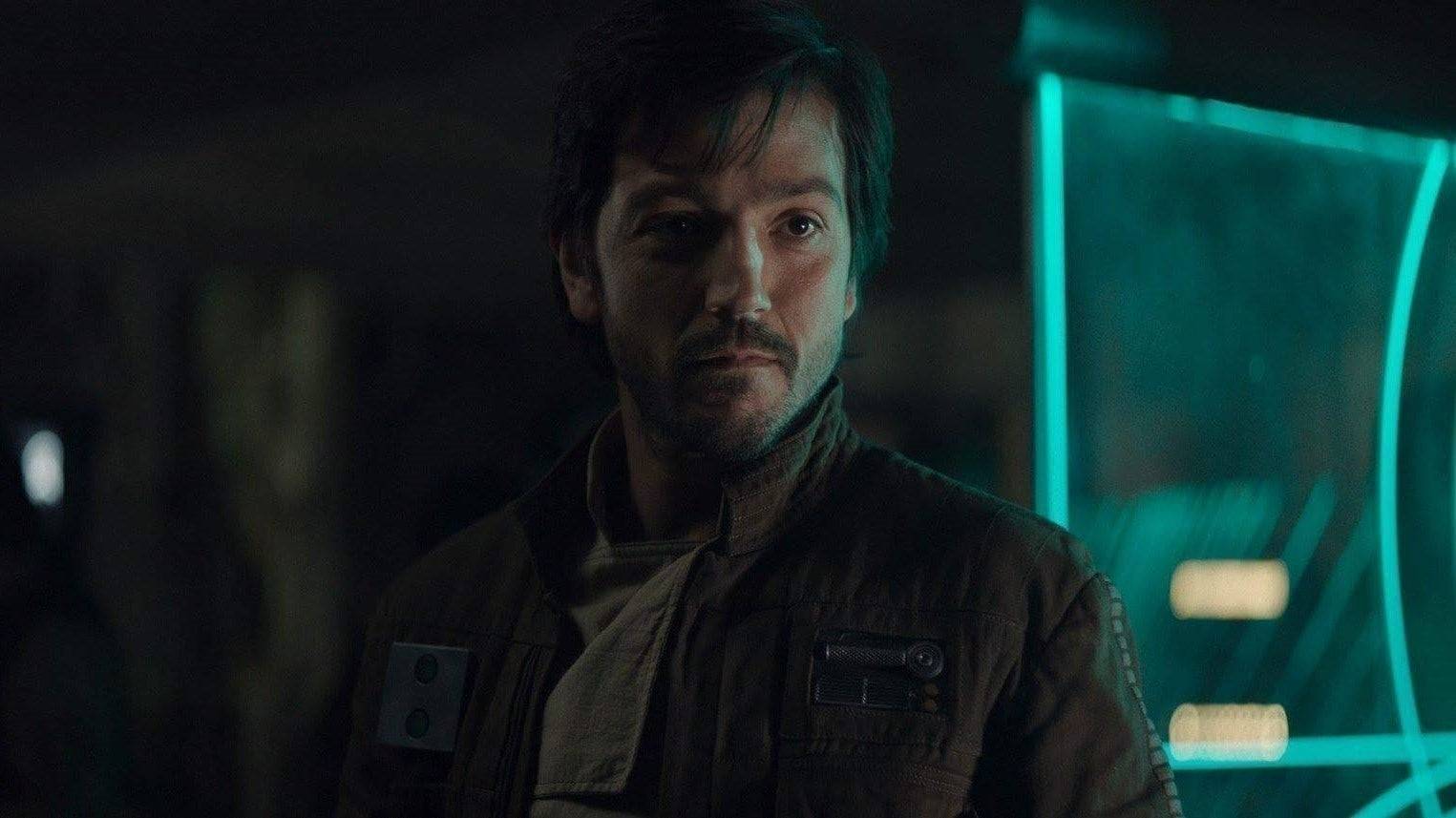
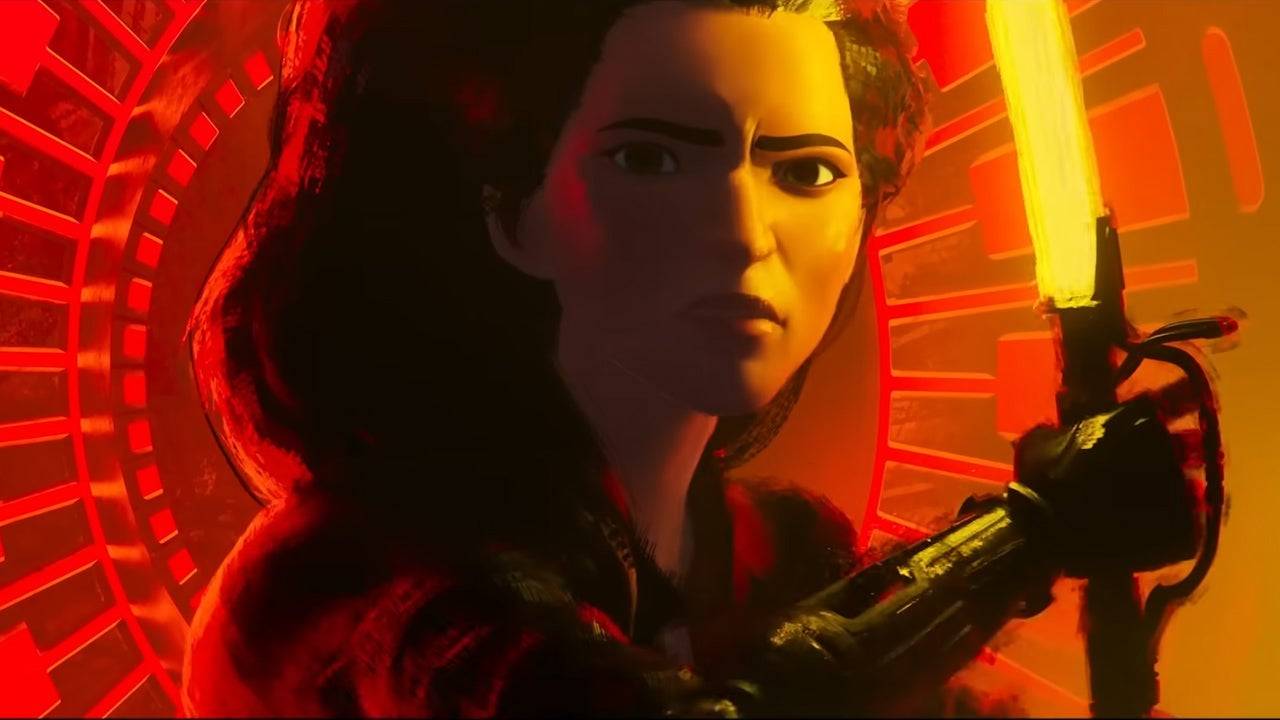
Au cours de son mandat, Kennedy a supervisé des projets importants, notamment la Suite Trilogy (Star Wars Episodes 7-9) et le lancement de plusieurs séries de streaming à succès telles que The Mandalorian, The Book of Boba Fett, Andor, Ahsoka, Skeleton Crew et l'Acolyte. Alors que certains films comme Star Wars: The Force Awakens ont été des succès majeurs, d'autres, dont Solo: A Star Wars Story, ont été confrontés à des défis financiers et à des critiques mitigées.

Lorsqu'on lui a demandé directement par Deadline si elle démissionnerait en tant que présidente de Lucasfilm cette année, Kennedy a répondu qu'elle ne savait pas "à ce stade", mais a affirmé que toute décision serait "à 100% ma décision". Elle est restée sans engagement quant à savoir si Filoni prendrait le contrôle de son rôle.

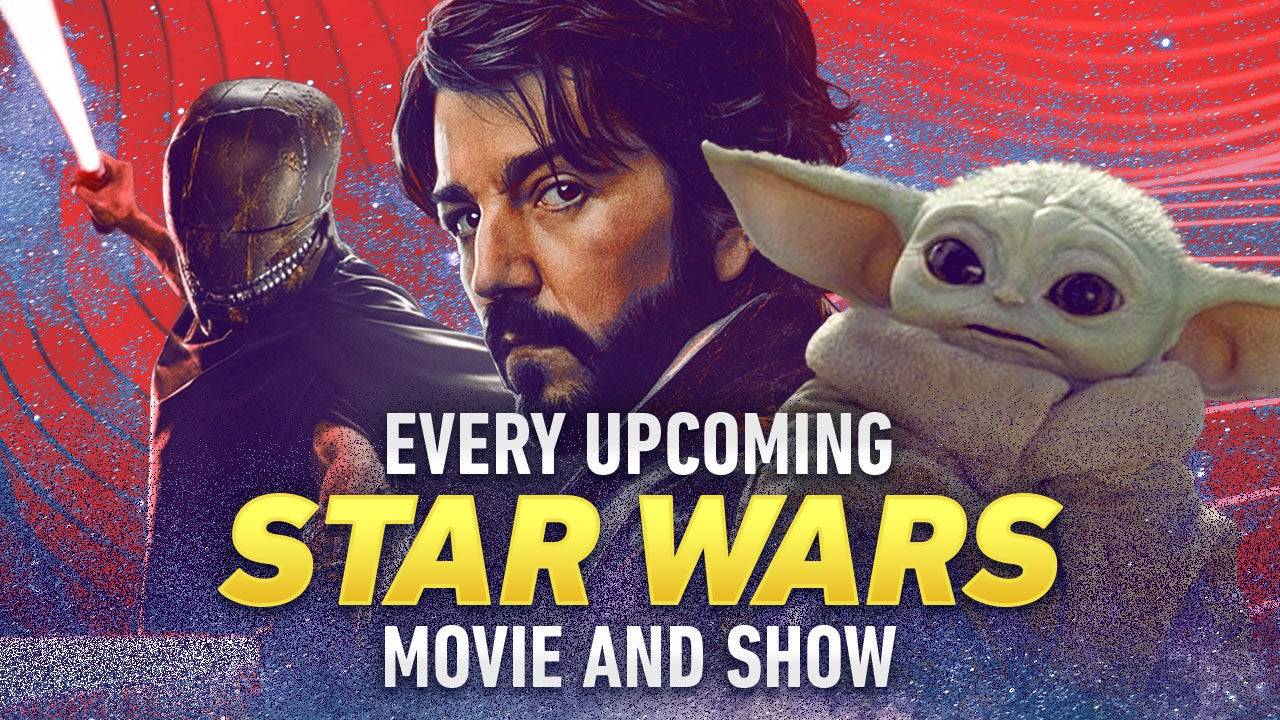
Chaque prochain film et émission de télévision Star Wars
20 images

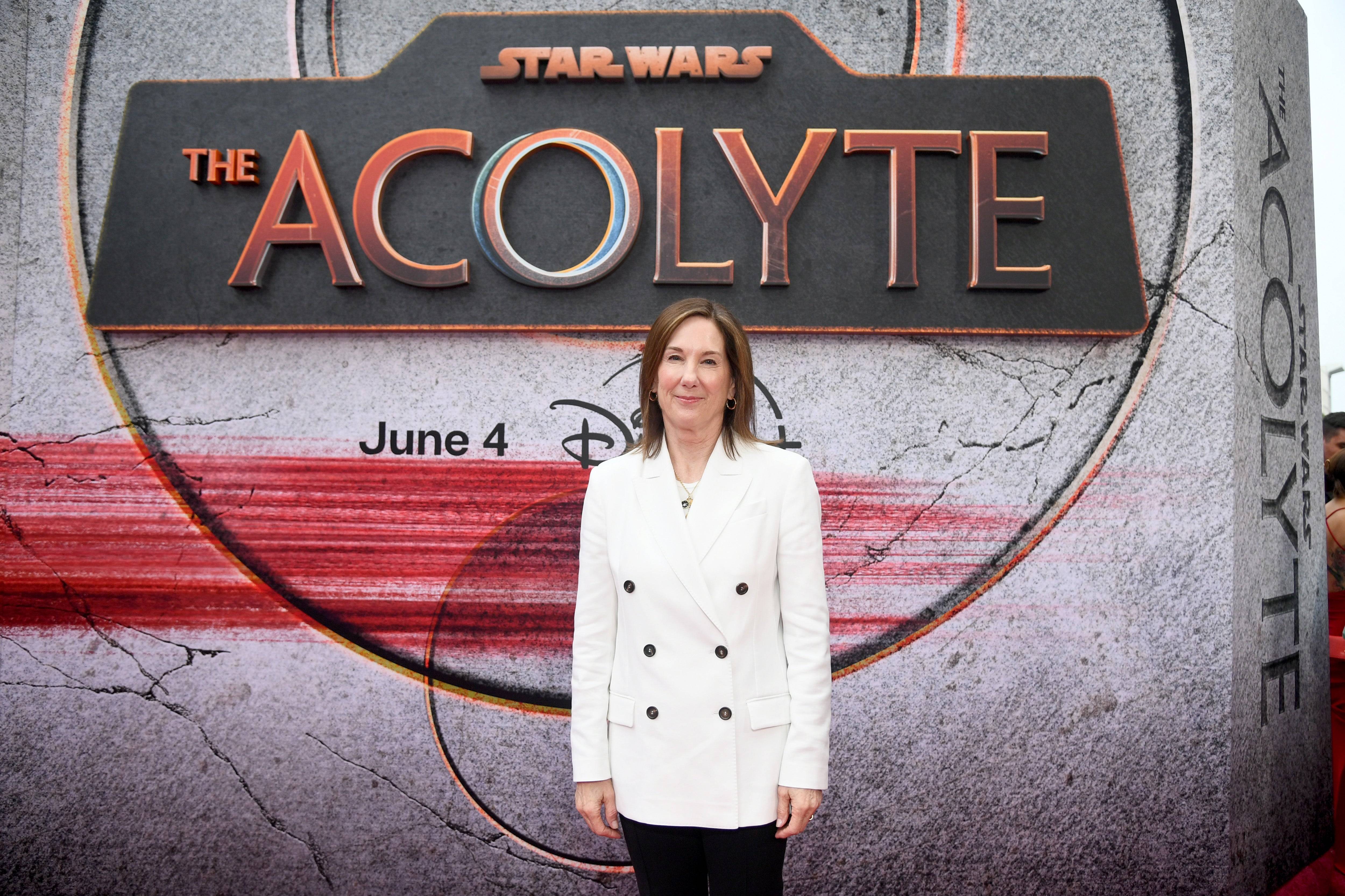
Kathleen Kennedy, lors du lancement de Disney + Star Wars, montrent l'Acolyte. Photo d'Alberto E. Rodriguez / Getty Images pour Disney.
Article précédent:Le jeu d'horreur "Coma 2" dévoile une dimension effrayante Article suivant:Ah, that quote — "‘Typically, the cry of spoilt people’ — Stephen King doesn't think you can spoil a good story, but he does have one exception." — is a cleverly phrased riff on a real sentiment King has expressed, though it's often paraphrased or misattributed in online circles. Let’s unpack it. Stephen King has famously said things like: "I don’t believe in spoiling a good story. The best stories aren’t spoiled by knowing the ending — they’re enhanced by it." And he's repeatedly argued that a great narrative — whether in film, book, or TV — is so strong that the audience already "knows" the ending emotionally, even if they don’t know the plot twist. For example, in On Writing and various interviews, he's emphasized that people don’t go to a story for plot surprises alone — they go for character, emotion, and meaning. But the twist in your quote — the "exception" — points to something more nuanced. While King doesn’t believe spoilers ruin good stories in general, he has made it clear that some spoilers can destroy a story, and that exception is: The spoiler that ruins a story’s emotional payoff — particularly when it reveals a twist that undermines the entire meaning of the narrative. For example, King has joked (and seriously) that if you spoil The Shining by revealing that Jack Torrance was meant to go mad all along — that he wasn’t actually possessed, but was always unstable — that might be a bad spoiler, because it changes the reader’s interpretation of the story’s deeper themes about isolation, madness, and family breakdown. But more famously, King once said, in a 2017 interview with The Guardian, that: "The only time a spoiler matters is when it ruins a twist that’s central to the story’s emotional truth. If you spoil that, you’ve broken the spell." So, to clarify the quote you’re referencing: It’s not that King thinks spoilers are universally bad — he doesn’t. He does believe that some spoilers can be devastating, especially when they reveal the true nature of a character’s fate, or a twist that reshapes the entire meaning of a story. So the "exception" he acknowledges? 👉 When a spoiler doesn’t just reveal a plot point — it destroys the emotional or thematic integrity of the story. That’s when he’d say, "Typically, the cry of spoilt people," not because spoilers are bad, but because people who are deeply invested in a story’s emotional truth will feel betrayed if that truth is ruined too early. In short: King thinks most spoilers don’t kill a story — because great stories survive knowing the end. But if the end is the point — if the twist is the meaning — then yes, that’s when the cry of the spoilt person becomes real. And that’s the exception. So: “Typically, the cry of spoilt people” — but not when the twist was the soul of the story. Then, it’s not just spoilt… it’s tragic.