

La presidenta de Lucasfilm, Kathleen Kennedy, ha abordado informes recientes sobre su posible jubilación, afirmando firmemente que no tiene planes de alejarse de la industria del cine. A principios de esta semana, Puck News sugirió que Kennedy, un veterano productor de cine, se retirara al final de su contrato en 2025, ya que había considerado previamente retirarse en 2024. Mientras que Variety desestimó el informe como "pura especulación", The Hollywood Reporter corroboró la historia.
En respuesta, Kennedy aclaró su postura en una entrevista con Deadline. Actualmente está colaborando con el CEO de Disney, Bob Iger, en un plan de sucesión, con el creador de los rebeldes de Star Wars y el director creativo de Lucasfilm Dave Filoni, según los informes, un candidato fuerte para sucederla. A pesar de esto, Kennedy declaró enfáticamente: "La verdad es, y solo quiero decir fuerte y claro, no me retiro. Nunca me retiraré de las películas. Moriré las películas. Eso es lo primero que es importante decir. No me estoy jubilando".
Kennedy reconoció que Lucasfilm tiene la intención de hacer un anuncio sobre su sucesión "meses o un año más adelante", pero enfatizó su compromiso de quedarse con la compañía. Está lista para producir proyectos próximos como la película mandaloriana y una película de Star Wars dirigida por Shawn Levy.
Si bien Kennedy admitió que no estará en Lucasfilm para siempre, destacó el crecimiento de la compañía desde que se hizo cargo hace 13 años, señalando la expansión a la transmisión y otras áreas. También negó cualquier sugerencia de que la estuvieran "haciendo a un lado" o "necesidad de ser reemplazada", afirmando que tales afirmaciones eran "absolutamente no el caso" y "no podía estar más lejos de la verdad".
Durante su mandato, Kennedy ha supervisado proyectos significativos, incluida la trilogía de la secuela (Episodios de Star Wars 7-9) y el lanzamiento de varias series de transmisión exitosas como el Mandalorian, el Libro de Boba Fett, Andor, Ahsoka, Skeleton Crew y The Acolyte. Mientras que algunas películas como Star Wars: The Force Awakens han sido los principales éxitos, otras, incluida Solo: A Star Wars Story, han enfrentado desafíos financieros y críticas mixtas.
Cuando se le preguntó directamente antes de la fecha límite si renunciaría como presidente de Lucasfilm este año, Kennedy respondió que no sabía "en esta etapa", pero afirmó que cualquier decisión sería "100% mi decisión". Permanecía no comprometido sobre si Filoni asumiría su papel.
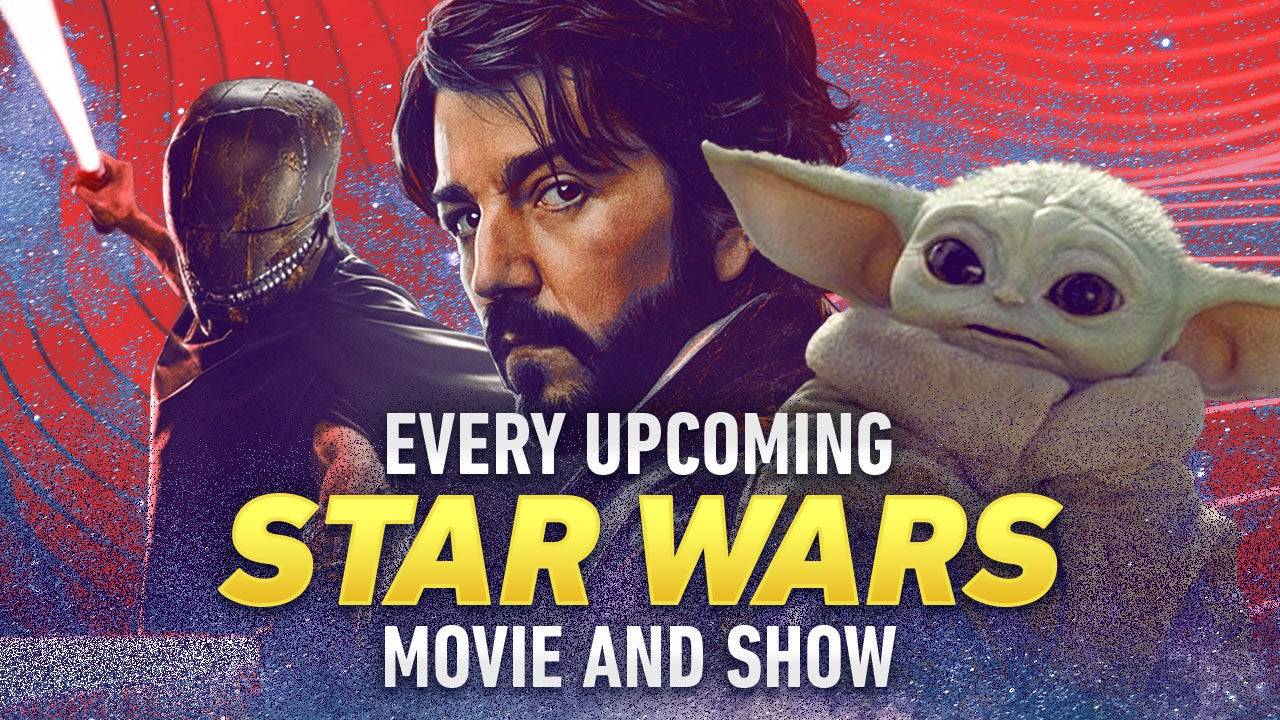
Todos los próximos show y programa de televisión de Star Wars
 20 imágenes


 Últimas descargas
 Downlaod




 Las noticias más importantes









