

Die Präsidentin von Lucasfilm, Kathleen Kennedy, hat jüngste Berichte über ihren potenziellen Ruhestand angesprochen und festgestellt, dass sie keine Pläne habe, sich von der Filmindustrie zu entfernen. Anfang dieser Woche schlug Puck News vor, dass Kennedy, ein erfahrener Filmproduzent, am Ende ihres Vertrags im Jahr 2025 in den Ruhestand treten sollte, nachdem er sich zuvor im Jahr 2024 in den Ruhestand gezogen hatte. Während Variety den Bericht als "reine Spekulation" abgetante, bestätigte der Hollywood -Reporter die Geschichte.
Als Reaktion darauf klärte Kennedy ihre Haltung in einem Interview mit Deadline. Derzeit arbeitet sie mit dem CEO von Disney, Bob Iger, an einem Nachfolgeplan zusammen. Der Schöpfer von Star Wars Rebels und der Chief Creative Officer von Lucasfilm, Dave Filoni, Berichten zufolge ein starker Kandidat für Nachfolger. Trotzdem erklärte Kennedy nachdrücklich: "Die Wahrheit ist, und ich möchte einfach laut und klar sagen, ich gehe nicht in den Ruhestand. Ich werde niemals aus den Filmen zurückziehen. Ich werde Filme machen. Das ist das erste, was wichtig zu sagen ist. Ich gehe nicht in den Ruhestand."
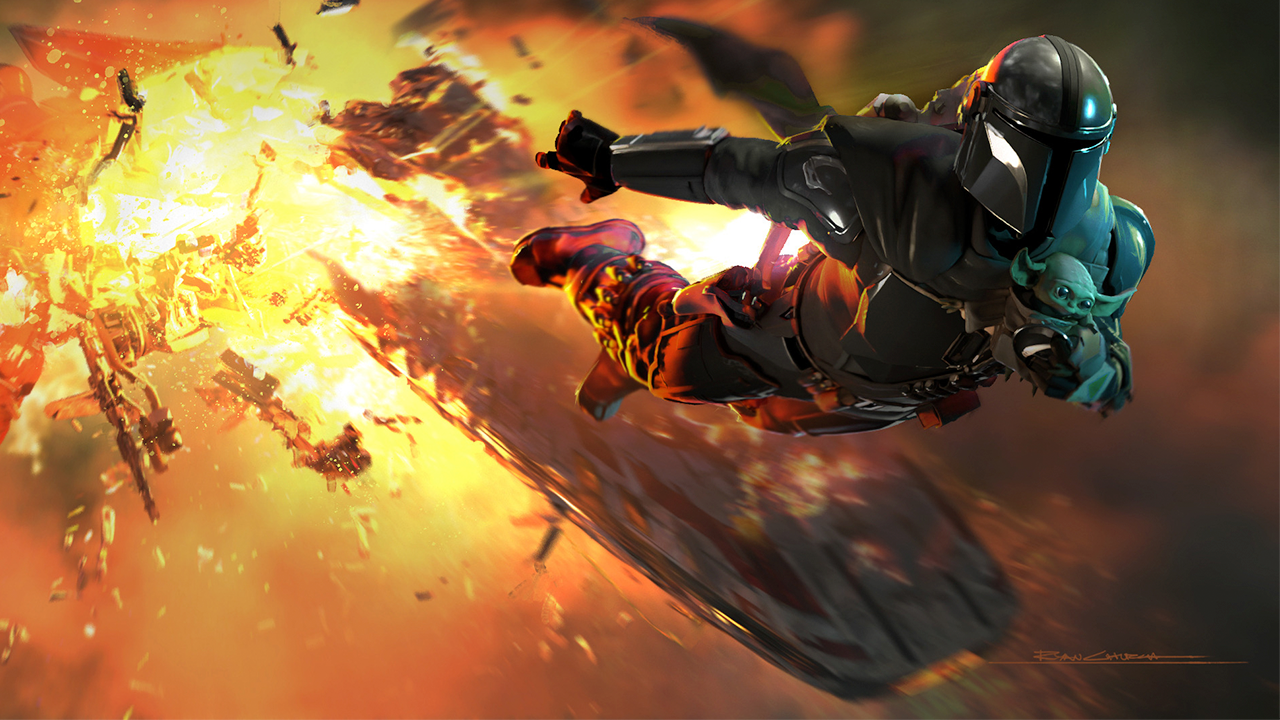
Kennedy räumte ein, dass Lucasfilm beabsichtigt, eine Ankündigung über ihre Nachfolge "Monate oder ein Jahr später" zu machen, aber sie betonte ihr Engagement für den Aufenthalt beim Unternehmen. Sie wird bevorstehende Projekte wie den Mandalorianer Film und einen Star Wars -Film von Shawn Levy produzieren.
Während Kennedy zugab, dass sie nicht für immer bei Lucasfilm sein wird, hob sie das Wachstum des Unternehmens seit ihrer Zeit vor über 13 Jahren hervor und bemerkte die Expansion in Streaming und andere Gebiete. Sie bestritt auch alle Vorschläge, dass sie "beiseite geschoben" oder "ersetzt werden musste" und behauptete, dass solche Behauptungen "absolut nicht der Fall" seien und "nicht weiter von der Wahrheit entfernt sein könnten".
Während ihrer Amtszeit hat Kennedy bedeutende Projekte beaufsichtigt, darunter die Fortsetzung Trilogy (Star Wars Episoden 7-9) und die Einführung mehrerer erfolgreicher Streaming-Serien wie The Mandalorian, das Buch von Boba Fett, Andor, Ahsoka, Skeleton Crew und The Acolyt. Während einige Filme wie Star Wars: The Force Awakens große Erfolge waren, standen andere, einschließlich Solo: A Star Wars -Geschichte, finanzielle Herausforderungen und gemischte Kritiken.
Als Kennedy direkt nach einer Frist gefragt wurde, ob sie als Lucasfilm -Präsidentin in diesem Jahr zurücktreten würde, wusste sie nicht "zu diesem Zeitpunkt", bekräftigte jedoch, dass eine Entscheidung "100% meine Entscheidung" sei. Sie blieb nicht übereinstimmend darüber, ob Filoni ihre Rolle übernehmen würde.
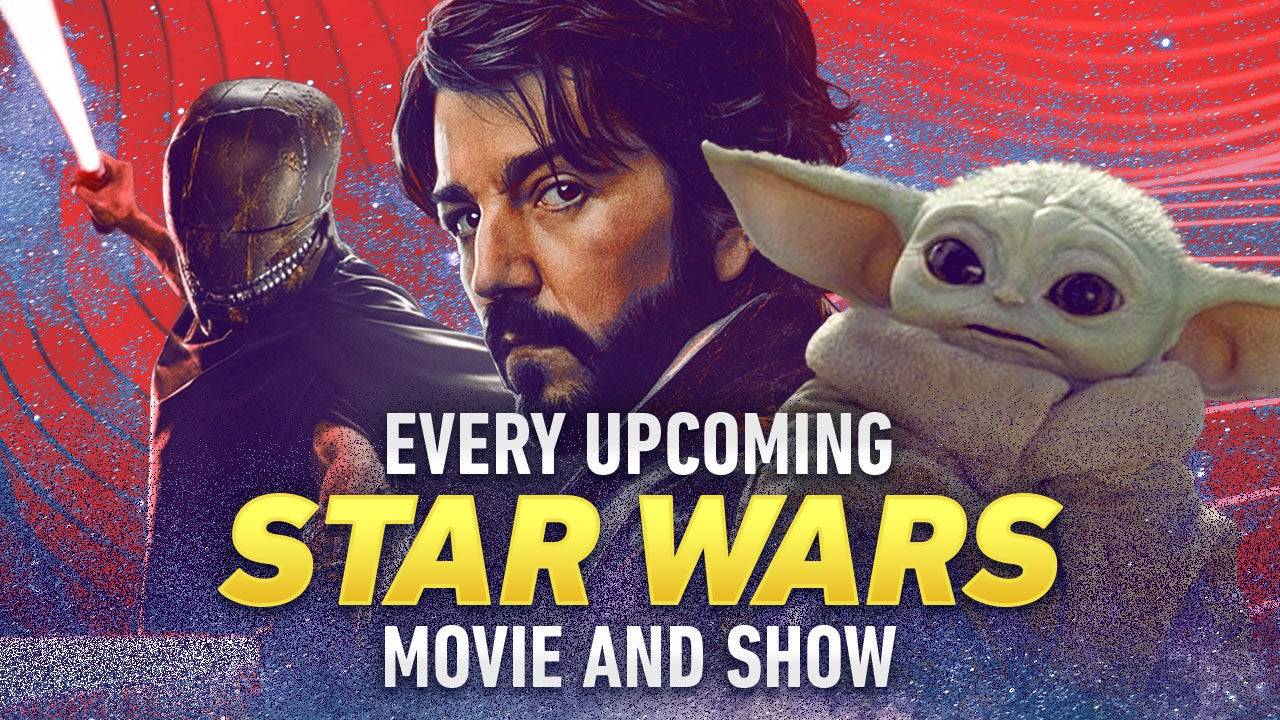
Jede bevorstehende Star Wars -Film- und TV -Show
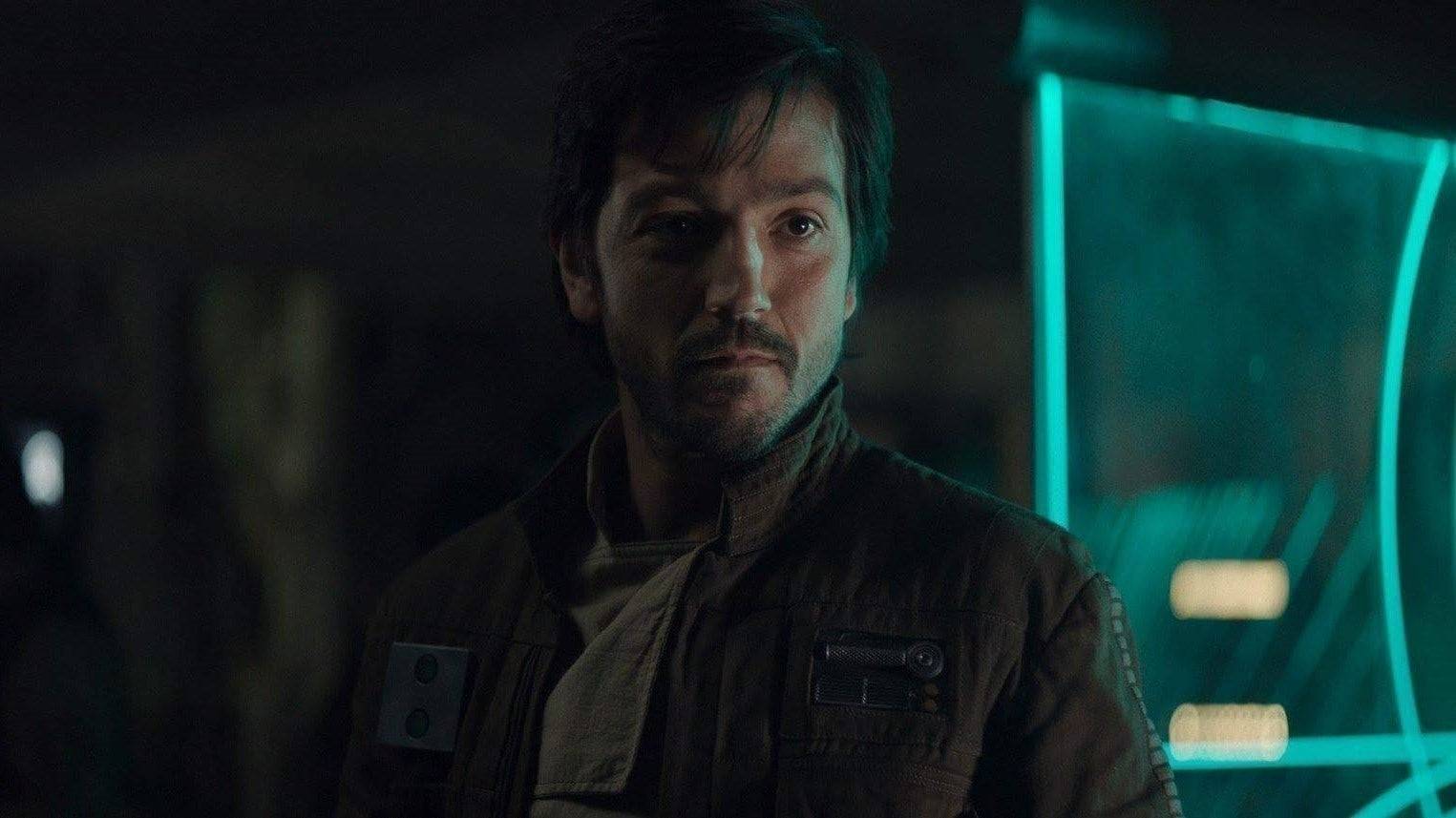 20 Bilder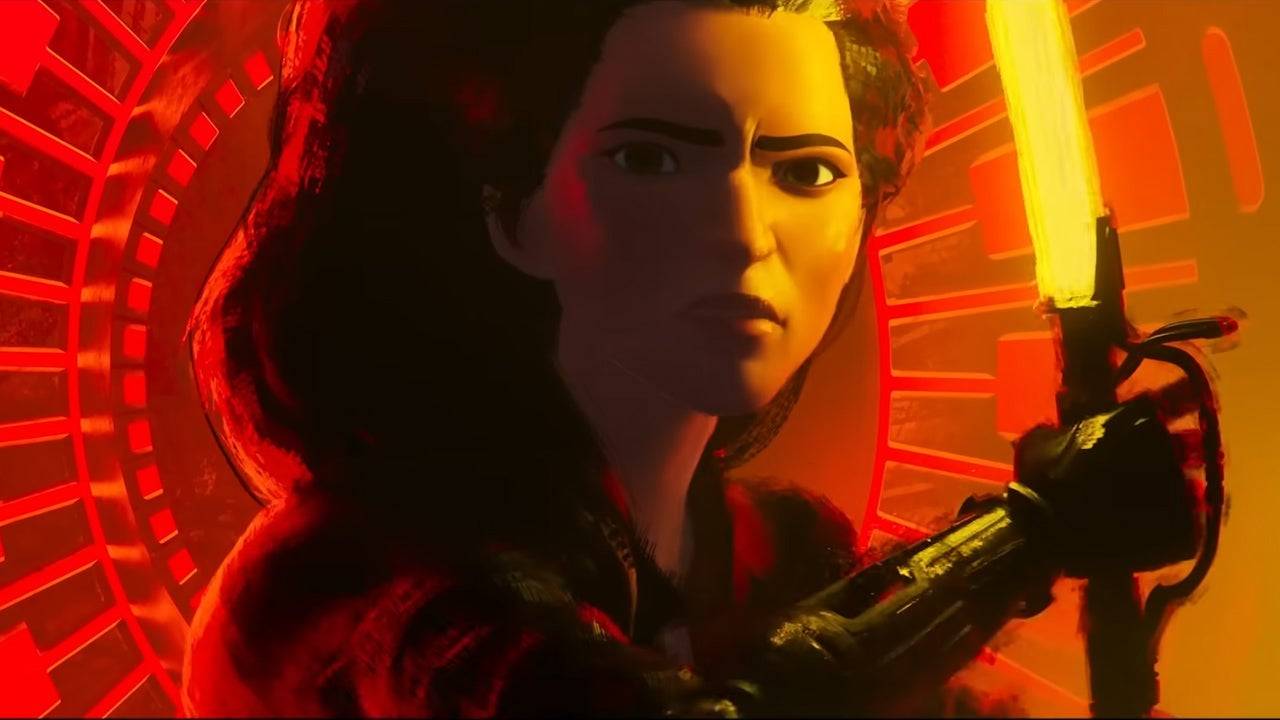

 Neueste Downloads
 Downlaod




 Top-Nachrichten









