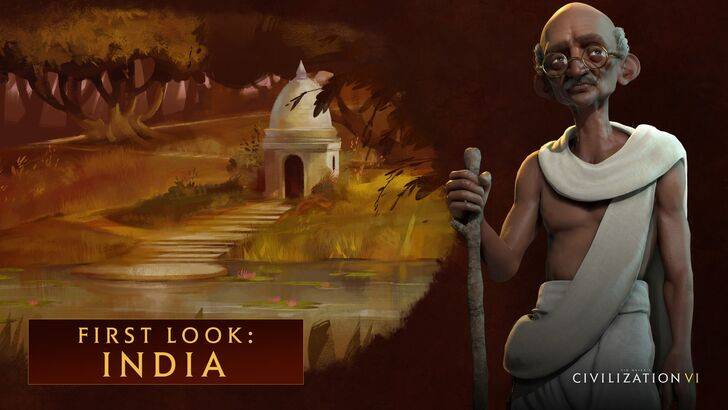
 Les développeurs de Civilization 7 ont indiqué qu'ils sont ouverts au retour de Gandhi, potentiellement sous forme de DLC après le lancement. Voici pourquoi Firaxis Games a initialement exclu le célèbre dirigeant indien de la liste des civilisations de base.
Civ 7 Developers Weigh Adding Classic Civilizations and Leaders
Gandhi et d'autres dirigeants préférés des fans pourraient encore revenir
 La possibilité que Gandhi dirige une civilisation dans Civ 7 reste ouverte, comme l'a expliqué le concepteur en chef Ed Beach dans un entretien avec IGN le 13 février 2025. Bien que son retour ne soit pas confirmé pour le lancement, il pourrait être ajouté ultérieurement, probablement sous forme de contenu téléchargeable.
Dans cet entretien, Beach a expliqué les raisons derrière l'exclusion de certaines civilisations et dirigeants classiques. « Nous n'avons pas oublié aucun personnage passé », a déclaré Beach. « Il y a naturellement beaucoup de discussions sur l'absence de civilisations comme la Grande-Bretagne ou l'Angleterre dans la liste initiale. »
 Firaxis a choisi d'exclure des puissances majeures comme la Grande-Bretagne et l'Inde principalement en raison du besoin de diversité dans la liste des civilisations. « Avec tant de choix populaires, nous voulons aussi introduire de nouvelles civilisations passionnantes », a précisé Beach. « Cela signifie que certains favoris sont mis de côté temporairement, mais nous planifions toujours à long terme pour la réintroduction des dirigeants et des civilisations. Ainsi, le retour de Gandhi reste possible. »
Étant donné le soutien étendu aux DLC pour Civilization 6, il est raisonnable d'attendre que Gandhi apparaisse un jour dans Civ 7. Toutefois, la date précise de sa réintroduction n'est pas encore connue.
 Derniers téléchargements
 Downlaod




 Actualité à la Une