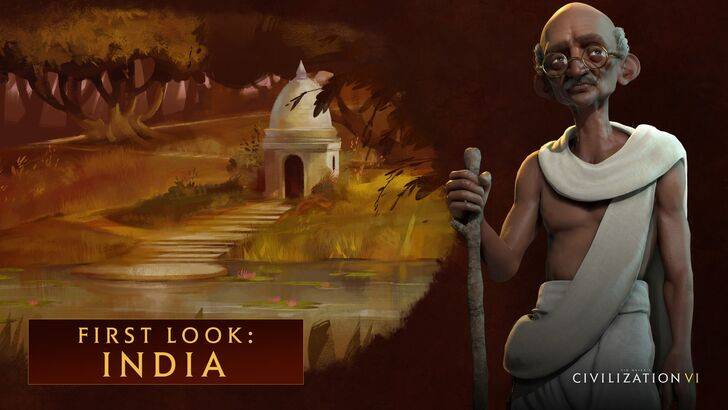
 Die Entwickler von Civilization 7 haben angedeutet, dass sie offen für Gandhis Rückkehr sind, möglicherweise als Post-Launch-DLC. Hier ist der Grund, warum Firaxis Games den ikonischen indischen Führer ursprünglich aus dem Basis-Spiel-Team ausgeschlossen haben.
Civ 7-Entwickler erwägen die Aufnahme klassischer Zivilisationen und Führer
Gandhi und andere beliebte Führer könnten trotzdem zurückkehren
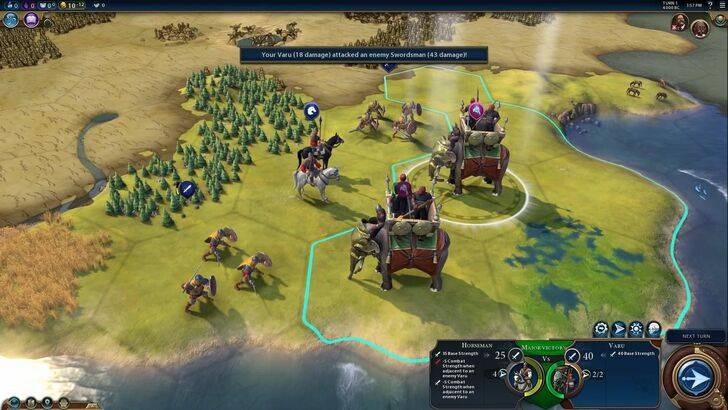 Die Möglichkeit, dass Gandhi eine Zivilisation in Civ 7 anführt, bleibt bestehen, wie der Hauptdesigner Ed Beach in einem Interview mit IGN am 13. Februar 2025 erläuterte. Obwohl seine Rückkehr für den Launch nicht bestätigt ist, könnte er später als Download-Inhalt hinzugefügt werden.
Im Interview erklärte Beach die Gründe für das Weglassen bestimmter klassischer Zivilisationen und Führer: „Wir haben keine der früheren Charaktere vergessen“, sagte Beach. „Natürlich gibt es viele Diskussionen über das Fehlen von Zivilisationen wie Großbritannien oder England in der anfänglichen Aufstellung.“
 Firaxis entschied sich, große Mächte wie Großbritannien und Indien hauptsächlich aufgrund des Bedarfs an Vielfalt im Team auszuschließen. „Bei so vielen beliebten Optionen möchten wir auch neue, spannende Zivilisationen einführen“, erläuterte Beach. „Das bedeutet, dass einige Favoriten vorübergehend beiseitegelegt werden, aber wir planen immer langfristig, wann Führer und Zivilisationen wieder eingeführt werden. Gandhis Rückkehr ist daher weiterhin möglich.“
Angesichts der umfangreichen DLC-Unterstützung für Civilization 6 ist es vernünftig, davon auszugehen, dass Gandhi letztendlich auch in Civ 7 auftauchen wird. Der genaue Zeitpunkt seiner Wiedereinführung ist jedoch noch nicht bekannt.
 Neueste Downloads
 Downlaod




 Top-Nachrichten