Hogar > Noticias > La evolución de la facción de mazmorras en Heroes of Might & Magic: Olden Era

La evolución de la facción de mazmorras en Heroes of Might & Magic: Olden Era

By EthanMar 19,2025

La mazmorra, o brujo, facción en * Heroes of Might & Magic: Olden Era * siempre ha sido un favorito de los fanáticos, sin problemas en la rica narrativa del juego. Nuestra exploración de Jadame, una región que hogar de criaturas intrínsecamente vinculadas a la facción de mazmorras, nos permitió crear una facción profundamente arraigada en la tradición mientras adoptaba ideas nuevas e innovadoras. La imagen a continuación muestra esta evolución.
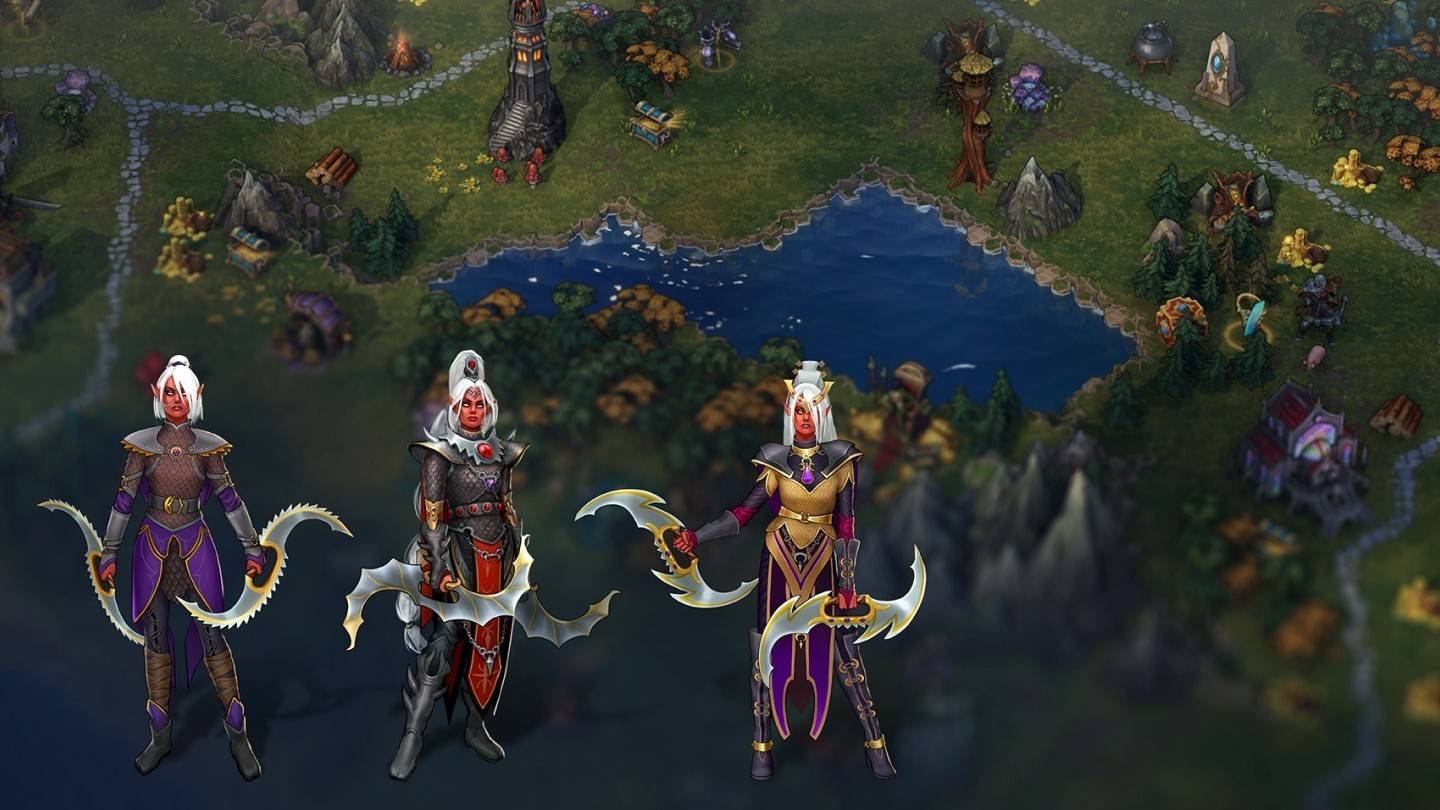
La evolución de la facción de mazmorra en la época de los héroes de poder magia Imagen: SteamPowered.com

Si tuviéramos que encapsular la esencia de la facción de la mazmorra a lo largo de la serie en solo dos palabras, serían "poder" y "marginados". Revisiting Enrand nos permite redefinir estos formidables brujos. Inspirada en la tradición de Jadame, particularmente *poder y magia viii: el pacto álvárico *, hemos reinventado la facción de la mazmorra.

Las criaturas una vez percibidas como monstruos ahora forjan alianzas con elfos oscuros de piel roja, históricamente ostracados para su enfoque pragmático. A través de la diplomacia, el comercio y las alianzas estratégicas, logran una fuerza sin precedentes, una desviación significativa de las iteraciones anteriores de la facción.

A lo largo de la serie * Heroes *, los hábiles brujos y los poderosos líderes han sido centrales para las ciudades jugables. Cada entrega los presentaba en una luz única:

  • En *Heroes I *y *Heroes II *, los sirvientes de Lord Alamar y el rey Archibald buscaban poder, uniendo criaturas de ideas afines bajo sus pancartas.
  • En *Heroes III *, los señores de la guerra de Nighon creían que la fuerza justificaba el dominio, gobernando de los túneles subterráneos y soñando con conquistar Antagarich.
  • En *Heroes IV *, los hechiceros y ladrones caóticos habitaron los pantanos de Axeoth, reuniendo a los pícaros para reclamar territorio en este floreciente mundo.
  • En *Heroes V-VII *, los elfos oscuros de Ashan formaron alianzas con la dragón dragón Malessa y el inframundo, creando un complejo tapiz de intriga.
Artículo anterior:El juego de terror 'Coma 2' presenta una dimensión espeluznante Artículo siguiente:Stephen King, the master of horror and storytelling, is famously known for his belief that you can't truly spoil a good story. He often argues that a great narrative—especially one with strong characters, atmosphere, and emotional depth—can withstand knowing the ending. In fact, he's famously said, "The only real horror is the human heart, and the only thing that can truly spoil a story is a bad ending." But even within that philosophy, he does acknowledge one notable exception. That exception? The "spoiler" that ruins the emotional impact of a twist, particularly one that hinges on irony, revelation, or a character’s tragic realization. King has stated that while most plot twists are "spoilable" in the traditional sense, some spoilers—especially those that reveal a character’s fate in a way that robs the reader of emotional journey—can indeed destroy the power of the story. For instance, in It, he once noted that knowing early on that Pennywise the Dancing Clown is not just a monster but a manifestation of childhood fears and trauma enhances the story. But if you were to learn, say, that a beloved character dies in a way that contradicts everything the reader has come to believe about them—without the buildup, the dread, the mounting tension—then the emotional punch is lost. So, while King generally champions the idea that great stories endure spoilers, he does draw a line: A story can be "spoiled" not by revealing plot points, but by stealing the emotional truth or psychological payoff that makes it powerful. As he puts it in On Writing: "The most powerful moments in storytelling aren't the ones you see coming—they’re the ones that hit you like a freight train because you didn’t see them coming... but when you do see them, and they still hurt? That’s magic." So, to clarify: King doesn’t think you can spoil a good story by revealing plot twists. But he does believe you can ruin a story by revealing the emotional truth too early—especially when that truth is the point of the story. Thus, the "exception" isn't a plot twist—it's the emotional core. And that’s the one spoiler that truly matters.