

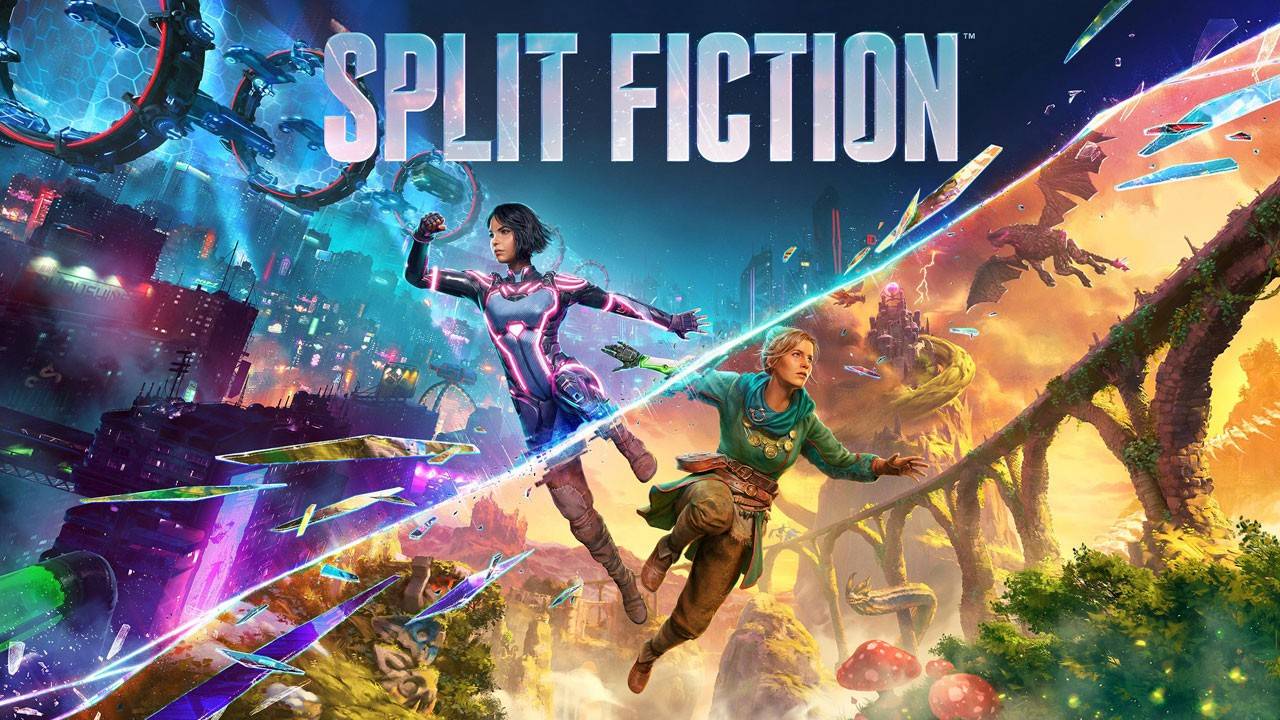
La prensa de juegos recientemente ha tenido la oportunidad de sumergirse en la última oferta de Josef Fares, conocida por su trabajo en "Toma dos". El nuevo juego, "Split Fiction", ha estado haciendo olas y actualmente cuenta con un puntaje promedio impresionante de 91 en Metacritic y 90 en OpenCritic. Los críticos han elogiado el juego por su enfoque innovador para el juego, introduciendo constantemente una nueva mecánica para mantener la experiencia dinámica y atractiva. Sin embargo, algunos revisores notaron que la historia podría ser más fuerte, y la duración del juego es relativamente corta.
Aquí hay un desglose de los puntajes de varios puntos de venta:
- Gameractor UK: 100
- Gamespot: 100
- Inverso: 100
- Push Square: 100
- Juegos de PC: 100
- Techradar Gaming: 100
- Variedad: 100
- Eurogamer: 100
- Area Jugones: 95
- IGN EE. UU.: 90
- Gamespuer: 90
- Quiteshockers: 90
- PlayStation Lifestiles: 90
- Vandal: 90
- Stevivor: 80
- TheGamer: 80
- VGC: 80
- WCCFTech: 80
- Hardcore Gamer: 70
Gameractor UK le dio a la "ficción dividida" una puntuación perfecta, llamándolo el mejor trabajo de Hazelight Studios hasta la fecha y uno de los juegos cooperativos más impresionantes de esta generación. Elogiaron su variedad y su flujo constante de nuevas ideas, describiéndola como una verdadera celebración de creatividad e innovación.
Eurogamer se hizo eco de este sentimiento, otorgando al juego un 100 y describiéndolo como una aventura fantástica de principio a fin. Destacaron su creatividad y compromiso, llamándolo un testimonio vívido de la imaginación humana.
IGN USA otorgó un 90, señalando "ficción dividida" como una aventura cooperativa magistralmente diseñada que combina dos géneros sin problemas. Elogiaron la montaña rusa de ideas y estilos de juego del juego, aunque mencionaron la trama algo débil.
VGC lo obtuvo un 80, apreciando las mejoras visuales sobre "It Take Two" y la rica selección de historias secundarias y la mecánica en constante cambio. Sin embargo, sintieron que faltaba la trama y el juego se arriesgó a ser repetitivo debido al constante cambio entre dos ubicaciones principales.
Hardcore Gamer le dio un 70, señalando que la "ficción dividida" es más corta y más cara que su predecesor. Si bien reconocieron su divertida y emocionante experiencia cooperativa, sintieron que no estaba a la altura de la originalidad y la variedad de "Toma dos".
"Split Fiction" se lanzará el 6 de marzo de 2025, y estará disponible en las consolas de Gen Gen (PS5, Serie Xbox) y PC.
 Últimas descargas
 Downlaod




 Las noticias más importantes









