

El nuevo chatbot de Deepseek cuenta con una introducción impresionante: "Hola, fui creado para que puedas preguntar cualquier cosa y obtener una respuesta que incluso te sorprenda". Esta IA, un producto de la startup china Deepseek, se ha convertido rápidamente en un jugador importante, incluso contribuyendo a una caída significativa en el precio de las acciones de Nvidia.
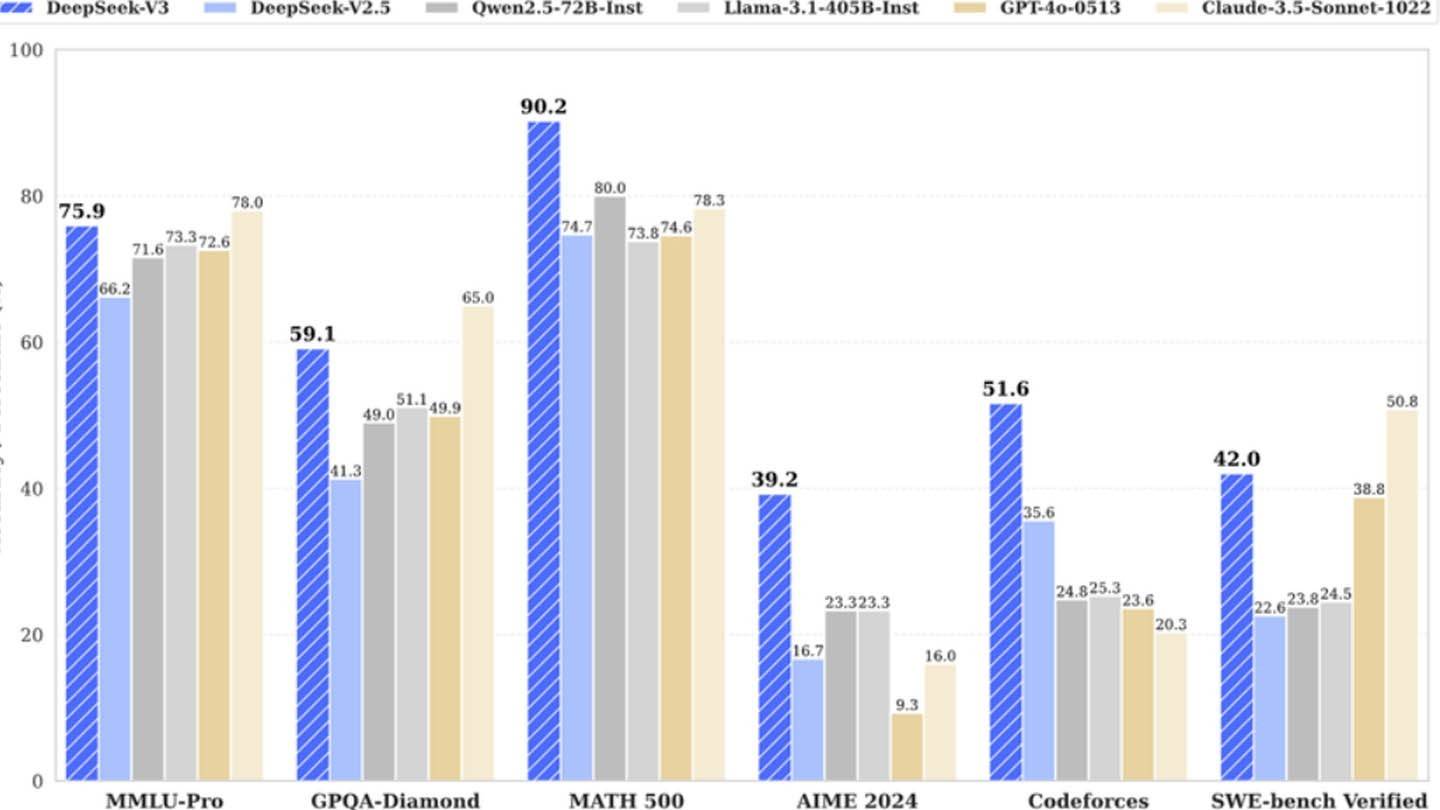
El éxito de Deepseek proviene de sus innovadores métodos de arquitectura y capacitación. Las tecnologías clave incluyen:
- Predicción de múltiples token (MTP): predicción de múltiples palabras simultáneamente, aumentando la precisión y la eficiencia.
- Mezcla de expertos (MOE): utilizando 256 redes neuronales (ocho activadas por token), acelerando la capacitación y mejorando el rendimiento.
- Atención latente múltiple (MLA): extrayendo repetidamente detalles clave del texto, asegurando que no se pierda información crucial.
Si bien Deepseek inicialmente reclamó un costo de capacitación notablemente bajo de $ 6 millones para Deepseek V3 utilizando 2048 GPU, el semianálisis reveló una infraestructura mucho más extensa: aproximadamente 50,000 GPU de la tolva NVIDIA (incluidas 10,000 H800, 10,000 H100 y GPU H20 adicional) se extendieron a través de múltiples centros de datos. Esto se traduce en una inversión de servidor total de aproximadamente $ 1.6 mil millones y los gastos operativos estimados en $ 944 millones.
Deepseek, una subsidiaria del Fondo de cobertura chino High-Flyer, posee sus centros de datos, proporcionando control sobre la optimización y la implementación de innovación más rápida. Su naturaleza autofinanciada mejora la flexibilidad y la velocidad de toma de decisiones. La compañía también atrae al máximo talento, con algunos investigadores ganando más de $ 1.3 millones anuales, principalmente reclutando de las principales universidades chinas.
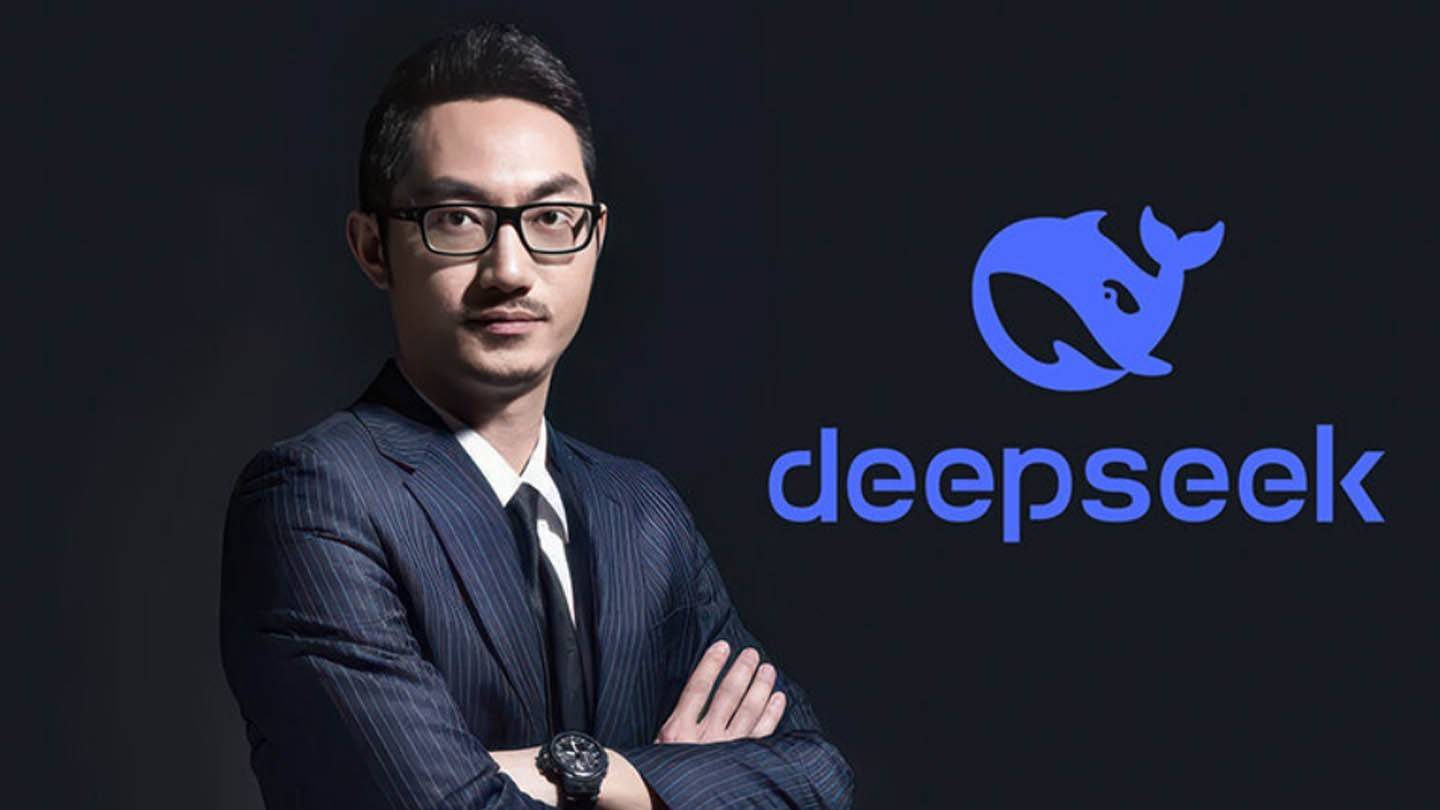
La cifra inicial de $ 6 millones de Deepseek solo representa los costos de GPU previos al entrenamiento, excluyendo la investigación, el refinamiento, el procesamiento de datos e infraestructura. La inversión total de la compañía en desarrollo de IA supera los $ 500 millones. Sin embargo, su estructura magra permite una implementación eficiente de innovación en comparación con empresas más grandes y burocráticas.
El éxito de Deepseek destaca el potencial de las compañías de IA independientes bien financiadas para competir con los gigantes de la industria. Sin embargo, sus logros se basan en una inversión sustancial, avances tecnológicos y un equipo fuerte. El reclamo de "presupuesto revolucionario" para el desarrollo del modelo es, por lo tanto, una simplificación excesiva. Sin embargo, sus costos siguen siendo significativamente más bajos que los competidores; Por ejemplo, el modelo R1 de Deepseek costó $ 5 millones para entrenar, en comparación con los $ 100 millones de CHATGPT4.
 Últimas descargas
 Downlaod



 Las noticias más importantes









