У Kuro Games есть захватывающие новости для поклонников Wuthering Waves, поскольку предстоящее обновление версии 2.1 под названием «Waves Sing и Cerulean Bird Calls» будет запущена 13 февраля. Это обновление обещает обогатить игру новыми резонаторами, оружием, регионами и множеством привлекательных событий.
В качестве зарядки в этом обновлении-два новых пятизвездочных резонатора, Фиби и Брант, каждый из которых приносит уникальные боевые стили. Наряду с ними игроки могут с нетерпением ждать нового оружия, такого как пятизвездочный светящийся гимн и нецеливая доблесть. Кроме того, четырехзвездочный подарок океана может быть заработан благодаря событию на тему рыбалки на недавно введенных островах Риччиоли.
Для тех, кто любит исследовать, версия 2.1 представляет две новые области: хранилище под землей и острова Риччиоли. Убежище, скрытое под морем облаков, служит безопасной зоной хранения, в то время как острова Риччиоли дают представление о богатых традициях Ринаситы, в отличие от структурированного порядка города Рагунна. Эти новые регионы расширяют мир игры и дают свежие истории и проблемы.
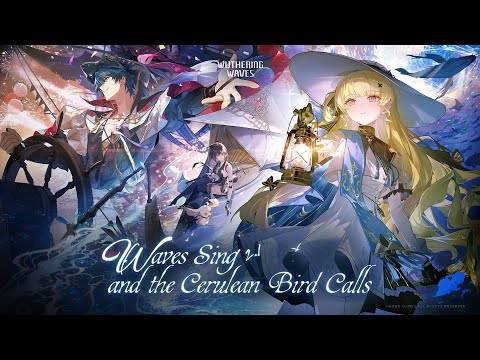 Уливая глубже в знаниях, игроки могут испытать новые повествования, такие как история Бранта, «День паруса, капитан!», Который проливает свет на его прошлое, и квест «молчащий как падающий лист», который раскрывает больше загадок Рагунны. Новые эхо, такие как «ярость против статуи» и «Aero Prism», также бросят вызов игрокам со свежими опасностями.
Обновление заполнено событиями с ограниченным временем, чтобы задействовать игроков. «Старик и кит» приглашает вас отправиться в поиски редкой рыбы, а «Apex Ragunna» - на фестивале Carnevale, разблокируя новые районы в водном городе. Эти события предлагают достаточные возможности для сбора ресурсов, аналогичных преимуществам, предоставляемым кодами волн Wuthering .
Для энтузиастов боевых действий «Tactical Simulacra III» и «Infinite Battle Simulation II» предлагают структурированные проблемы, а «хныканье отходов» вводит постоянную зону боевых действий с высокой дифромистиком.
Для получения более подробной информации о Wuthering Waves версии 2.1, обязательно посетите официальный сайт.
 Последние загрузки
 Downlaod


 Главные новости