Дом > Новости > «Square Enix намекает на визуальные обновления для перерождения FFVII на PS5»

«Square Enix намекает на визуальные обновления для перерождения FFVII на PS5»

By IsabellaApr 21,2025

«Square Enix намекает на визуальные обновления для перерождения FFVII на PS5»

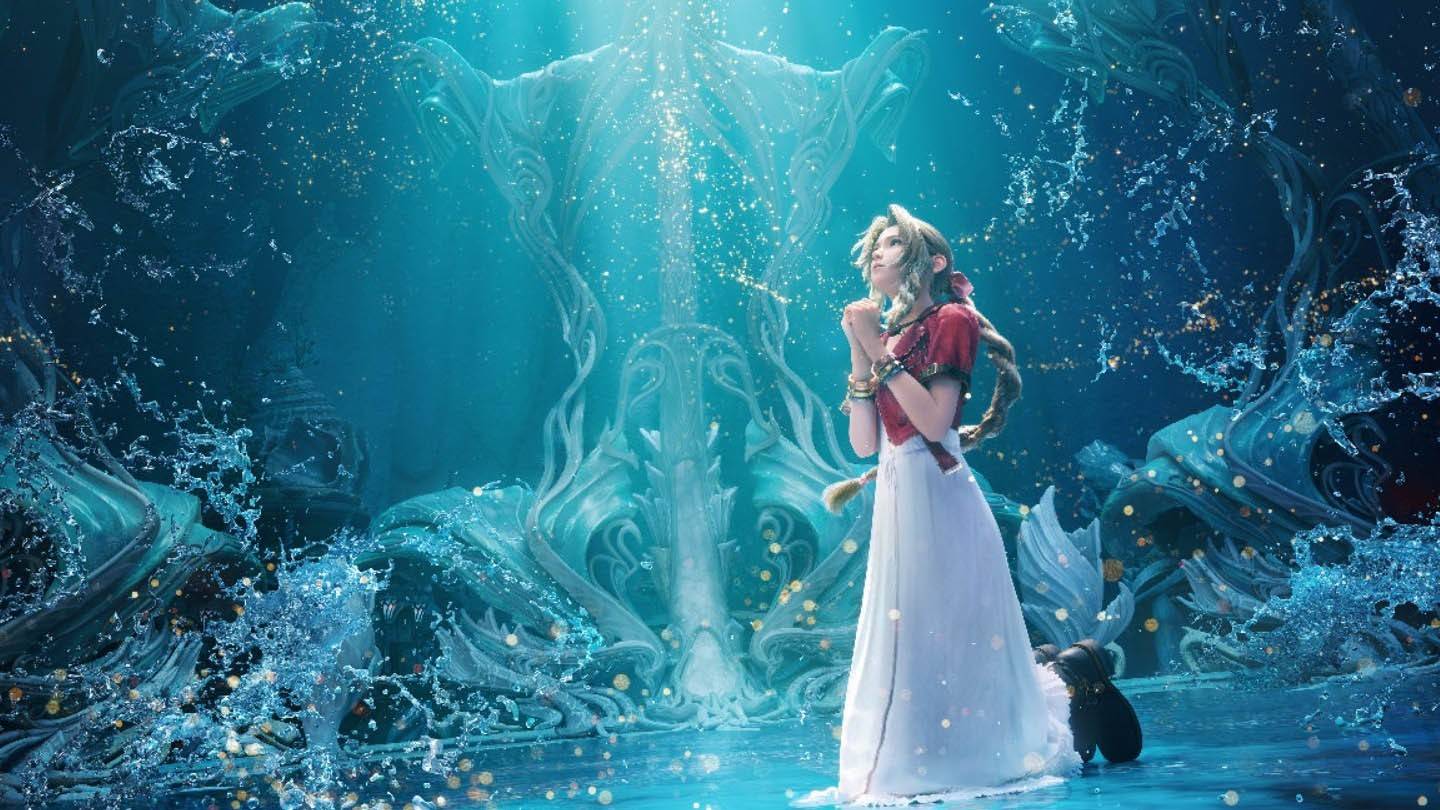
Версия игры ПК не только может похвастаться значительно улучшенными визуальными эффектами по сравнению с версией PS5, но и предлагает более стабильную производительность, что вызывает дискуссии в сообществе о необходимости обновления консоли Sony. В настоящее время версия PS5 страдает от размытых визуальных эффектов в режиме производительности, оставляя владельцами базовых консолей без выбора, кроме как ожидание патчей. Директор игры Наоки Хамагучи признал, что улучшения возможны в рамках технических ограничений PS5.

«После выпуска рекламного материала версии ПК мы были завалены запросами на аналогичное обновление для версии PS5. Мы стремимся обратиться к этому в пределах того, что возможно с производительностью PS5», - заявил Хамагути.

Игроки с нетерпением ожидают, что Square Enix будет прислушаться к этим запросам фанатов и соответственно улучшит консольные визуальные эффекты.

В то время как команда разработчиков сосредоточена на продолжении, Хамагучи попросил фанатов о терпении, обещая больше деталей в будущем. Он подчеркнул, что 2024 год был успешным годом для Final Fantasy Rebirth, второй выпуск в трилогии, которая привлекла глобальное внимание и многочисленные награды. Когда команда готовится к третьему выпуску Final Fantasy VII, они сталкиваются с уникальными проблемами в своих усилиях по расширению фан -базы игры.

Интересно, что Хамагучи также выразил интерес к Grand Theft Auto VI в этом году, демонстрируя поддержку команды Rockstar Games. Он считает, что они находятся под огромным давлением из -за феноменального успеха GTA V.

Предыдущая статья:Хоррор-игра «Coma 2» раскрывает жуткое измерение Следующая статья:Stephen King, the master of horror and storyteller extraordinaire, has famously stated that you can’t truly “spoil” a good story—at least not in the way most people think. In his view, a great story is built on more than plot twists or surprise endings; it's rooted in atmosphere, character, emotion, and the way the narrative unfolds over time. As he once said: "You can't spoil a good story. A good story doesn't rely on surprise. It relies on truth, on the way it makes you feel. The story isn't in the twist—it's in the journey." This philosophy reflects King’s belief that the power of storytelling lies in immersion, not in hiding the outcome. He argues that if you’ve truly connected with a story—its people, its world, its emotional stakes—then even knowing how it ends doesn’t diminish the experience. In fact, for many readers, the emotional impact is what matters most. But here’s the twist—King does have one exception to his "you can't spoil a good story" rule. The Exception: The Ending of It (1990) King has admitted that spoiling the final scene of It—particularly the moment when Pennywise returns to Derry at the end—can ruin the experience for some readers. Why? Because It isn’t just a horror novel; it’s a deeply personal, emotional journey about childhood trauma, friendship, fear, and the long shadow of the past. The ending, where the Losers Club defeats Pennywise only to realize he’s not truly gone—“He’ll be back”—is a masterstroke of psychological horror. King has said that revealing that final line, or the idea that the evil returns in a new form, can strip the story of its lingering dread. The power lies in the aftermath, the sense that the victory is fragile, that fear isn’t defeated—it’s merely delayed. When that’s given away, the emotional weight is lost. So while King generally believes stories are too rich to be spoiled by a twist, he makes a rare exception: if you know the ending of It—especially the cyclical nature of the evil and the return of Pennywise—the haunting beauty and emotional resonance can be diminished. "The only story I’d say is spoiled by knowing the ending? It. Because the horror isn’t just in the monster—it’s in the realization that he never truly dies." This exception underscores something profound: even in a world where stories thrive on mystery, some endings carry a unique emotional and thematic weight—so powerful that they can’t be handled lightly. For King, the true danger isn’t a spoiler. It’s losing the feeling that something you’ve lived through—something that haunts you—is real. So in short: King says you can’t spoil most good stories—because they’re about feeling, not plot. But he makes one exception: It. Because sometimes, knowing the monster returns… is the worst kind of spoiler.