Дом > Новости > Руководство по романтике: Кэтрин в Королевстве приходит избавление 2

Руководство по романтике: Кэтрин в Королевстве приходит избавление 2

By PeytonApr 08,2025

В Королевстве приходит: освобождение 2 , Кэтрин появляется как ключевая сторона, и у игроков есть возможность романтизировать ее. Ниже приведено подробное руководство о том, как завоевать ее сердце в игре.

Королевство пришло: освобождение 2 Кэтрин Руководство

Вы столкнетесь с Кэтрин в начале вашего путешествия, но разгадывание ее истинной личности и цели займет время. Чтобы роман ее, вы должны продвинуться по основной сюжетной линии и полные конкретные побочные квесты, связанные с ней.

Королевский гамбит
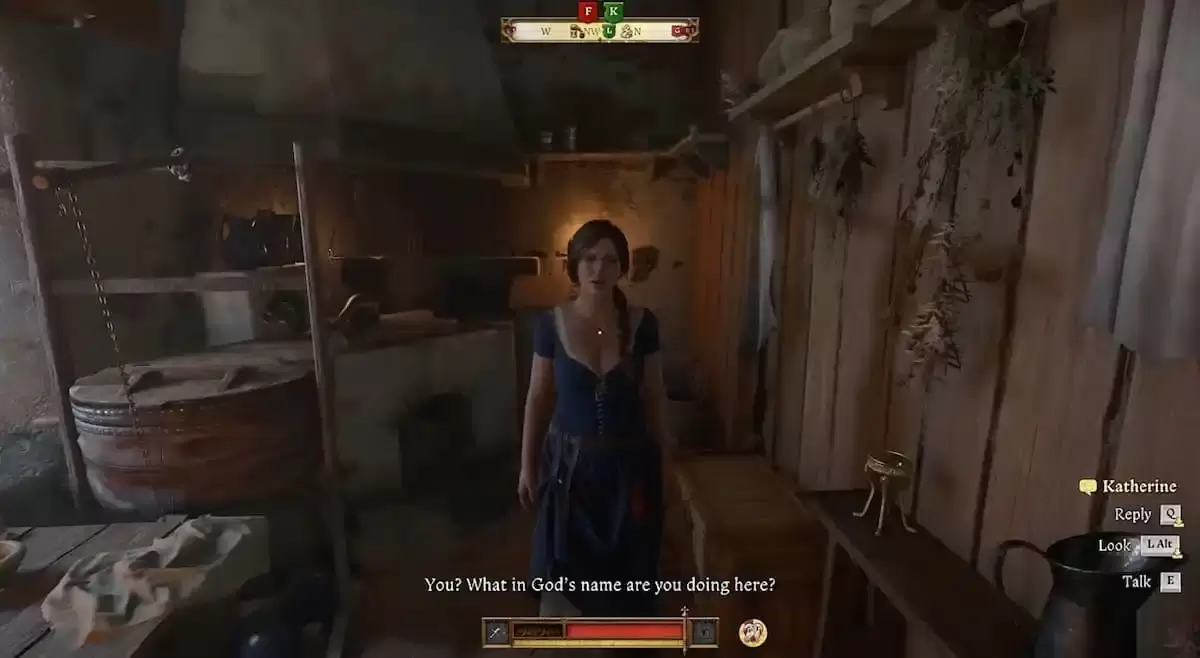
Ваш выбор становится решающим во время основного квеста «Королевский гамбит». Здесь вы проведете ночь в Thindol и имеете возможность общаться с Кэтрин. Во время сцены, где она купает вас в лагере Sigismund, выберите эти варианты диалога, чтобы инициировать флирт:

  • «С тобой все по -другому».
  • "А как насчет поцелуя для удачи?"

Полные побочные квесты для Кэтрин

После «King's Gambit» вам нужно будет выполнить два побочных квеста для Кэтрин в регионе Куттенберга: «Пятая заповедь» и «Сталкер».

Пятая заповедь

Чтобы начать «Пятую заповедь», поговорите с Кэтрин в таверне Куттенберга. Она попросит вашу помощь в отслеживании серийного убийцы. Квест прост, но ваше окончательное решение имеет решающее значение. Позвольте Кэтрин убить серийного убийцы вместо того, чтобы сдать его, чтобы заслужить у нее значительную пользу.

Сталкер

Для «Сталкера» снова поговорите с Кэтрин. Вам нужно будет иметь дело со сталком, преследующим ее. Вы можете пройти проверку речи, чтобы заставить его уйти, подкупить его 200 Грошеном или просто избить его.

Итальянская работа

После завершения этих побочных квестов продолжайте с основной сюжетной линией, пока не достигнете «Итальянской работы». Прежде чем поговорить с Яном Зизкой, отправляйтесь во двор и поднимайтесь по лестнице в шахтной комнате, чтобы найти Кэтрин. Похвалите ее, прежде чем продолжить квест.

Голод и отчаяние

Последний шаг в романсии Кэтрин приходит во время главного квеста "голода и отчаяния". После борьбы с солдатами и поговорить с Zizka, найдите Кэтрин в лазарете и выберите этот вариант диалога:

  • «Я принесу помощь, и все будет снова в порядке».

Затем встретитесь с ней на валке, чтобы завершить сюжетную линию романтики.

Следуя этим шагам, вы успешно романтике Кэтрин в Королевстве: освобождение 2 . Для получения дополнительных советов и информации об игре, в том числе убить Джейкша и как найти лагерь Cumans, обязательно ознакомьтесь с Escapist.

Предыдущая статья:Хоррор-игра «Coma 2» раскрывает жуткое измерение Следующая статья:Stephen King, the master of horror and storyteller extraordinaire, has famously stated that you can’t truly “spoil” a good story—at least not in the way most people think. In his view, a great story is built on more than plot twists or surprise endings; it's rooted in atmosphere, character, emotion, and the way the narrative unfolds over time. As he once said: "You can't spoil a good story. A good story doesn't rely on surprise. It relies on truth, on the way it makes you feel. The story isn't in the twist—it's in the journey." This philosophy reflects King’s belief that the power of storytelling lies in immersion, not in hiding the outcome. He argues that if you’ve truly connected with a story—its people, its world, its emotional stakes—then even knowing how it ends doesn’t diminish the experience. In fact, for many readers, the emotional impact is what matters most. But here’s the twist—King does have one exception to his "you can't spoil a good story" rule. The Exception: The Ending of It (1990) King has admitted that spoiling the final scene of It—particularly the moment when Pennywise returns to Derry at the end—can ruin the experience for some readers. Why? Because It isn’t just a horror novel; it’s a deeply personal, emotional journey about childhood trauma, friendship, fear, and the long shadow of the past. The ending, where the Losers Club defeats Pennywise only to realize he’s not truly gone—“He’ll be back”—is a masterstroke of psychological horror. King has said that revealing that final line, or the idea that the evil returns in a new form, can strip the story of its lingering dread. The power lies in the aftermath, the sense that the victory is fragile, that fear isn’t defeated—it’s merely delayed. When that’s given away, the emotional weight is lost. So while King generally believes stories are too rich to be spoiled by a twist, he makes a rare exception: if you know the ending of It—especially the cyclical nature of the evil and the return of Pennywise—the haunting beauty and emotional resonance can be diminished. "The only story I’d say is spoiled by knowing the ending? It. Because the horror isn’t just in the monster—it’s in the realization that he never truly dies." This exception underscores something profound: even in a world where stories thrive on mystery, some endings carry a unique emotional and thematic weight—so powerful that they can’t be handled lightly. For King, the true danger isn’t a spoiler. It’s losing the feeling that something you’ve lived through—something that haunts you—is real. So in short: King says you can’t spoil most good stories—because they’re about feeling, not plot. But he makes one exception: It. Because sometimes, knowing the monster returns… is the worst kind of spoiler.