
Дом > Новости > Возрождение товарищей по команде в репо: гид

Возрождение товарищей по команде в репо: гид

By AidenMar 28,2025

Возрождение товарищей по команде в репо: гид

Игра в игры с друзьями может поднять игровой опыт до новых высот. Тем не менее, в репо , каждый может оказаться в горячем месте в какой -то момент из -за сложных монстров игры. Вот как вы можете вернуть своих падших товарищей по команде к жизни в репо .

Что делать, если товарищ по команде умирает в репо

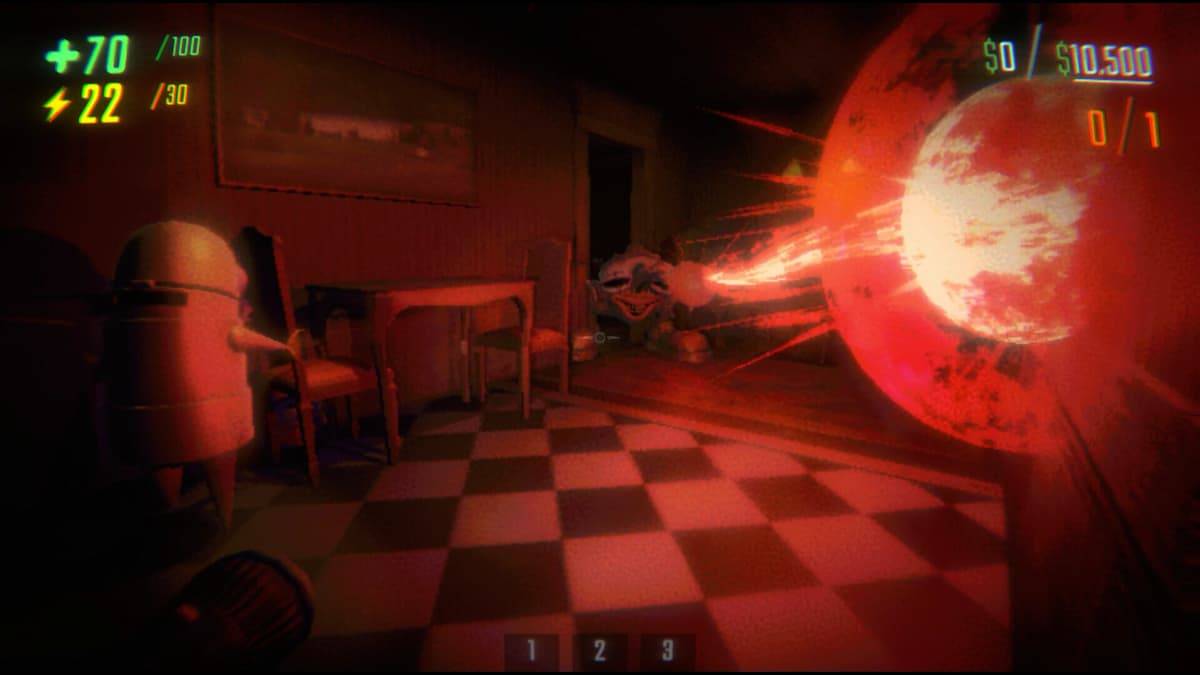
Когда вы начинаете раунд в репо , ваше здоровье составляет 100. Ущерб может наноситься из различных источников, включая монстров или даже ваши собственные человеческие гранаты. Чтобы выздороветь, вы можете использовать пакеты здоровья, найденные на станции обслуживания. Кроме того, товарищи по команде могут делиться здоровьем, взаимодействуя с барами здоровья друг друга - уникальной функцией, которая добавляет в игру слой командной работы.

Связанный: все монстры и как убить или избежать их в репо

Несмотря на эти варианты, монстры в репо могут иногда одолеть вашу команду. Если товарищ по команде падает, у вас есть два варианта: подождите, пока раунд заканчивается или примите немедленные действия. Когда товарищ по команде умирает, их голова падает на землю. Вам нужно будет поднять его, поэтому следите за тем, где они падают, или проверяйте карту на местоположении головы, отмеченная небольшим значком, соответствующим цвету их персонажа.

Где возродить товарищей по команде в репо

Как только у вас будет голова, отправляйтесь в точку извлечения. Поместите туда голову, и если вы удовлетворяли требованиям раунда по добыче (видно в правом верхнем углу вашего экрана), ваш товарищ по команде возродится с 1 л.с. Затем они могут войти в грузовик, чтобы получить дополнительное здоровье, гарантируя, что они не бремя для команды. После этого это возвращается к бизнесу как обычно.

Если извлечь голову невозможно, есть еще один способ возродить ваших товарищей по команде: начать новый раунд. Подобно Call of Duty Zombies, этот круглый подход позволяет умершим игрокам вернуться в начале нового раунда. Этот метод может оставить вас в невыгодном положении на оставшуюся часть текущего раунда, но он может быть полезным, особенно для новых игроков, которые могут учиться на просмотре более опытных товарищей по команде.

Связанный: как исправить репо, застрявшую на ошибке экрана загрузки

Вот как вы возрождаете товарищей по команде в репо . Для получения дополнительной информации, посмотрите, что делают энергетические кристаллы в игре и как приобрести больше.

Репо доступен сейчас на ПК.

Предыдущая статья:Хоррор-игра «Coma 2» раскрывает жуткое измерение Следующая статья:Stephen King, the master of horror and storyteller extraordinaire, has famously stated that you can’t truly “spoil” a good story—at least not in the way most people think. In his view, a great story is built on more than plot twists or surprise endings; it's rooted in atmosphere, character, emotion, and the way the narrative unfolds over time. As he once said: "You can't spoil a good story. A good story doesn't rely on surprise. It relies on truth, on the way it makes you feel. The story isn't in the twist—it's in the journey." This philosophy reflects King’s belief that the power of storytelling lies in immersion, not in hiding the outcome. He argues that if you’ve truly connected with a story—its people, its world, its emotional stakes—then even knowing how it ends doesn’t diminish the experience. In fact, for many readers, the emotional impact is what matters most. But here’s the twist—King does have one exception to his "you can't spoil a good story" rule. The Exception: The Ending of It (1990) King has admitted that spoiling the final scene of It—particularly the moment when Pennywise returns to Derry at the end—can ruin the experience for some readers. Why? Because It isn’t just a horror novel; it’s a deeply personal, emotional journey about childhood trauma, friendship, fear, and the long shadow of the past. The ending, where the Losers Club defeats Pennywise only to realize he’s not truly gone—“He’ll be back”—is a masterstroke of psychological horror. King has said that revealing that final line, or the idea that the evil returns in a new form, can strip the story of its lingering dread. The power lies in the aftermath, the sense that the victory is fragile, that fear isn’t defeated—it’s merely delayed. When that’s given away, the emotional weight is lost. So while King generally believes stories are too rich to be spoiled by a twist, he makes a rare exception: if you know the ending of It—especially the cyclical nature of the evil and the return of Pennywise—the haunting beauty and emotional resonance can be diminished. "The only story I’d say is spoiled by knowing the ending? It. Because the horror isn’t just in the monster—it’s in the realization that he never truly dies." This exception underscores something profound: even in a world where stories thrive on mystery, some endings carry a unique emotional and thematic weight—so powerful that they can’t be handled lightly. For King, the true danger isn’t a spoiler. It’s losing the feeling that something you’ve lived through—something that haunts you—is real. So in short: King says you can’t spoil most good stories—because they’re about feeling, not plot. But he makes one exception: It. Because sometimes, knowing the monster returns… is the worst kind of spoiler.