Дом > Новости > "Ресторан Hungry Hearts: пятая игра в серии Diner выпущена"

"Ресторан Hungry Hearts: пятая игра в серии Diner выпущена"

By CamilaMar 26,2025

"Ресторан Hungry Hearts: пятая игра в серии Diner выпущена"

Ресторан Hungry Hearts отмечает последнюю главу в любимой серии Gagex's Hungry Hearts, после успеха Hungry Hearts Diner, Hungry Hearts Diner 2, Hungry Hearts Diner: воспоминания и голодные сердца Diner Neo. Этот пятый выпуск выдвигает новые душевные сказки на первый план.

Что нового в ресторане Hungry Hearts?

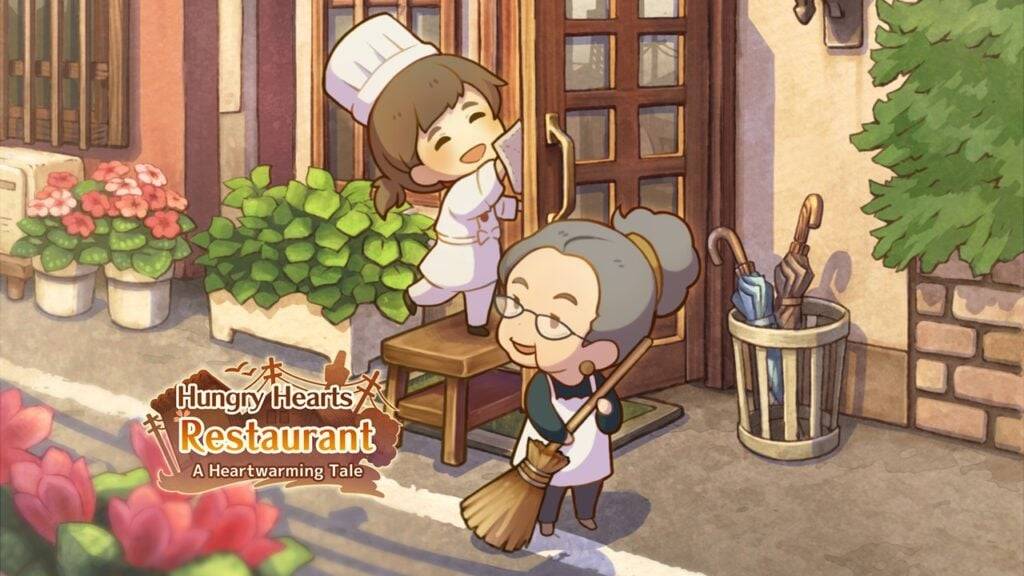
Ресторан Sakura, расположенный в безмятежном углу Токио, является новейшим дополнением к серии Diner Diner Hungry Hearts. В ресторане Hungry Hearts игроки вступают в роль управления этой очаровательной закусочной, подавая восхитительные блюда, слушая жизненные истории о покровителях, которые ищут утешения в теплой трапезе.

Ресторан, погруженный в историю, сталкивается с закрытием после прохождения его заветного шеф -повара. Тем не менее, внучка шеф -повара, молодая и решительная, вмешивается, чтобы оживить ресторан Sakura. Ее миссия? Чтобы сохранить рецепты ее дедушки живым и вдыхать новую жизнь в любимое заведение. Игроки помогут ей управлять рестораном, обновить свои объекты и ремесленные блюда, которые превращают новичков в лояльных завсегдатаев.

Это просто еще один ресторан?

Ресторан Hungry Hearts выходит за рамки типичного жанра симуляции ресторана. Каждое блюдо, которое вы готовите, плетение повествования, и каждый клиент приносит свою уникальную историю на стол. От беззаботных сказок до глубоко эмоциональных путешествий игроки глубоко вкладываются в жизнь своих покровителей, с нетерпением ожидая своего следующего визита и продолжения своих историй.

В то время как игра отходит от атмосферы эпохи шоу-атмосферов своих предшественников, она сохраняет фирменную теплоту старой школы серии. Как и другие названия Gagex, такие как Cart Cart, Showa Candy Shop и дети, которых мы были, ресторан Hungry Hearts очаровывает его успокаивающими визуальными эффектами.

Исследуйте ресторан Hungry Hearts в магазине Google Play и следите за нашим следующим обновлением о Jolly Match - Offline Puzzle, где вы можете отправиться в глобальное путешествие через головоломки.

Предыдущая статья:Хоррор-игра «Coma 2» раскрывает жуткое измерение Следующая статья:Stephen King, the master of horror and storyteller extraordinaire, has famously stated that you can’t truly “spoil” a good story—at least not in the way most people think. In his view, a great story is built on more than plot twists or surprise endings; it's rooted in atmosphere, character, emotion, and the way the narrative unfolds over time. As he once said: "You can't spoil a good story. A good story doesn't rely on surprise. It relies on truth, on the way it makes you feel. The story isn't in the twist—it's in the journey." This philosophy reflects King’s belief that the power of storytelling lies in immersion, not in hiding the outcome. He argues that if you’ve truly connected with a story—its people, its world, its emotional stakes—then even knowing how it ends doesn’t diminish the experience. In fact, for many readers, the emotional impact is what matters most. But here’s the twist—King does have one exception to his "you can't spoil a good story" rule. The Exception: The Ending of It (1990) King has admitted that spoiling the final scene of It—particularly the moment when Pennywise returns to Derry at the end—can ruin the experience for some readers. Why? Because It isn’t just a horror novel; it’s a deeply personal, emotional journey about childhood trauma, friendship, fear, and the long shadow of the past. The ending, where the Losers Club defeats Pennywise only to realize he’s not truly gone—“He’ll be back”—is a masterstroke of psychological horror. King has said that revealing that final line, or the idea that the evil returns in a new form, can strip the story of its lingering dread. The power lies in the aftermath, the sense that the victory is fragile, that fear isn’t defeated—it’s merely delayed. When that’s given away, the emotional weight is lost. So while King generally believes stories are too rich to be spoiled by a twist, he makes a rare exception: if you know the ending of It—especially the cyclical nature of the evil and the return of Pennywise—the haunting beauty and emotional resonance can be diminished. "The only story I’d say is spoiled by knowing the ending? It. Because the horror isn’t just in the monster—it’s in the realization that he never truly dies." This exception underscores something profound: even in a world where stories thrive on mystery, some endings carry a unique emotional and thematic weight—so powerful that they can’t be handled lightly. For King, the true danger isn’t a spoiler. It’s losing the feeling that something you’ve lived through—something that haunts you—is real. So in short: King says you can’t spoil most good stories—because they’re about feeling, not plot. But he makes one exception: It. Because sometimes, knowing the monster returns… is the worst kind of spoiler.