Дом > Новости > «Вкусно: первый курс исследует раннюю жизнь Эмили в новой игре»

«Вкусно: первый курс исследует раннюю жизнь Эмили в новой игре»

By OwenApr 25,2025

«Вкусно: первый курс исследует раннюю жизнь Эмили в новой игре»

Gamehouse только что выпустил восхитительное дополнение к своей любимой серии «Вкусной». Поклонники Эмили будут взволнованы, узнав, что она вернулась, и на этот раз она отвезет нас в ностальгическое путешествие к своему началу. Добро пожаловать в Delicious: первый курс , последняя игра по приготовлению управления временем от Gamehouse.

Если вы новичок в восхитительном сериале, подумайте об этом как о кулинарной версии Diner Dash, но с богатым повествованием. Сериал следует за жизнью Эмили с ее дней в качестве официантки, чтобы стать магнатом ресторана. Первая игра вышла на рынок еще в 2006 году, и с тех пор сериал расширился до более чем 15 названий, включая воспоминания о детстве , настоящую любовь , Wonder Wedding , круиз для медового месяца , мамы против пап , дорожную поездку Эмили и загадку особняка . Через эти игры мы наблюдали, как Эмили влюбилась, начинала семью и справляется с проблемами ее карьеры.

Восхитительный: первый курс похож на ностальгическую поездку туда, где все это началось!

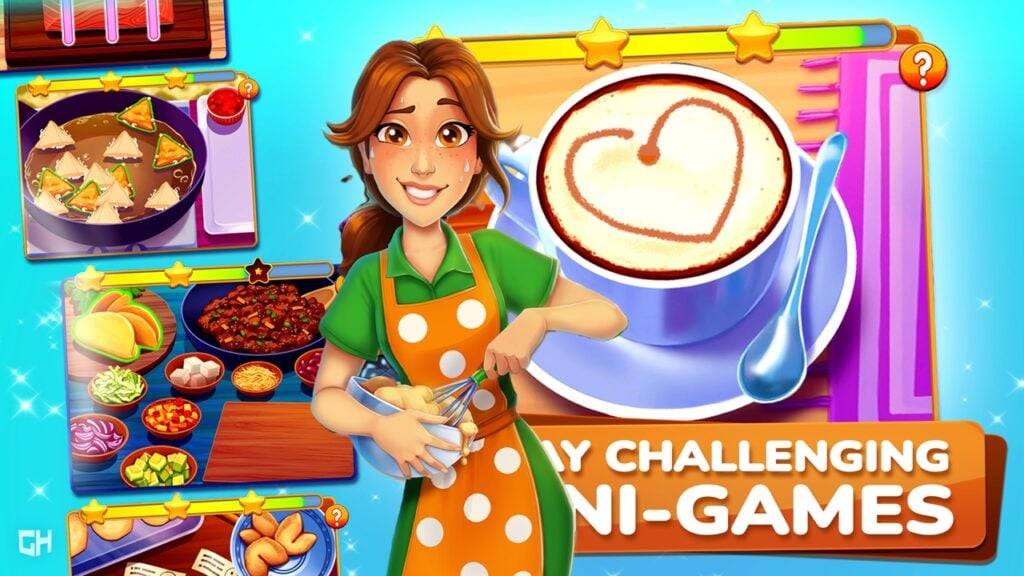
В Delicious: первый курс , вы вступите в туфли Эмили, когда она проходит через различные рестораны, которые превратили ее в кулинарную икону, которой она является сегодня. Ваши задачи включают в себя управление заказывами клиентов, обеспечение приготовления блюд до совершенства, модернизации вашего ресторана и сохранения крутых, когда заказы начнут накапливаться.

Путешествие Эмили в этой игре охватывает восемь разных ресторанов, где вы подготовите различные кухни, от американской комфортной еды до экзотической индийской и мексиканской блюд. По мере продвижения вы разблокируете модернизированные блюда, роскошный декор и дополнительный персонал, который поможет вам управлять кухонным хаосом.

Получите ощущение вкусного: первый курс с этим трейлером:

История Эмили была долгой и насыщенной, и вкусной: первый курс возвращает нас к своим первым дням, прежде чем она стала известным шеф -поваром, которого мы знаем сегодня. В игре участвует более 80 уровней, заполненных задачами по управлению временем и бесконечным режимом для тех, кто не может получить достаточно кухонной суеты.

Если вы фанат кулинарных игр, не пропустите Delicious: первый курс , доступный бесплатно в магазине Google Play.

Прежде чем уйти, обязательно ознакомьтесь с нашими последними новостями в моем героях Academia: самое сильное объявляет EOS после 4 лет службы .

Предыдущая статья:Хоррор-игра «Coma 2» раскрывает жуткое измерение Следующая статья:Stephen King, the master of horror and storyteller extraordinaire, has famously stated that you can’t truly “spoil” a good story—at least not in the way most people think. In his view, a great story is built on more than plot twists or surprise endings; it's rooted in atmosphere, character, emotion, and the way the narrative unfolds over time. As he once said: "You can't spoil a good story. A good story doesn't rely on surprise. It relies on truth, on the way it makes you feel. The story isn't in the twist—it's in the journey." This philosophy reflects King’s belief that the power of storytelling lies in immersion, not in hiding the outcome. He argues that if you’ve truly connected with a story—its people, its world, its emotional stakes—then even knowing how it ends doesn’t diminish the experience. In fact, for many readers, the emotional impact is what matters most. But here’s the twist—King does have one exception to his "you can't spoil a good story" rule. The Exception: The Ending of It (1990) King has admitted that spoiling the final scene of It—particularly the moment when Pennywise returns to Derry at the end—can ruin the experience for some readers. Why? Because It isn’t just a horror novel; it’s a deeply personal, emotional journey about childhood trauma, friendship, fear, and the long shadow of the past. The ending, where the Losers Club defeats Pennywise only to realize he’s not truly gone—“He’ll be back”—is a masterstroke of psychological horror. King has said that revealing that final line, or the idea that the evil returns in a new form, can strip the story of its lingering dread. The power lies in the aftermath, the sense that the victory is fragile, that fear isn’t defeated—it’s merely delayed. When that’s given away, the emotional weight is lost. So while King generally believes stories are too rich to be spoiled by a twist, he makes a rare exception: if you know the ending of It—especially the cyclical nature of the evil and the return of Pennywise—the haunting beauty and emotional resonance can be diminished. "The only story I’d say is spoiled by knowing the ending? It. Because the horror isn’t just in the monster—it’s in the realization that he never truly dies." This exception underscores something profound: even in a world where stories thrive on mystery, some endings carry a unique emotional and thematic weight—so powerful that they can’t be handled lightly. For King, the true danger isn’t a spoiler. It’s losing the feeling that something you’ve lived through—something that haunts you—is real. So in short: King says you can’t spoil most good stories—because they’re about feeling, not plot. But he makes one exception: It. Because sometimes, knowing the monster returns… is the worst kind of spoiler.