

Ben Affleck, connu pour son rôle de Batman dans Batman c. Superman: Dawn of Justice , a récemment partagé un aperçu de son expérience difficile décrivant le super-héros emblématique de DC. Dans une interview avec GQ , Affleck a réfléchi à son voyage d'une décennie avec le personnage, le décrivant comme "une expérience vraiment atroce". Il a attribué ses difficultés à une dynamique complexe avec DC, ce qui a finalement conduit à son intérêt décroissant pour le genre des super-héros.
"Il y a un certain nombre de raisons pour lesquelles c'était une expérience vraiment atroce", a expliqué Affleck. "Et ils n'ont pas à voir avec la simple dynamique de, disons, d'être dans un film de super-héros ou autre.
Affleck a déjà discuté de ses difficultés avec le rôle, mais cette fois, il a approfondi les raisons de ses expériences négatives. Il a cité un "désalignement des agendas, des compréhensions et des attentes" comme un facteur important, tout en reconnaissant ses propres contributions aux défis. "Je veux dire, mes défaillances en tant qu'acteur, vous pouvez regarder les différents films et juger. Mais plus de mes échecs en termes de pourquoi j'ai eu une mauvaise expérience, une partie de ce que je faisais travailler chaque jour était beaucoup de malheur", a-t-il admis. Il a en outre élaboré: "Alors je n'apportais pas beaucoup d'énergie positive à l'équation. Je n'ai pas causé de problèmes, mais je suis entré et je suis fait mon travail et je suis rentré chez moi. Mais tu dois faire un peu mieux que ça."
Le voyage d'Affleck avec DC a commencé lorsqu'il a rejoint Batman c. Superman de Zack Snyder aux côtés de Henry Cavill. Cela a conduit à de nombreuses apparitions dans des films comme les versions originales et Snyder Cut de Justice League , The Flash et un camée à Suicide Squad . Cependant, son film autonome de Batman prévu a finalement été annulé. Les rumeurs suggèrent que ce film aurait exploré 80 ans de l'histoire du Dark Knight, se plongeant potentiellement dans l'asile d'Arkham et mettant en vedette Deathstroke de Joe Manganiello.
Les 10 meilleurs héros du film DCEU

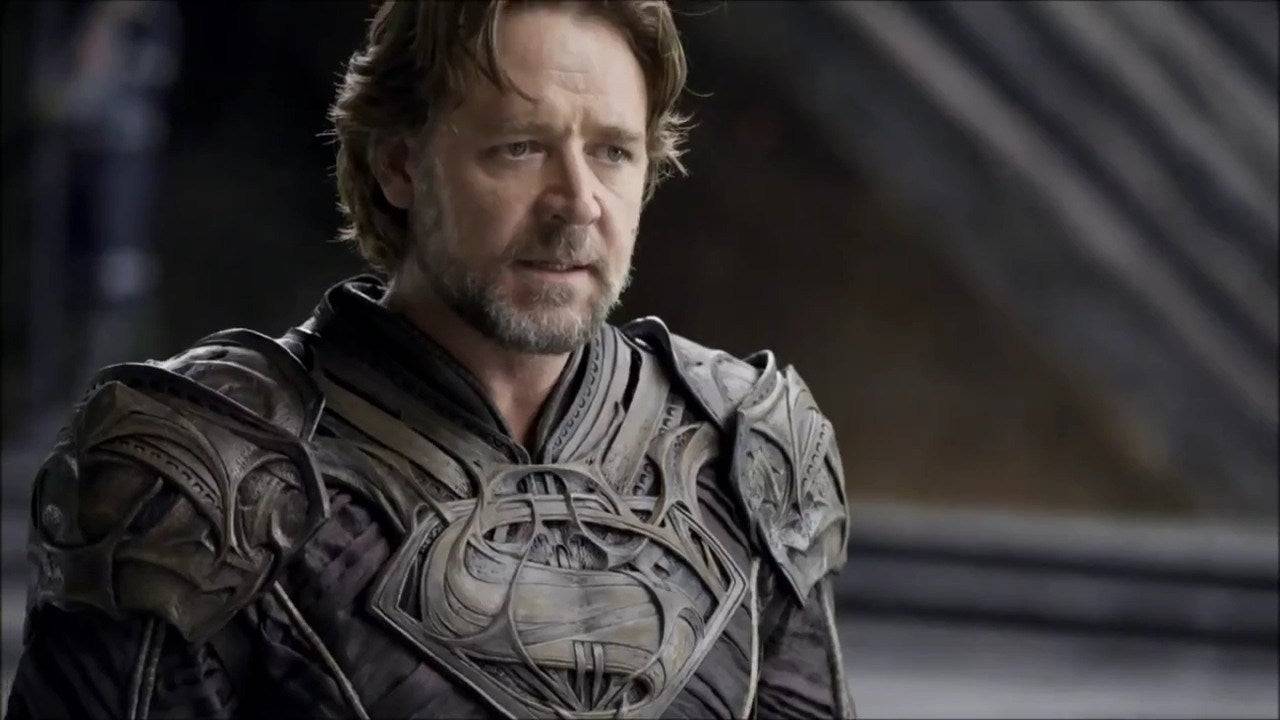 11 images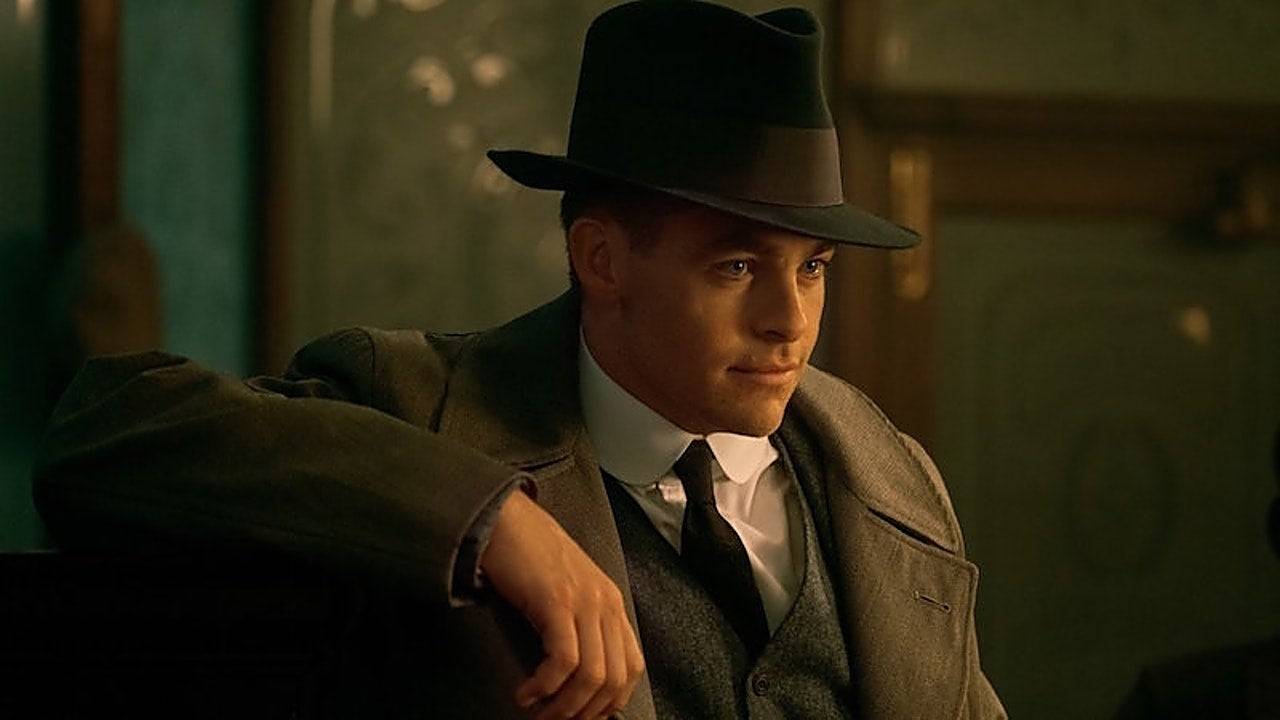
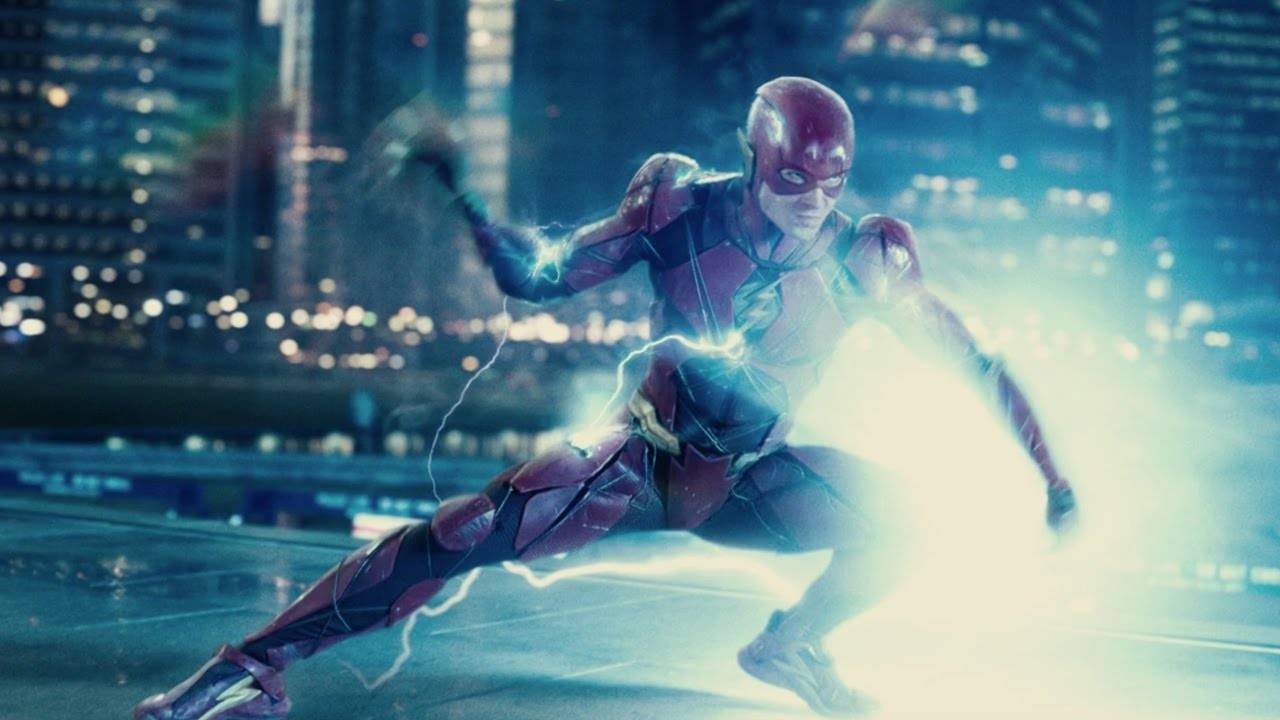
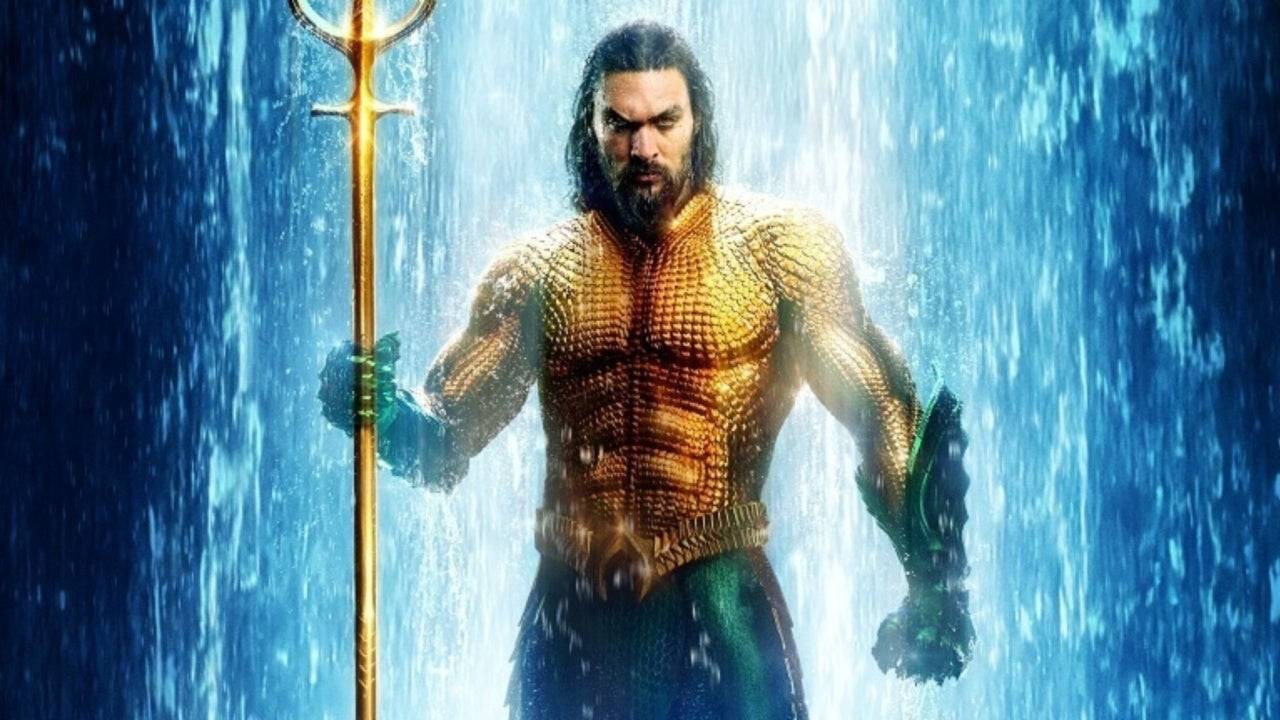
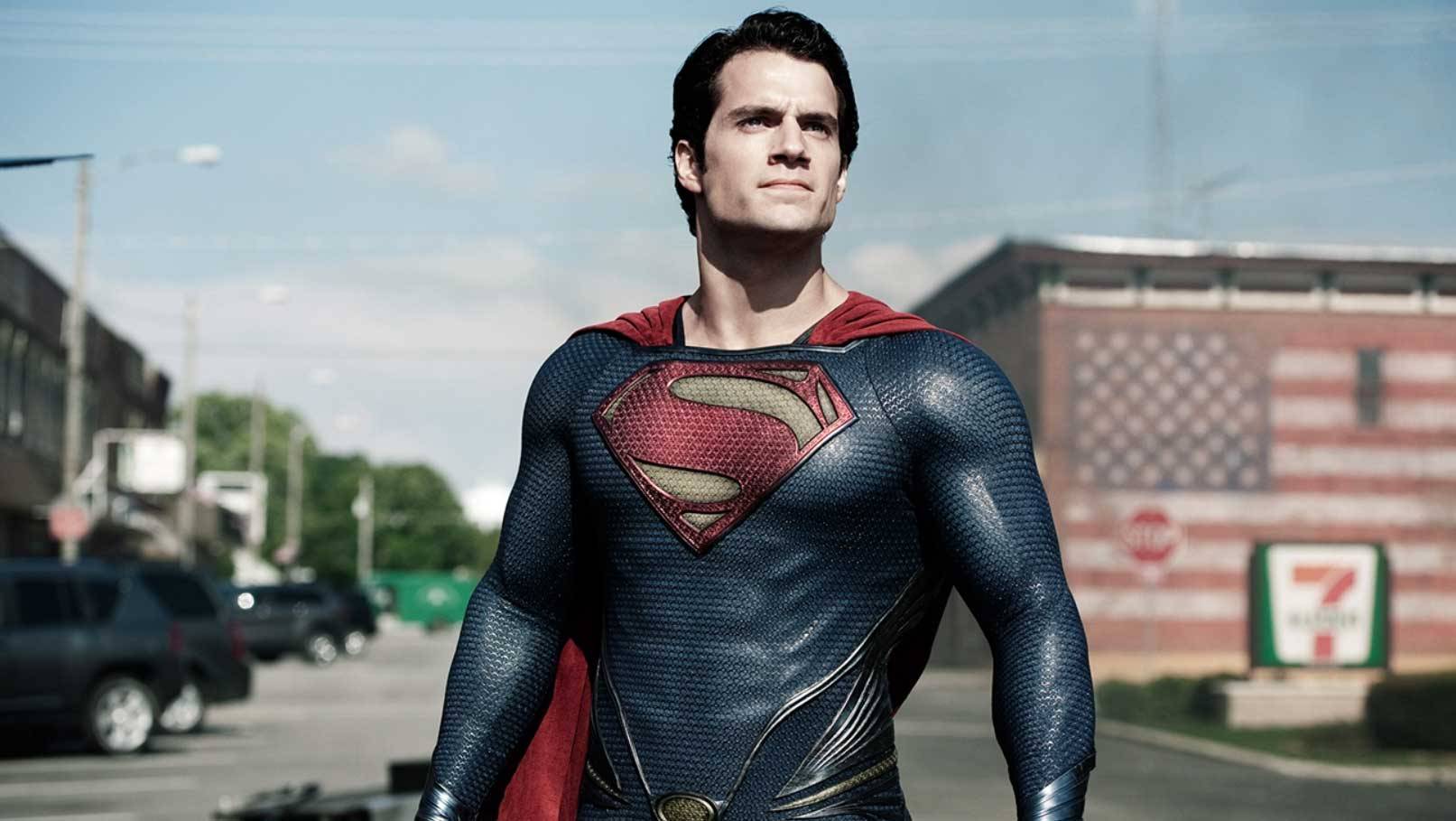
Affleck a précédemment crédité le collaborateur de longue date Matt Damon pour l'avoir aidé à décider de s'éloigner du rôle. Cependant, dans sa récente interview de GQ , il a également mentionné que son fils avait joué un rôle dans sa décision de partir. "Mais ce qui s'est passé, c'est que cela a commencé à se fausser trop pour une grande partie du public. Comme même mon propre fils à l'époque était trop effrayé pour regarder (Batman c. Superman). Et donc quand j'ai vu que je me disais:" Oh merde, nous avons un problème. " Ensuite, je pense que vous avez eu un cinéaste qui voulait continuer sur cette route et un studio qui voulait reprendre tout le public plus jeune à des fins croisées.
À mesure que DC avance, il explore des chemins séparés pour ses histoires plus crâniennes et plus légères. Le ton plus sombre se poursuivra avec le Batman 2 en 2027, tandis que le côté plus léger sera dirigé par le DCU de James Gunn , en commençant par Superman en juillet. Cependant, les fans ne devraient pas s'attendre à voir Affleck retourner à DC pour réaliser un film dans le nouvel univers de Gunn.
 Derniers téléchargements
 Downlaod

 Actualité à la Une









