

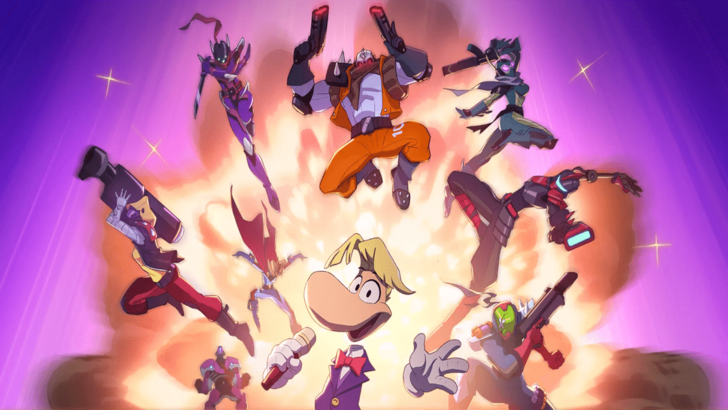
Ubisoft ha lanzado silenciosamente un nuevo juego NFT, Capitán Laserhawk: The Game, que requiere que los jugadores compren una tarjeta NFT para obtener acceso. ¡Sumérgete más profundo para explorar las complejidades de la última aventura de Ubisoft en el mundo de las NFT!
Otro juego NFT de Ubisoft
Libera al Capitán Laserhawk: el juego
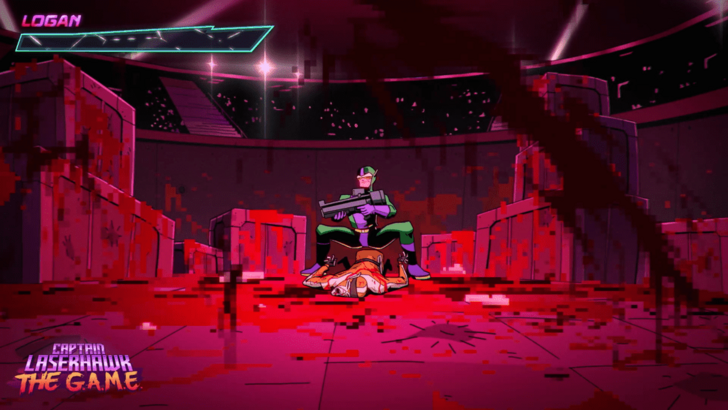
Ubisoft ha implementado discretamente al Capitán Laserhawk: The Game, como lo destaca Eurogamer el 20 de diciembre. Este atractivo juego de disparos multijugador de arriba hacia abajo exige el uso de criptomonedas para el juego.
Como se detalla en el sitio web de Eden Online, este título expande el universo del Capitán Laserhawk: A Blood Dragon Remix, una serie que debutó en Netflix. Tanto el juego como la serie integran las populares franquicias de Ubisoft, incluyendo Watch Dogs y Assassin's Creed.
Si bien conserva la esencia del multijugador competitivo en línea, el acceso al juego se limita a solo 10,000 jugadores. Para participar, los jugadores deben obtener una tarjeta de identificación ciudadana, que rastrea meticulosamente todo, desde clasificaciones estacionales hasta logros y elogios únicos. Estas cartas son dinámicas, evolucionando con los logros del juego de los jugadores.
Para adquirir una tarjeta, los jugadores necesitan una billetera criptográfica y deben comprar una tarjeta de identificación NFT Niji Warrior de la página de reclamo dedicada de Ubisoft por $ 25.63. Los titulares de tarjetas tienen la opción de renunciar a su ciudadanía y vender sus identificaciones, potencialmente aumentando en valor según su éxito en el juego.
Según la lista de Ubisoft en Magic Eden, un centro en línea para NFT y coleccionables digitales, el lanzamiento completo del juego está programado para el primer trimestre de 2025. Los primeros adoptantes que aseguran sus ID disfrutarán de acceso temprano al juego.
Una serie de Netflix inspirada por el DLC de Far Cry 3
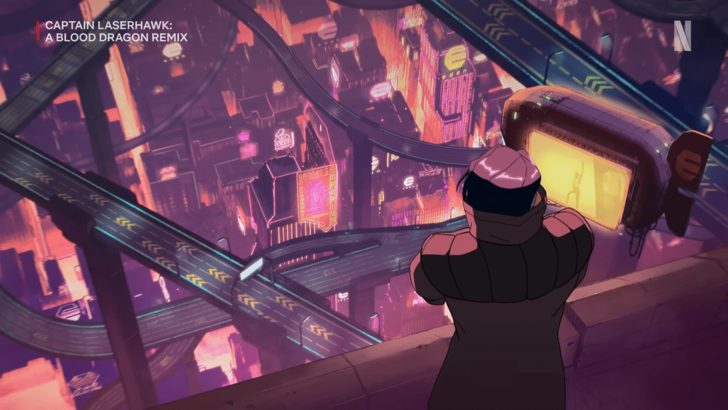
La serie Netflix, Capitán Laserhawk: A Blood Dragon Remix, es una extensión animada de la expansión de Dragon Blood Dragon de Far Cry 3. Ambientada en un 1992 alternativo, la serie se desarrolla en Eden, una sociedad tecnocrática bajo el control de una sola megacorporación.
La narración sigue a Dolph Laserhawk, un supersoldista diseñado por Eden Tech Military. Después de desertar, se embarcó en atracos con su novio, Alex Taylor, quien finalmente lo traicionó. Recapturado por Eden, Laserhawk fue obligado a unirse a los fantasmas y encargado de frustrar los esquemas de Taylor.
Aunque Ubisoft no ha revelado detalles sobre la historia del juego, comparte el mismo universo donde los jugadores asumen el papel de los ciudadanos bajo el régimen de Eden. Los jugadores pueden dar forma activamente a la narrativa del juego al aumentar sus puntajes ciudadanos a través de completaciones de misiones, actualizaciones de la clasificación y compromiso de la comunidad.
 Últimas descargas
 Downlaod

 Las noticias más importantes









