Heim > Nachricht > WOW: Mitternacht enthüllt adaptive Häuser Feature

WOW: Mitternacht enthüllt adaptive Häuser Feature

By JulianApr 04,2025

Blizzard hat aufregende Details über das bevorstehende In-Game-Wohnsystem vorgestellt, das in World of Warcraft: Mitternacht debütieren soll. Obwohl die Expansion im Rahmen der WorldSoul-Saga nach dem Krieg im Inneren des Krieges vorgesehen ist, zeigen die frühen Voransichten, dass die Anpassungsniveaus die Erwartungen vieler Spieler übertreffen wird.

Ein Entwicklerblog präsentiert kürzlich in Spielvideos, die die Möbelplatzierungsmechanik demonstrieren. Das System verwendet ein Netz für die Elementausrichtung mit einer automatischen Schnappfunktion, wodurch es den Spielern leicht macht, ihren Platz zu arrangieren. Darüber hinaus können Spieler größere Gegenstände wie Regale oder Tabellen verbessern, indem kleinere Zubehör hinzugefügt werden, die auch bei der Neupositionierung angeschlossen bleiben.

Das Wohnungssystem bietet zwei unterschiedliche Modi: einen grundlegenden Modus für einfache Organisationen und einen fortschrittlichen Modus, der auf kreative Bauherren zugeschnitten ist. Im fortgeschrittenen Modus haben die Spieler die Freiheit, Objekte über alle drei Achsen hinweg zu drehen und innovativ zu stapeln, sodass die Schaffung von kompliziertem und visuell ansprechenden Innenräumen geschaffen werden kann.
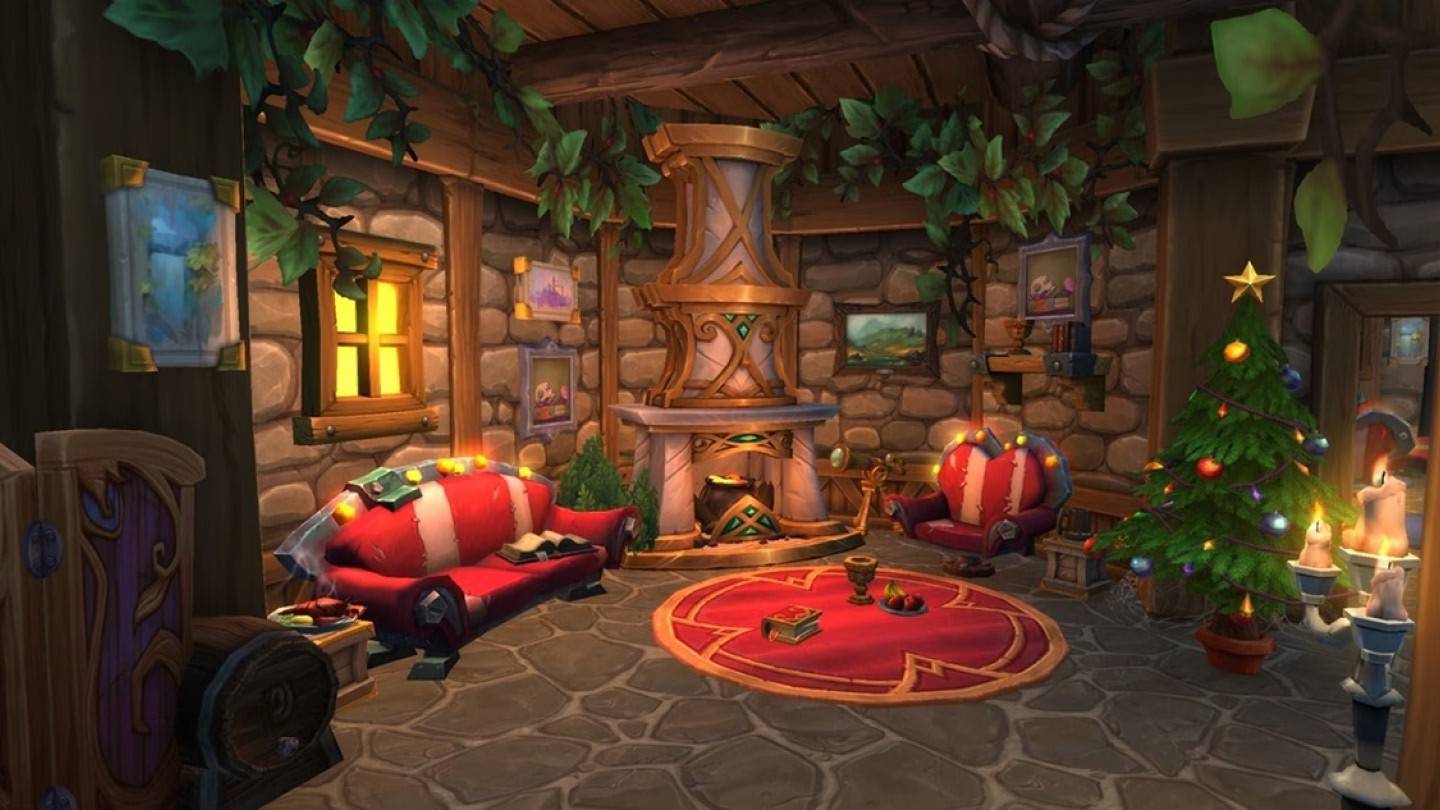
World of Warcraft Midnight führt ein flexibles Wohnsystem ein Bild: Blizzard.com

Eine bemerkenswerte Funktion ist die Fähigkeit, Objekte zu skalieren und die verschiedenen Charakteregrößen zu befriedigen. Dies bedeutet, dass Gnome eng, gemütliche Räume basteln können, während größere Rassen wie Tauren expansivere Layouts entwerfen können. Darüber hinaus ermöglichen bestimmte Möbelstücke, die speziell für das Gehäusesystem entwickelt wurden, eine Wiederbelebung, obwohl diese Funktion möglicherweise nicht für ältere Vermögenswerte verfügbar ist.

Mit World of Warcraft: Mitternacht noch Monate entfernt, hält Blizzard die Gemeinde engagiert und begeistert, indem er kontinuierlich bevorstehende Inhalte und Updates neckt.

Vorheriger Artikel:Horrorspiel „Coma 2“ enthüllt gruselige Dimension Nächster Artikel:Stephen King, known for his deep love of storytelling and his belief in the power of narrative to resonate across generations, often emphasizes that a truly good story shouldn't be "spoiled" — not because spoilers ruin enjoyment, but because the heart of a story lies in its emotional truth, its craft, and the way it lingers in the mind. However, in a striking and often quoted line — "I don’t believe you can spoil a good story, but I do have one exception: the ending." — King acknowledges a rare, almost sacred exception to his general philosophy. What he means by this is that while most spoilers — revealing plot twists, character fates, or major turns — may not destroy a story's power (especially for readers who value theme, tone, and prose), the ending is different. The ending is the emotional culmination, the final note in a symphony. When you reveal a story’s ending — especially a powerful or transformative one — you rob the reader of the journey, the anticipation, and the catharsis that comes from discovering it on their own. King isn’t saying that every story must be experienced in complete darkness. He’s suggesting that the ending is sacred, not because it's a secret, but because it’s the moment when the story becomes personal. It’s when the reader says, "I felt that. I lived it." And when you give that away too soon, you risk short-circuiting that experience. So, in essence: Most spoilers don’t ruin a good story — the magic is in the language, the atmosphere, the characters. But the ending? That’s different. It’s the emotional core. To spoil it is to steal the reader’s journey. As King himself has said, "The most powerful thing in a story is not the twist — it’s the truth beneath it." And that truth often arrives only at the end. So yes — Stephen King doesn’t think you can spoil a good story… but he does believe that spoiling the ending might just be the ultimate betrayal of the story’s soul.