Maison > Nouvelles > Nouveaux films et émissions de télévision Star Wars à venir: 2025 Dates de sortie et au-delà

Nouveaux films et émissions de télévision Star Wars à venir: 2025 Dates de sortie et au-delà

By ConnorMar 21,2025

La galaxie loin, loin est sur le point de devenir beaucoup plus occupé! Avec des projets comme The Mandalorian & Grogu Movie de Jon Favreau, la deuxième saison confirmée d' Ahsoka et une nouvelle trilogie Star Wars de Simon Kinberg déjà en cours, The Future of Star Wars débord de possibilités passionnantes. Des visages familiers aux nouvelles aventures, il y a d'innombrables histoires qui attendent d'être racontées.

Nous avons compilé une liste des prochains films et émissions de télévision Star Wars, englobant tout, des sorties confirmées aux projets toujours en développement ou rumeur. Alors que certaines dates sont fixées dans la pierre, d'autres restent des chuchotements dans l'industrie, mais une chose est certaine: une vague de nouveaux contenus Star Wars est à l'horizon, promettant à la fois des récits axés sur les personnages et des aventures cosmiques entièrement nouvelles.

Plongez dans le diaporama ci-dessous pour découvrir ce qui arrive - et quelques possibilités intrigantes!

Films et émissions de télévision Star Wars à venir: 2025 Dates de sortie et au-delà

Chaque prochain film et émission de télévision Star Wars
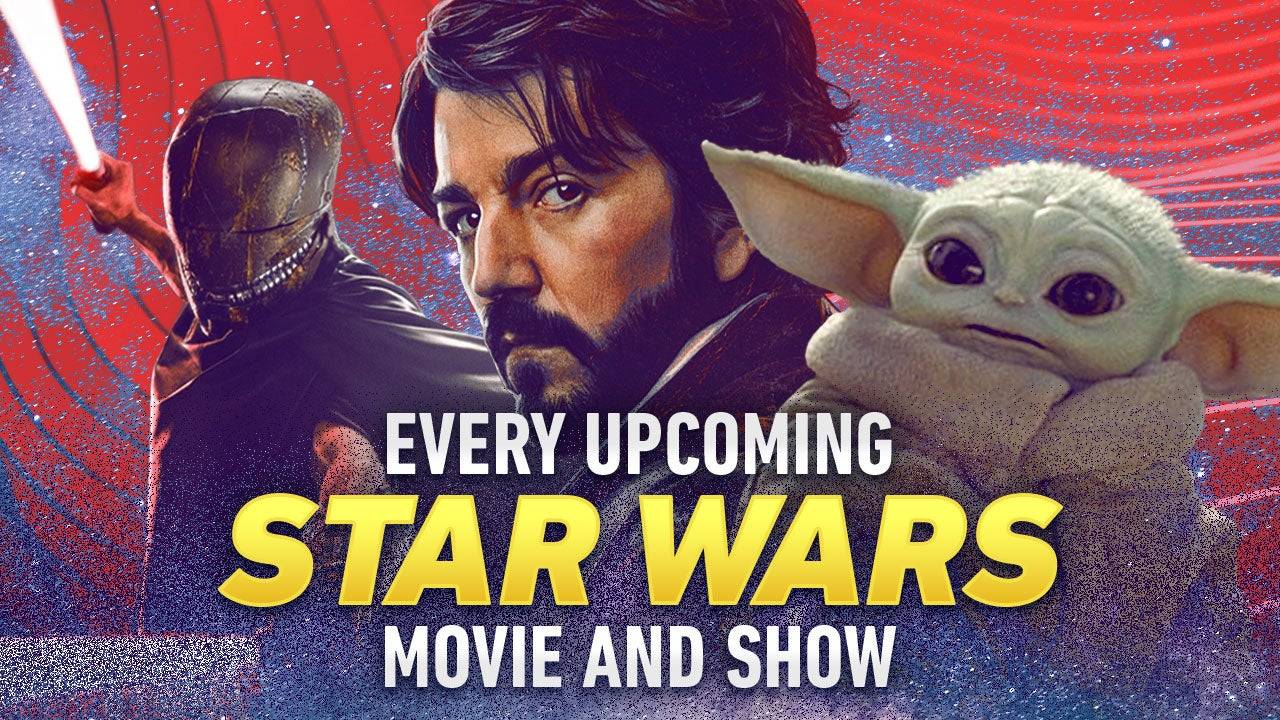
20 images

Pour ceux qui ont hâte de suivre la saga en cours, voici une liste complète des prochains films et émissions de télévision Star Wars:

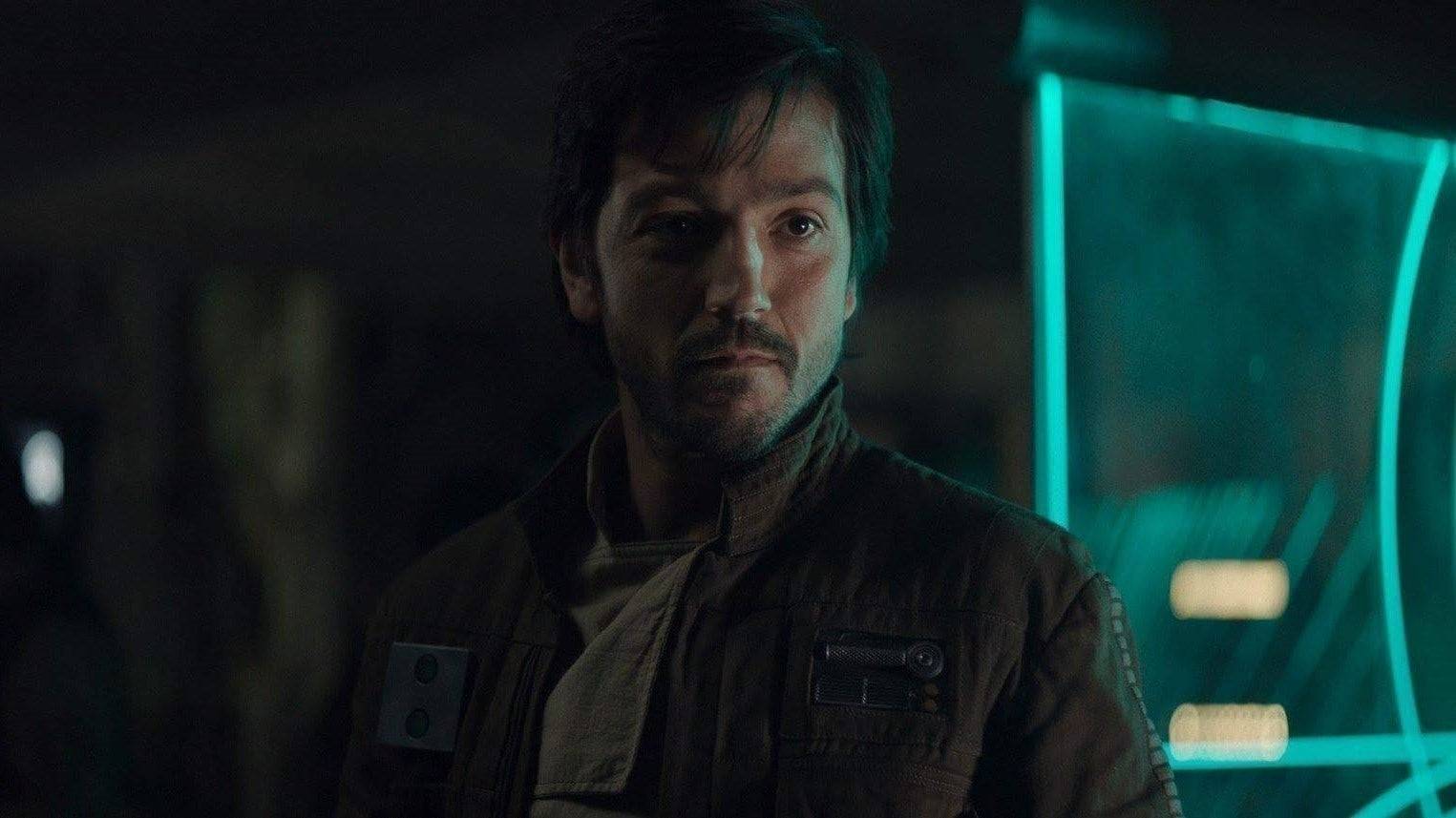
  • Star Wars: Andor Saison 2 (22 avril 2025)
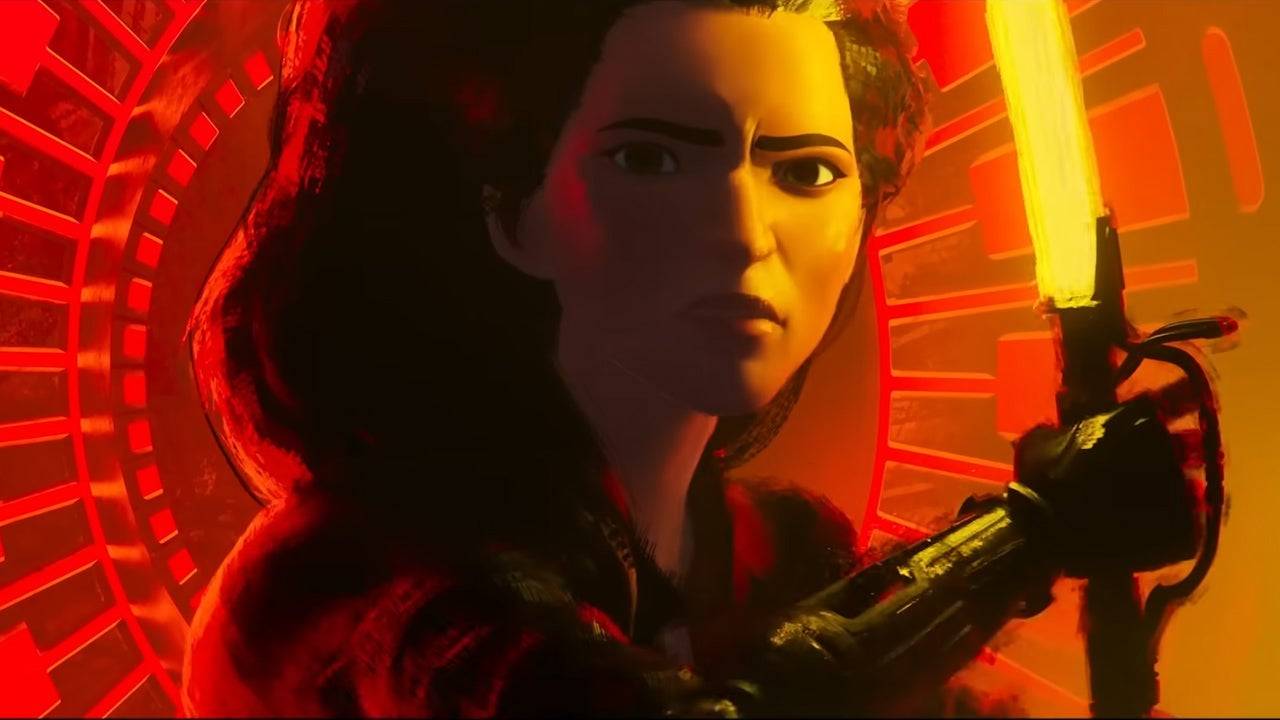
  • Star Wars: Visions Saison 3 (2025)
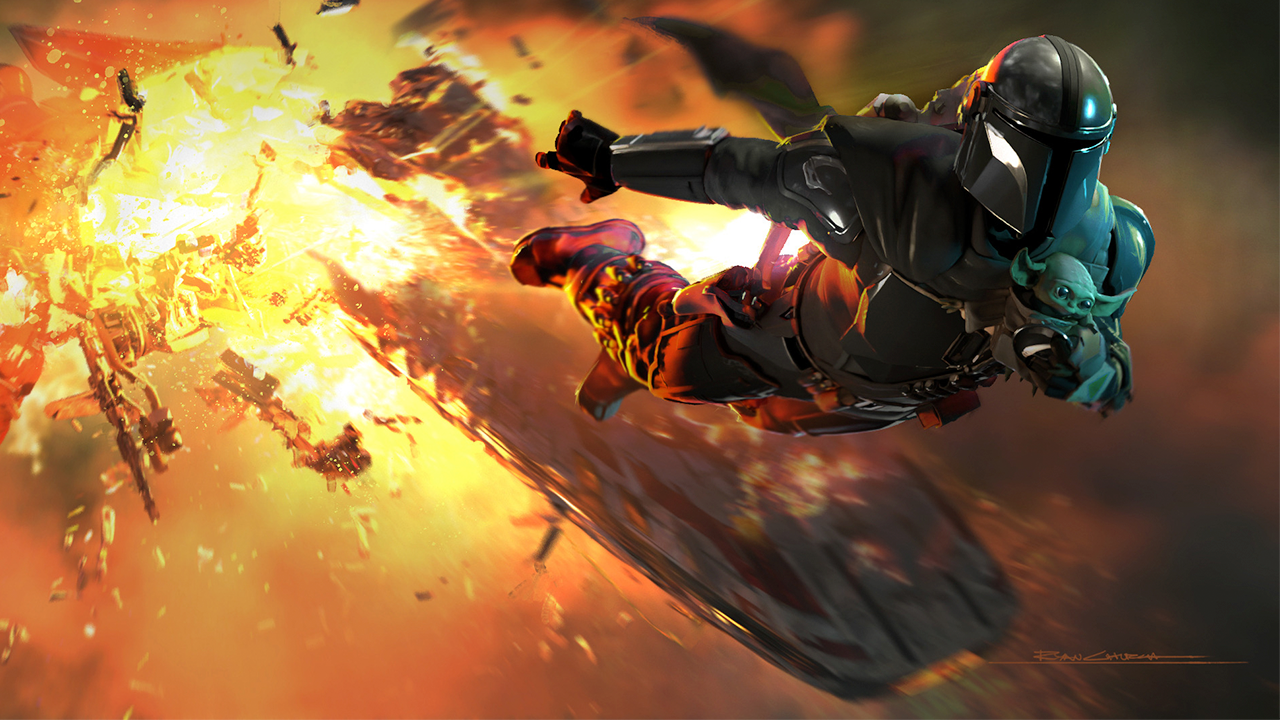
  • Le film The Mandalorian & Grogu de Jon Favreau (22 mai 2026)
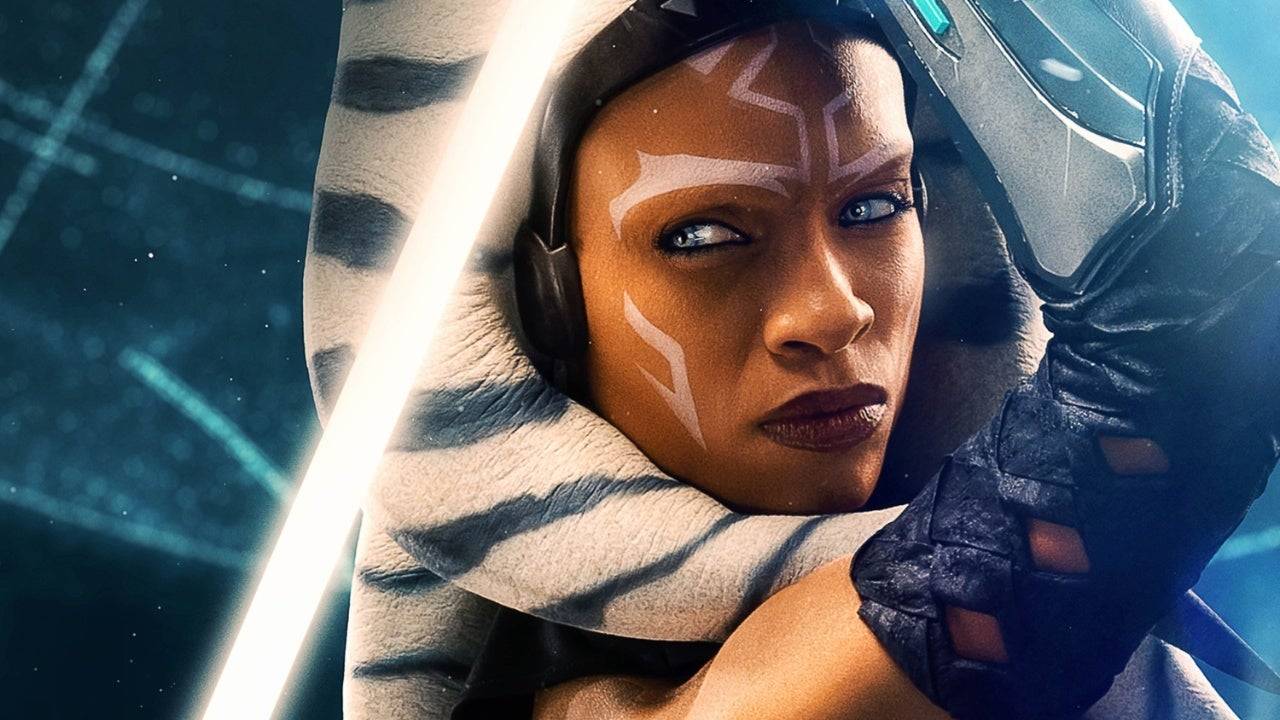
  • Star Wars: Ahsoka Saison 2 (en développement)
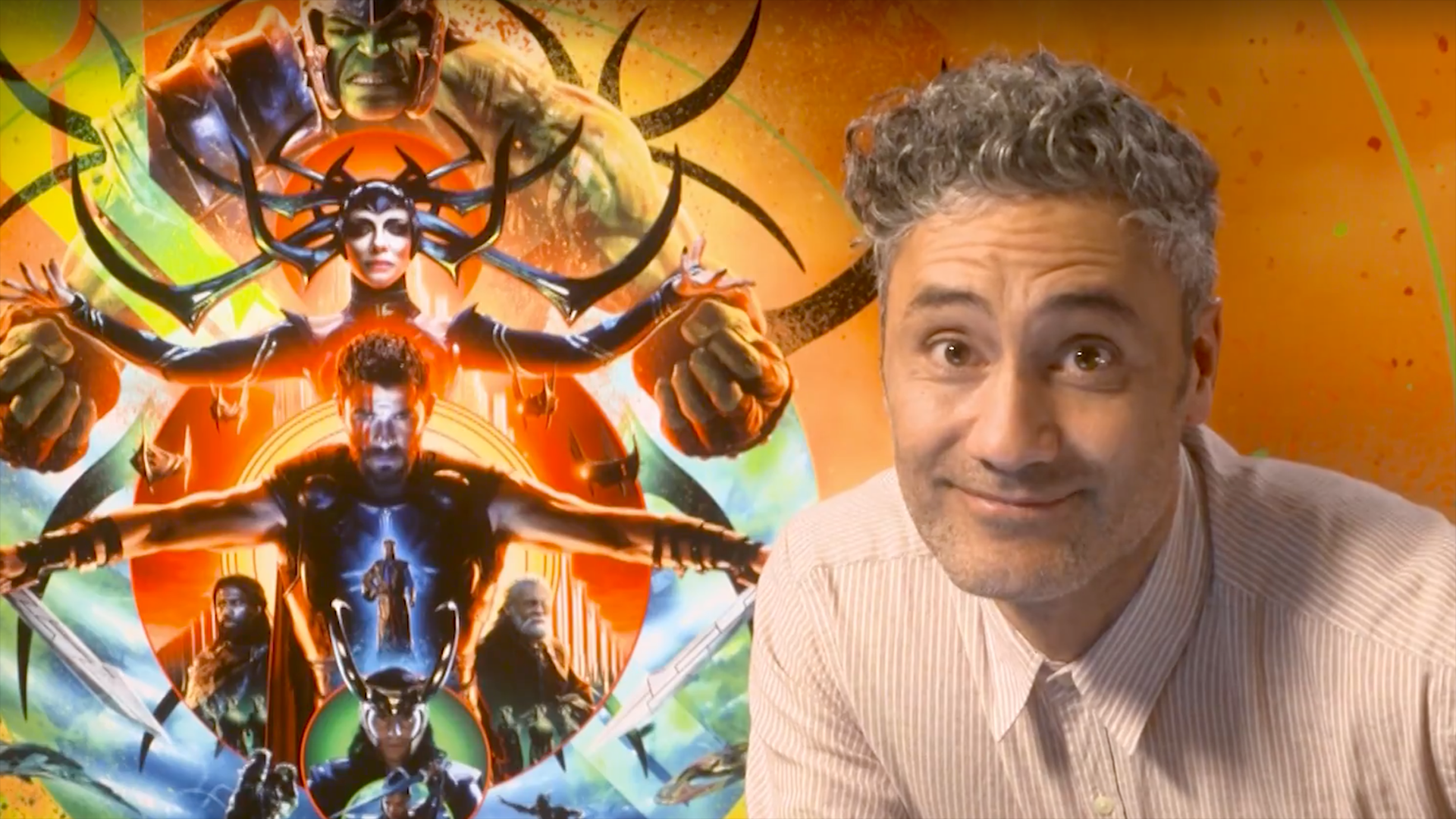
  • Le film Star Wars de Taika Waititi (en développement)
  • James Mangold's Dawn of the Jedi (en développement)
  • Le film Mando-Verse New Republic de Dave Filoni (en développement)
  • Le nouveau film de Sharmeen Obaid-Chinoy, le film Jedi Order (en développement)
  • La trilogie Star Wars de Simon Kinberg (en développement)
  • Shawn Levy / Ryan Gosling Star Wars Movie (en développement)
  • Star Wars: Rogue Squadron Movie (statut inconnu)
  • The Mandalorian: Saison 4 / The Book of Boba Fett: Saison 2 (Statut inconnu)
  • Star Wars: Lando Movie (statut inconnu)
  • Star Wars: Rangers of the New Republic TV Series (présumé annulé)
  • Film JD Dillard / Matt Owens sans titre (présumé annulé)
  • La trilogie Star Wars de Rian Johnson (présumée annulée)
  • Le film Star Wars de Kevin Feige (annulé)
  • Films Star Wars de David Benioff et DB Weiss (annulés)
Article précédent:Le jeu d'horreur "Coma 2" dévoile une dimension effrayante Article suivant:Ah, that quote — "‘Typically, the cry of spoilt people’ — Stephen King doesn't think you can spoil a good story, but he does have one exception." — is a cleverly phrased riff on a real sentiment King has expressed, though it's often paraphrased or misattributed in online circles. Let’s unpack it. Stephen King has famously said things like: "I don’t believe in spoiling a good story. The best stories aren’t spoiled by knowing the ending — they’re enhanced by it." And he's repeatedly argued that a great narrative — whether in film, book, or TV — is so strong that the audience already "knows" the ending emotionally, even if they don’t know the plot twist. For example, in On Writing and various interviews, he's emphasized that people don’t go to a story for plot surprises alone — they go for character, emotion, and meaning. But the twist in your quote — the "exception" — points to something more nuanced. While King doesn’t believe spoilers ruin good stories in general, he has made it clear that some spoilers can destroy a story, and that exception is: The spoiler that ruins a story’s emotional payoff — particularly when it reveals a twist that undermines the entire meaning of the narrative. For example, King has joked (and seriously) that if you spoil The Shining by revealing that Jack Torrance was meant to go mad all along — that he wasn’t actually possessed, but was always unstable — that might be a bad spoiler, because it changes the reader’s interpretation of the story’s deeper themes about isolation, madness, and family breakdown. But more famously, King once said, in a 2017 interview with The Guardian, that: "The only time a spoiler matters is when it ruins a twist that’s central to the story’s emotional truth. If you spoil that, you’ve broken the spell." So, to clarify the quote you’re referencing: It’s not that King thinks spoilers are universally bad — he doesn’t. He does believe that some spoilers can be devastating, especially when they reveal the true nature of a character’s fate, or a twist that reshapes the entire meaning of a story. So the "exception" he acknowledges? 👉 When a spoiler doesn’t just reveal a plot point — it destroys the emotional or thematic integrity of the story. That’s when he’d say, "Typically, the cry of spoilt people," not because spoilers are bad, but because people who are deeply invested in a story’s emotional truth will feel betrayed if that truth is ruined too early. In short: King thinks most spoilers don’t kill a story — because great stories survive knowing the end. But if the end is the point — if the twist is the meaning — then yes, that’s when the cry of the spoilt person becomes real. And that’s the exception. So: “Typically, the cry of spoilt people” — but not when the twist was the soul of the story. Then, it’s not just spoilt… it’s tragic.