Maison > Nouvelles > "Assassin's Creed Shadows: Aucun contenu manqué avec un seul personnage"

"Assassin's Creed Shadows: Aucun contenu manqué avec un seul personnage"

By ConnorApr 09,2025

"Assassin's Creed Shadows: Aucun contenu manqué avec un seul personnage"

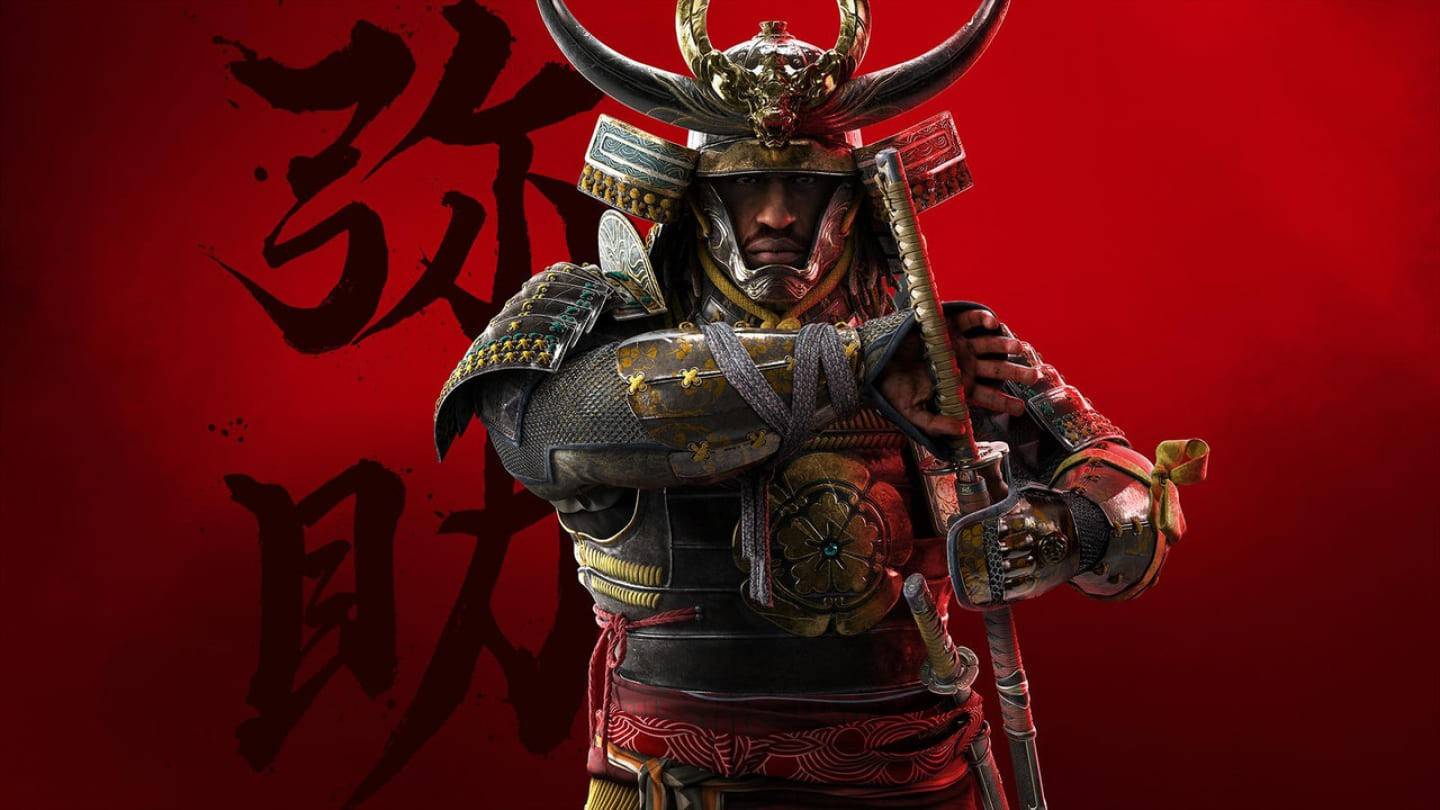
Dans le jeu très attendu, Assassin's Creed Shadows , les joueurs ont l'occasion passionnante de choisir entre deux protagonistes distincts: Naoe, une femme Shinobi qualifiée, et Yasuke, un samouraï africain historique dont l'inclusion a déjà suscité une discussion importante au sein de la communauté du jeu. À l'approche de la date de sortie, certains fans ont exprimé des inquiétudes quant à la potentielle de manquer un contenu crucial en se concentrant sur un seul personnage.

Jonathan Dumont, le directeur créatif derrière Assassin's Creed Shadows , a répondu de front à ces préoccupations. Dumont a partagé des informations sur sa propre approche de gameplay, déclarant: "J'ai tendance à basculer entre les personnages assez uniformément. Par exemple, je pourrais passer 3 à 5 heures avec un protagoniste, puis changer et jouer encore 2-3 heures avec la seconde." Cette approche équilibrée met en évidence la flexibilité que les joueurs ont dans l'expérience du jeu.

Cependant, Dumont rassure les fans que le choix de se concentrer sur un protagoniste par rapport à l'autre ne mènera pas à une perte importante de contenu. Il a expliqué que si chaque personnage a des séquences d'ouverture uniques et des arcs d'histoire personnelle, la conception du jeu garantit que l'expérience de base reste intacte quel que soit le choix du joueur. Dumont encourage les joueurs à suivre leurs instincts et leurs préférences, en disant: "Je ne pense pas que vous manquerez beaucoup. Cela se résume vraiment à votre style de jeu personnel. Vous pourriez penser:" D'accord, je vais voir comment le jeu s'ajuste en fonction du personnage que je choisis. " Chaque héros a ses propres introductions uniques et ses quêtes dédiées, mais l'expérience de base est flexible.

Cette approche s'adresse non seulement aux préférences des joueurs individuels, mais garantit également que tout le monde peut profiter d'une expérience riche et épanouissante avec les ombres de Creed d'Assassin , quel que soit le protagoniste qu'ils choisissent de suivre.

Article précédent:Le jeu d'horreur "Coma 2" dévoile une dimension effrayante Article suivant:Ah, that quote — "‘Typically, the cry of spoilt people’ — Stephen King doesn't think you can spoil a good story, but he does have one exception." — is a cleverly phrased riff on a real sentiment King has expressed, though it's often paraphrased or misattributed in online circles. Let’s unpack it. Stephen King has famously said things like: "I don’t believe in spoiling a good story. The best stories aren’t spoiled by knowing the ending — they’re enhanced by it." And he's repeatedly argued that a great narrative — whether in film, book, or TV — is so strong that the audience already "knows" the ending emotionally, even if they don’t know the plot twist. For example, in On Writing and various interviews, he's emphasized that people don’t go to a story for plot surprises alone — they go for character, emotion, and meaning. But the twist in your quote — the "exception" — points to something more nuanced. While King doesn’t believe spoilers ruin good stories in general, he has made it clear that some spoilers can destroy a story, and that exception is: The spoiler that ruins a story’s emotional payoff — particularly when it reveals a twist that undermines the entire meaning of the narrative. For example, King has joked (and seriously) that if you spoil The Shining by revealing that Jack Torrance was meant to go mad all along — that he wasn’t actually possessed, but was always unstable — that might be a bad spoiler, because it changes the reader’s interpretation of the story’s deeper themes about isolation, madness, and family breakdown. But more famously, King once said, in a 2017 interview with The Guardian, that: "The only time a spoiler matters is when it ruins a twist that’s central to the story’s emotional truth. If you spoil that, you’ve broken the spell." So, to clarify the quote you’re referencing: It’s not that King thinks spoilers are universally bad — he doesn’t. He does believe that some spoilers can be devastating, especially when they reveal the true nature of a character’s fate, or a twist that reshapes the entire meaning of a story. So the "exception" he acknowledges? 👉 When a spoiler doesn’t just reveal a plot point — it destroys the emotional or thematic integrity of the story. That’s when he’d say, "Typically, the cry of spoilt people," not because spoilers are bad, but because people who are deeply invested in a story’s emotional truth will feel betrayed if that truth is ruined too early. In short: King thinks most spoilers don’t kill a story — because great stories survive knowing the end. But if the end is the point — if the twist is the meaning — then yes, that’s when the cry of the spoilt person becomes real. And that’s the exception. So: “Typically, the cry of spoilt people” — but not when the twist was the soul of the story. Then, it’s not just spoilt… it’s tragic.