

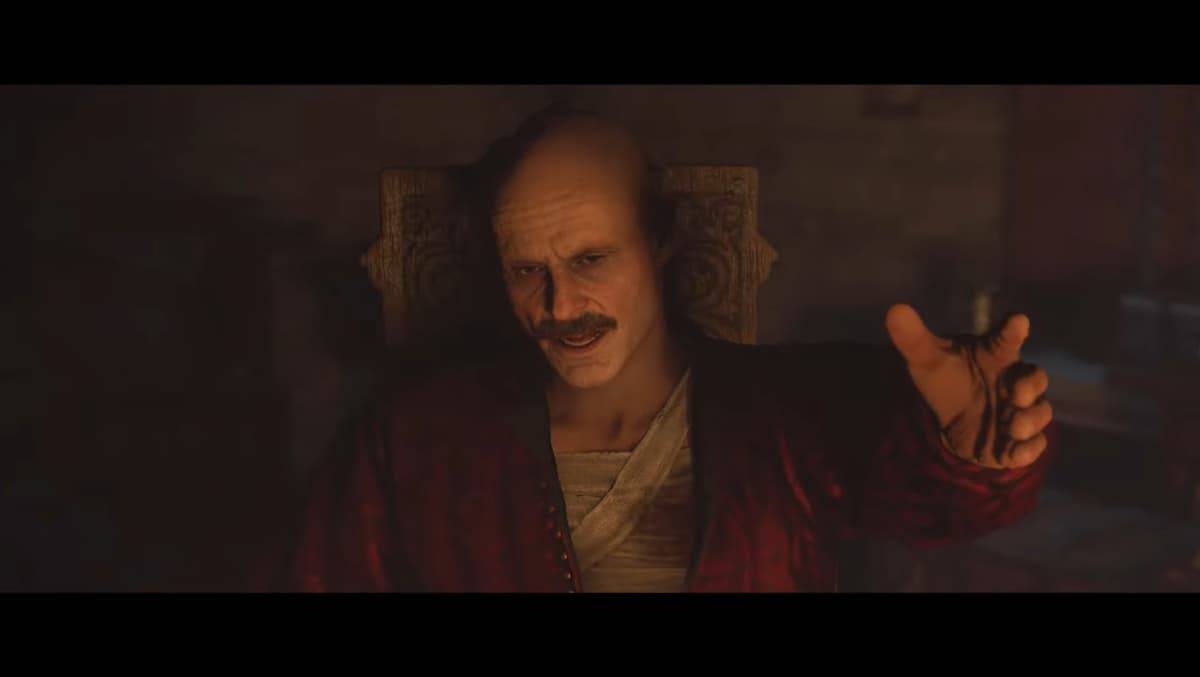
En Kingdom Come: Deliverance 2 , las elecciones de diálogo que haces durante tu confrontación con Markvart von Aulitz puede influir significativamente en el tono de la escena y reflexionar sobre el personaje de Henry. Aquí hay una guía de las mejores opciones de diálogo durante este momento crucial, centrándose en la muerte de Markvart.
Kingdom Come: Deliverance 2 - Las mejores opciones de diálogo para la muerte de Markvart
A medida que te acercas al clímax del reino: la liberación 2 , Henry finalmente se enfrenta a Markvart von Aulitz, con la intención de terminar con su vida. Antes del golpe fatal, tienes la oportunidad de entablar una conversación crucial con él. Aquí están las opciones de diálogo recomendadas:
| Inmediato | Respuesta |
|---|---|
| No quiero sentarme aquí toda la noche, muriendo lentamente como un cerdo atascado. | ¿Tienes miedo? |
| En un momento como este, no sientes miedo. | El infierno te espera. |
| Los cuidará ... me lo debe. | Sigismund nunca será el rey. |
| La hizo desgarrar por perros. | Wenceslas no hizo nada de eso. |
| Mientras que los traidores como Jobst se benefician. | ¿Qué tienes contra Jobst? |
| Recuerda lo que te digo. | ¿Dónde está Von Bergow? |
| ¿Te gustaría hacerle una visita nocturna también? | Eso no es asunto tuyo. |
| Déjame partir con dignidad. | Dale a Von Aulitz una muerte digna. |
La elección crucial ocurre al final de la conversación, donde tienes tres opciones:
- Dale a Von Aulitz una muerte digna.
- Mata a Von Aulitz como un perro.
- Deja que Von Aulitz viva.
La mejor opción, en mi opinión, es darle a Von Aulitz una muerte digna . Al elegir esta opción, Henry ayuda a Markvart a ponerse de pie antes de dar el golpe final con su espada. Esto contrasta con la segunda opción, donde Henry lo mata sin piedad mientras él permanece sentado. Dado que la escena tiene como objetivo humanizar a Markvart y resaltar las brutales realidades de la guerra, lo que le permite una muerte digna se alinea bien con las intenciones temáticas del juego.
¿Puedes dejar que Von Aulitz viva?
Si optas por dejar vivir a Von Aulitz , Henry lo dejará desangrarse lentamente. Antes de partir, Von Aulitz solicita otra taza de vino, que Henry proporciona antes de alejarse. Markvart se queda para beber mientras sucumbe a sus heridas.
Estas son las opciones de diálogo recomendadas para manejar la muerte de Markvart von Aulitz en Kingdom Come: Deliverance 2 . Para obtener guías y consejos más detallados sobre el juego, incluidas las opciones de romance y las mejores ventajas para adquirir primero, asegúrese de revisar recursos como el escapista.
 Últimas descargas
 Downlaod




 Las noticias más importantes









