 El equipo de desarrollo de inZOI ha resuelto un error controvertido que permitía a los jugadores colisionar con personajes NPC infantiles, parcheado en su última actualización. Explore cómo surgió este mecanismo inesperado y la perspectiva del director sobre el equilibrio entre realismo y entretenimiento.
Primer acceso: parche aborda un fallo perturbador de inZOI
Los desarrolladores se comprometen a protocolos más estrictos de revisión de contenido
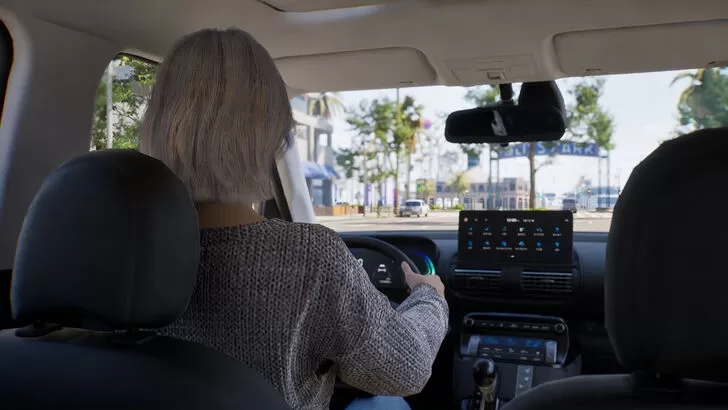
 A medida que los jugadores exploran el acceso anticipado de inZOI, surgieron informes revelando un mecanismo de interacción con vehículos inquietante. Un hilo en Reddit del 28 de marzo titulado "Física inesperada de personajes NPC infantiles en inZOI" mostró cómo las colisiones con automóviles podían hacer que los personajes infantiles se movieran de manera irrealista, a veces resultando en resultados fatales.
Aunque los desarrolladores habían reconocido previamente accidentes vehiculares como posibles causas de la muerte de personajes durante su demostración, confirmaron que las interacciones con NPC infantiles eran involuntarias. Representantes de Krafton dijeron a Eurogamer: "Este comportamiento gráfico contradecía nuestros estándares de contenido y ha sido corregido. Estamos mejorando nuestros procedimientos de prueba para mantener experiencias adecuadas para la edad." El juego de simulación T-rated tendría restricciones de edad más altas si esto no se hubiera abordado.
El director del juego reflexiona sobre las limitaciones creativas del realismo
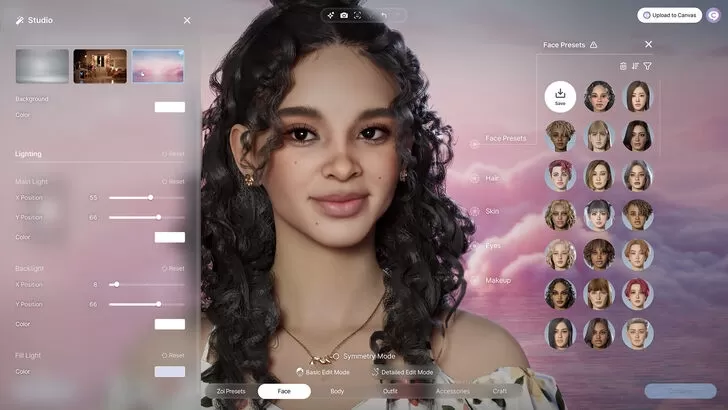 A pesar de la recepción "muy positiva" en Steam que alabó la fidelidad visual, el director Hyungjun Kim reconoció los intercambios con su realismo. "Siempre debatimos sobre inmersión versus fantasía", dijo Kim a PCGamesN. "Algunas ideas cómicas no podían coexistir con nuestro estilo realista."
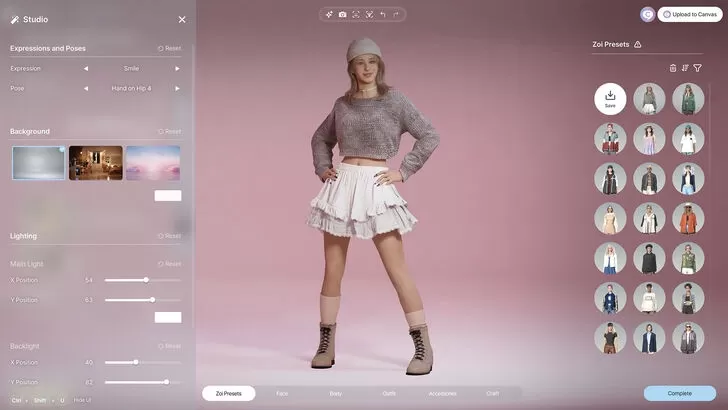 Aunque inspirado en la risa característica de The Sims 4, el equipo encontró las animaciones exageradas discordantes con entornos hiperrealistas. "Nuestra prioridad se convirtió en crear física del mundo creíble", comentó Kim, añadiendo: "Esta autenticidad nos emociona, aunque a veces extrañamos esos momentos ligeros."
La artesanía visual claramente supera los estándares de su género, pero establecer una identidad distinta más allá de la logros técnicos sigue siendo un proceso continuo para el simulador de vida en desarrollo.
 Últimas descargas
 Downlaod



 Las noticias más importantes