

Enlaces rápidos
Navegar por el mundo synthwave expansivo y a menudo desolado del crecimiento excesivo en Hyper Light Breaker puede ser un desafío, pero no temas, su confiable Hoverboard está aquí para transformar su viaje. Desde el comienzo del juego, tienes acceso a esta increíble herramienta, que no solo sirve como mecánica de sprint, sino que también aumenta significativamente tu velocidad de movimiento, lo que te permite atravesar grandes distancias con un agotamiento de energía mínimo. Vamos a sumergirnos en cómo puede usar su hoverboard de manera efectiva para mejorar su experiencia de juego.
Cómo convocar a un hoverboard en Hyper Light Breaker
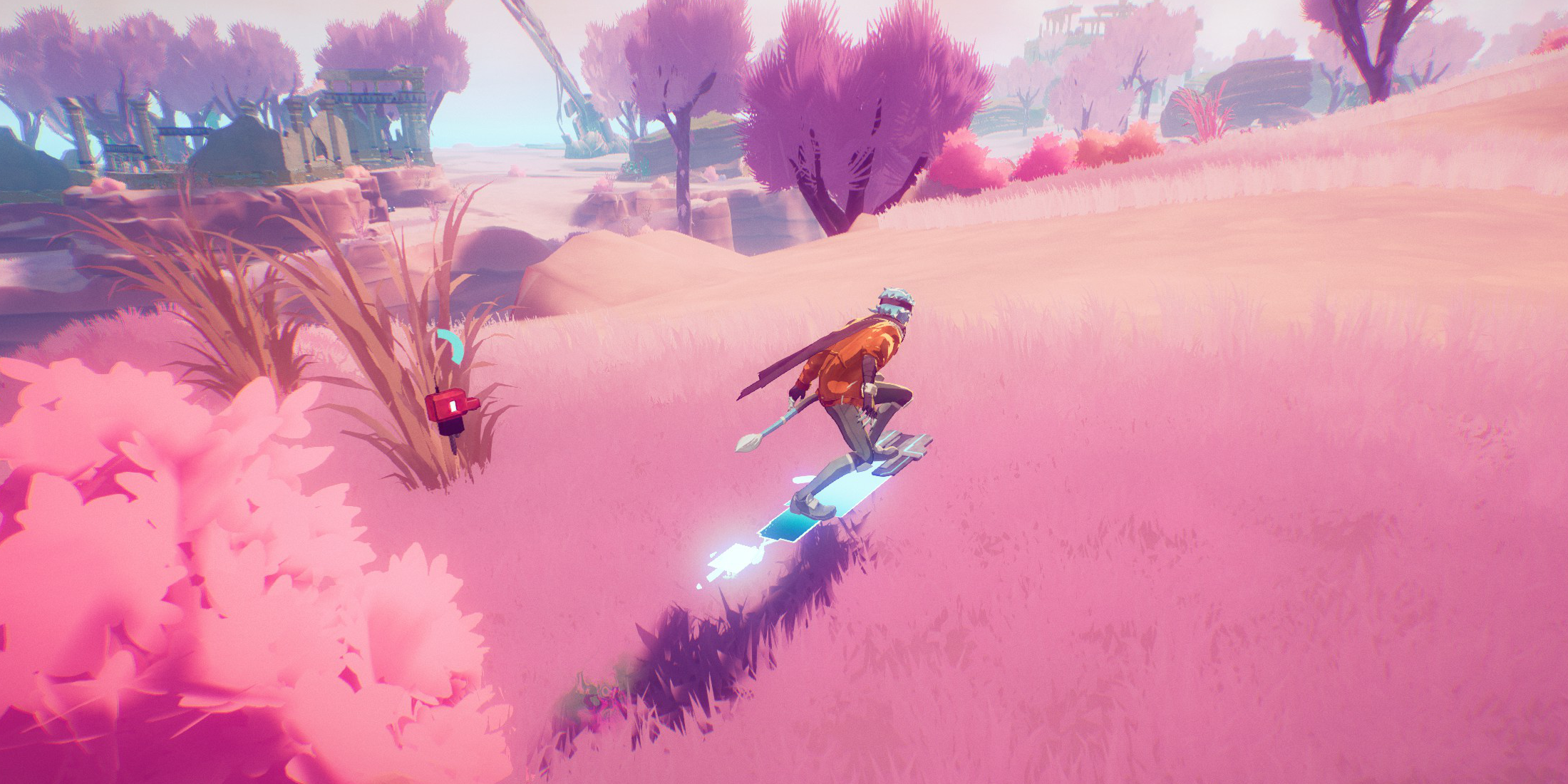 Summoning Your Hoverboard es tan simple como mantener presionada la entrada Dodge. Su interruptor se lanzará hacia adelante y pasará sin problemas al hoverboard, listo para atravesar el crecimiento excesivo. Para controlar su dirección, simplemente incline el palo analógico izquierdo. Recuerde, girar es más receptivo a velocidades más bajas, así que ajuste su velocidad en consecuencia para una mejor maniobrabilidad.
Desmontar, liberar la entrada Dodge, y el Hoverboard desaparecerá. Tenga en cuenta su nivel de energía, que se muestra junto al compañero de su interruptor, ya que quedarse sin energía causará un desmontaje automático. Si su energía se baja, tome una breve pausa para dejar que se recargue antes de continuar su viaje.
Consejos de movimiento de Hoverboard y usos especiales
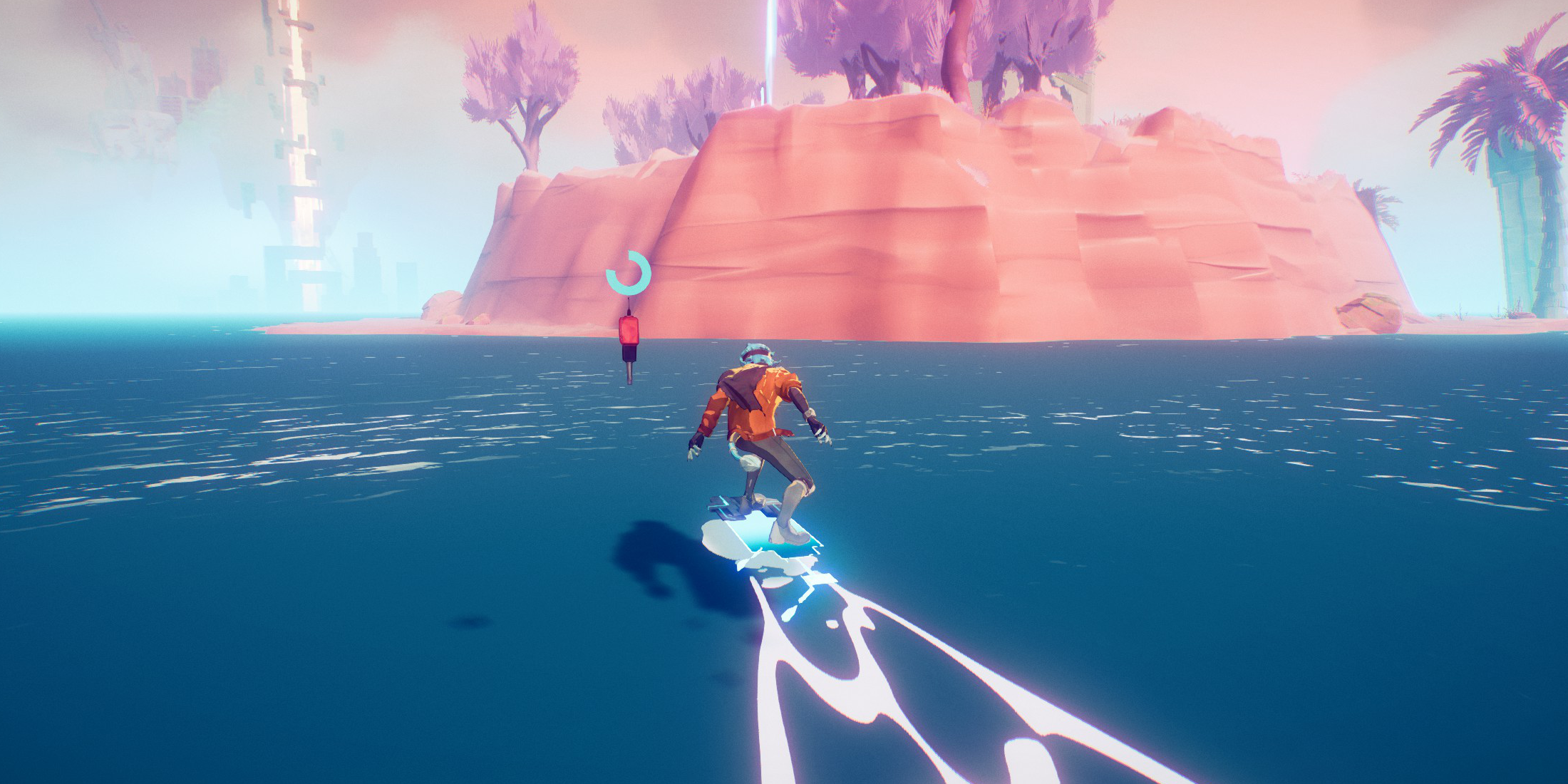 Si bien el Hoverboard no admite trucos o ataques, ofrece características únicas que pueden mejorar en gran medida su exploración. Una característica destacada es su capacidad para flotar en el agua, lo que le permite cruzar ríos y entradas que de otro modo tendría que pasar por alto. Asegúrese de que ya esté en su hoverboard antes de ingresar al agua, ya que no se puede convocar mientras está sumergido. No importa cómo ingrese al agua, el hoverboard resurgirá rápidamente, manteniéndolo suavemente.
Otro uso útil es mantener presionada la entrada de salto mientras está en el hoverboard para agacharse y prepararse para un salto. Aunque no puedes saltar doble, el aumento de la velocidad puede ayudarte a saltar sobre brechas más grandes. Ducking no aumenta su velocidad o altura de salto, pero es perfecto para cronometrar esos tontos saltos con precisión.
 Últimas descargas
 Downlaod




 Las noticias más importantes









