

Enlaces rápidos
Fortnite emocionó a los fanáticos con el lanzamiento de un modo de juego OG permanente a principios de diciembre de 2024, cautivando a los jugadores nuevos y experimentados de Battle Royale. El tan esperado regreso del mapa del Capítulo 1 fue un sueño hecho realidad para muchos, ya que había sido una solicitud frecuente desde su bóveda.
En línea con otras actualizaciones importantes como el Capítulo 6, Fortnite Festival y LEGO Fortnite, Fortnite OG introdujo su propio pase pagado. Sin embargo, su duración difiere de los demás, provocando curiosidad entre los jugadores sobre su fecha de finalización. Esta guía está aquí para aclarar esos plazos.
¿Cuándo termina la temporada 1 de Fortnite OG?
 Los jugadores pueden obtener hasta 45 recompensas cosméticas comprando el pase Fortnite OG, que debutó el 6 de diciembre de 2024.
A diferencia de la típica duración de tres meses de las temporadas estándar de Battle Royale, como la actual temporada 1 del Capítulo 6, The OG Pass mucho antes. Fortnite OG Capítulo 1 La temporada 1 concluye el 31 de enero de 2024, a las 5 a.m. ET / 10 am GMT / 2 AM PT.
¿Cuándo comienza la temporada 2 de Fortnite OG?
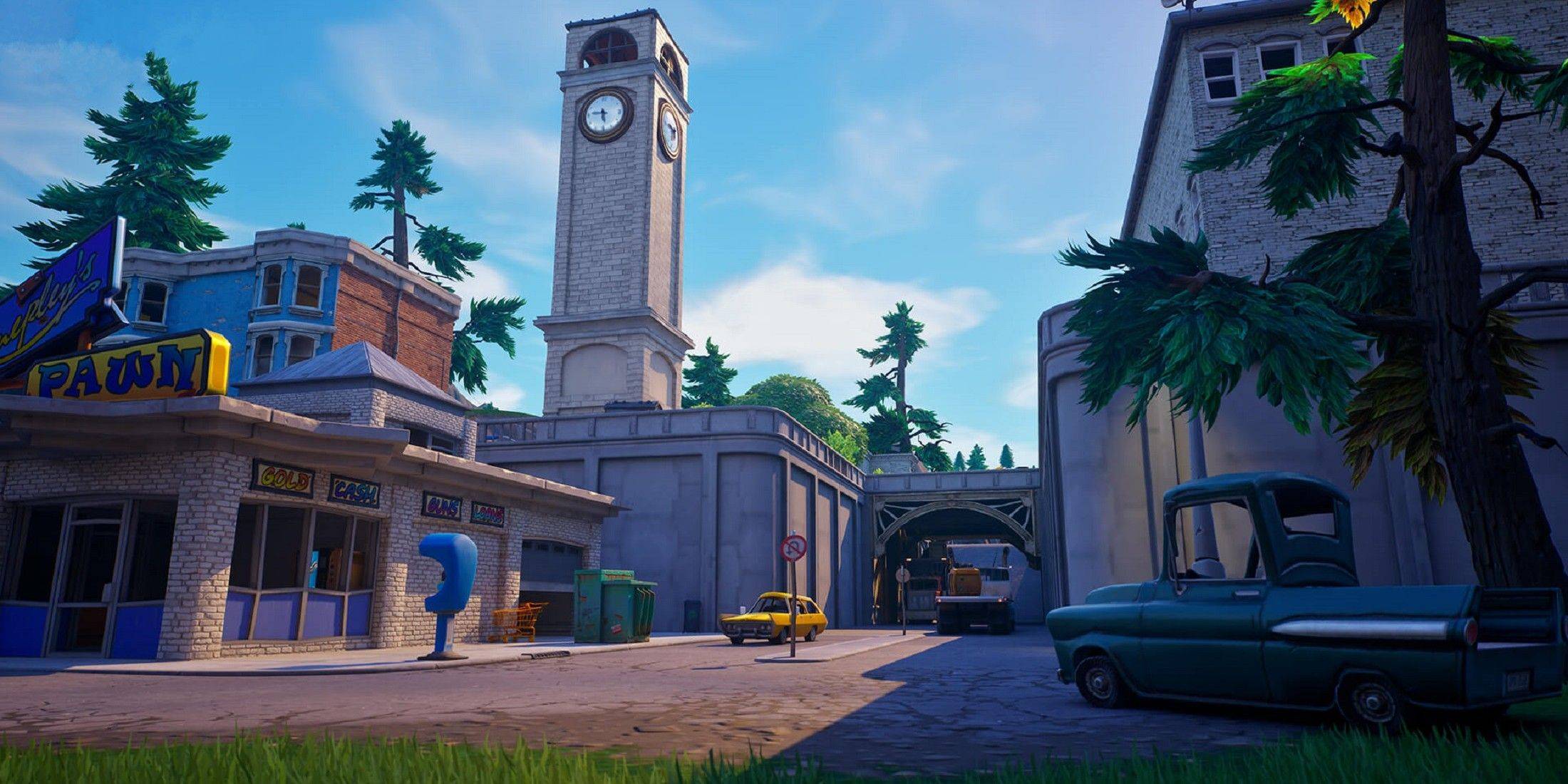 La temporada 2 de Fortnite Battle Royale marcó una evolución significativa, introduciendo características clave que dieron forma al juego en su forma actual. Como tal, la próxima temporada 2 de OG podría extenderse más allá del plazo habitual.
Después del final de la temporada actual, Fortnite OG Season 2 se lanzará rápidamente el 31 de enero de 2024, a las 9 a.m. ET / 2 PM GMT / 6 AM PT.
 Últimas descargas
 Downlaod


 Las noticias más importantes









