

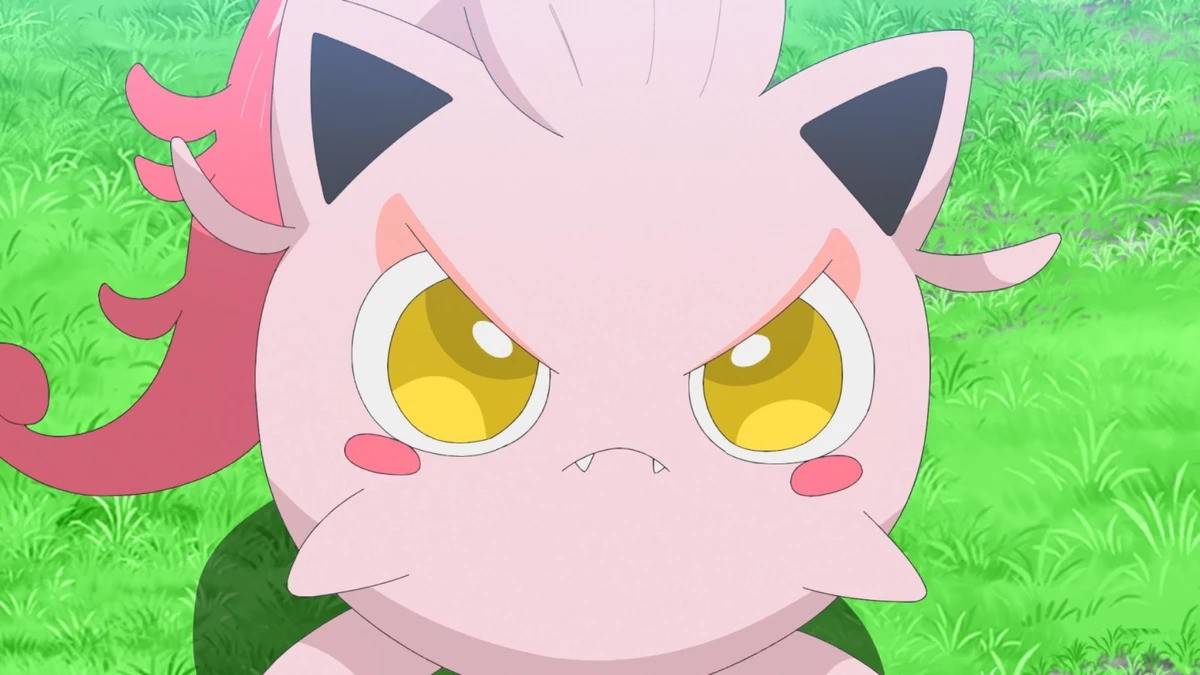
Una de las características destacadas de Pokemon Scarlet & Violet es la introducción de Pokemon Paradox, que lleva el concepto de variantes regionales un paso más allá al mostrar versiones futuristas y antiguas de Pokémon seleccionados. Aquí hay una guía completa de todo lo que necesita saber sobre estas criaturas únicas.
Cada paradoja Pokémon en Pokémon Scarlet & Violet
En los juegos de Generation IX, Paradox Pokemon se vuelve accesible en el post-juego, específicamente en el área cero. Los jugadores de Pokemon Scarlet encontrarán variantes antiguas, mientras que aquellos que juegan Pokemon Violet descubrirán versiones futuristas de Pokémon. Pokémon de paradoja antigua posee la capacidad de protosíntesis, aumentando su estadística más alta en un 30% en condiciones soleadas de día. Por el contrario, los Pokémon de paradoja futurista están equipados con la capacidad de la manejo de Quark, mejorando su estadística superior en un 30% dentro del terreno eléctrico.
Estos Pokémon Paradox han impactado significativamente la escena competitiva, lo que los hace imprescindibles tanto para los recién llegados como para los jugadores experimentados una vez que llegan al juego posterior. A continuación se muestra una lista detallada de cada Pokémon Paradox, sus tipos y sus homólogos originales.
Todos los antiguos Pokémon de paradoja
| Pokemon | Tipo (primario/secundario) | Pokémon original |
|---|---|---|
| Gran colmillo | Tierra / lucha | Donphan |
| Cola de grito | Hada / psíquico | Jigglypuff |
| Bruto Bonnett | Hierba / oscuridad | Amoonguss |
| Flutter mane | Fantasma / hada | Desgracia |
| Ala de slither | Insecto / lucha | Volcarona |
| Choques arenosos | Eléctrico / tierra | Magnetón |
| Luna rugiente | Dragón / oscuro | Mega salamance |
| Koriadon | Lucha / dragón | Ciclista |
| Estela para caminar | Agua / dragón | Suicuna |
| Incendio | Fuego / Dragón | Entrei |
| Perno furioso | Electric / Dragon | Raikou |
Todos los futuros Pokémon de paradoja
| Pokemon | Tipo (primario/secundario) | Pokémon original |
|---|---|---|
| Huellas de hierro | Tierra / acero | Donphan |
| Paquete de hierro | Hielo / agua | Parrilla |
| Manos de hierro | Lucha / electricidad | Hariyama |
| Jugulis de hierro | Oscuro / volando | Hidreigón |
| Polilla de hierro | Fuego / veneno | Volcarona |
| Espinas de hierro | Roca / electricidad | Tiranitar |
| Hierro valiente | Hada / lucha | Gardevoir y Gallade |
| Miraidon | Electric / Dragon | Ciclista |
| Hojas de hierro | Hierba / psíquico | Virizión |
| Roca de hierro | Rock / psíquico | Terrákión |
| Corona de hierro | Acero / psíquico | Cobalio |
¡Y eso es todos los Pokémon Paradox en Pokemon Scarlet & Violet !
 Últimas descargas
 Downlaod


 Las noticias más importantes









