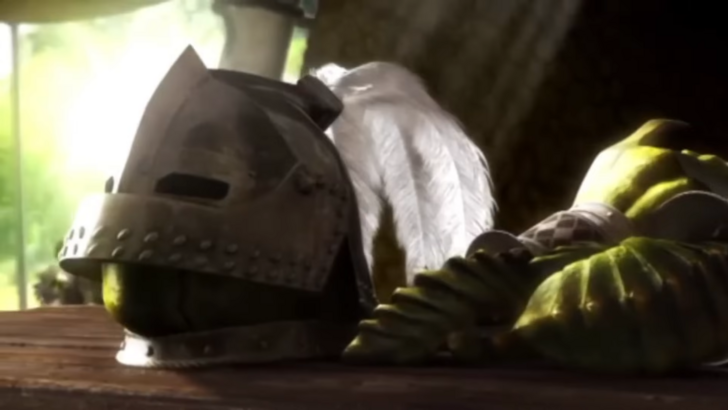
 Monster Hunter's narrative, often overlooked due to its straightforward gameplay, holds surprising depth. This deep dive explores the underlying themes and evolving storylines.
← Return to Monster Hunter Wilds' main article
Monster Hunter's Narrative Evolution
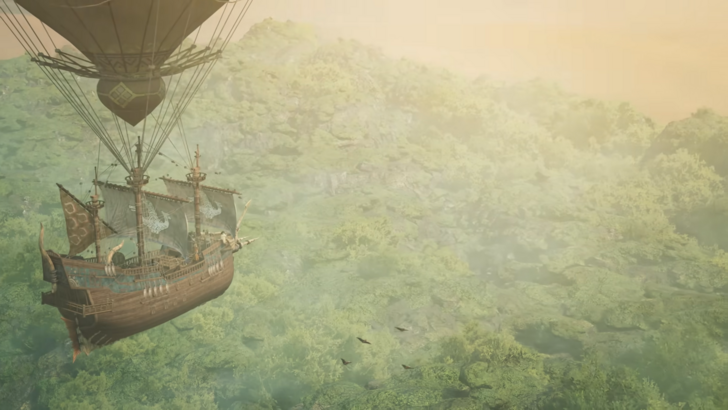 While not primarily narrative-driven, the Monster Hunter series possesses a rich, albeit subtle, storyline. Its mission-based structure, where quests dictate the player's actions, often overshadows the overarching narrative. But is it truly as simple as monster hunting for profit, fashion, and sport? Let's examine the mainline series to uncover deeper meaning.
The Hunter's Journey
 Most Monster Hunter games follow a familiar pattern: a novice Hunter accepts quests, gradually increasing their rank and hunting prowess, ultimately becoming the village's top Hunter. This progression, central to the gameplay, forms the backbone of the narrative structure, even in later, more story-focused installments. However, titles like World, Rise, and their expansions significantly expand upon this foundation.
Maintaining Ecological Balance
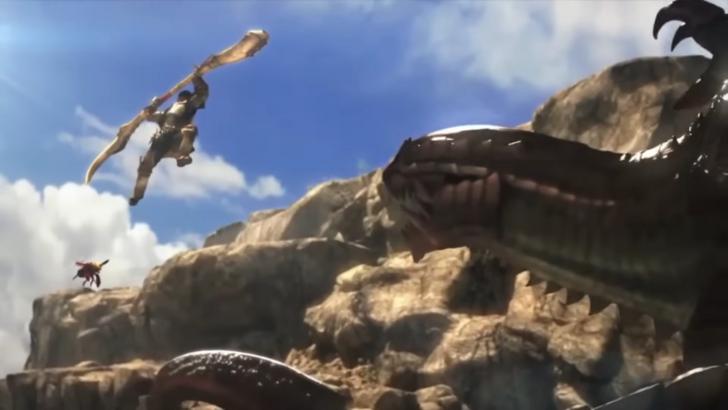 The series frequently portrays the Hunter as a crucial force in maintaining ecological balance. Monster Hunter 4 exemplifies this with the Gore Magala and its Frenzy Virus, a contagious disease that increases monster aggression. The Hunter's role is clearly defined: eliminate the threat to restore balance.
However, Monster Hunter: World and Iceborne offer a more nuanced perspective. The ending of Iceborne suggests that while humanity bears responsibility for ecological balance, understanding nature's complexities is paramount. Nergigante's role as a natural force of balance challenges the simplistic view of human intervention.
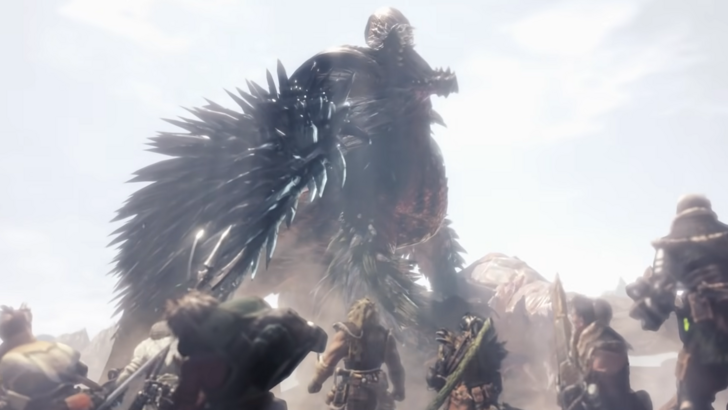 The base game's ending elevates the Hunter to "Sapphire Star," a guiding light referencing the in-game creation myth, "The Tale of the Five." This implies the Research Commission's acceptance of its role as nature's guardian, with the Hunter as their guide. Iceborne's ending, however, introduces a more somber tone, highlighting the Commission's need for further understanding of natural processes. This juxtaposition showcases nature's resilience, even without human intervention.
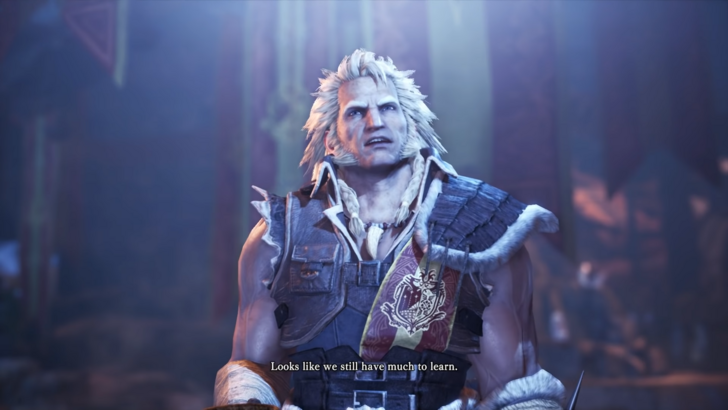 This thematic approach subtly underscores the game's depth, revealing a complex interplay between humanity and the natural world beyond simple monster hunting. But how do the monsters perceive the Hunter?
The Hunter's Reflection in the Monster
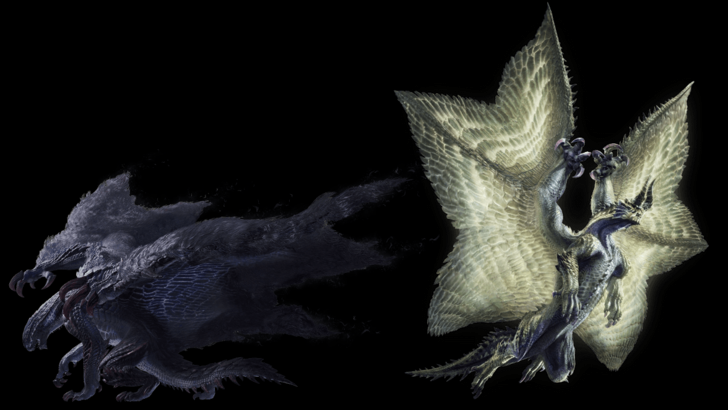 The Gore Magala's evolution into Shagaru Magala in MH4 mirrors the Hunter's own progression, suggesting that monsters also learn and adapt.
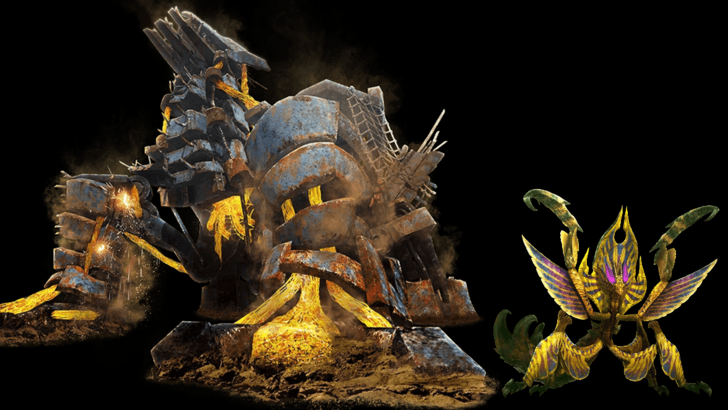 Ahtal-Ka, the final boss of Monster Hunter Generations Ultimate, embodies this theme perfectly. Its unique design, a giant bug piloting a mechanical creation, reflects the Hunter's ingenuity and resourcefulness. Its use of Hunter-like weaponry and structures underscores the cyclical nature of adaptation and evolution.
Man vs. Wild: A Personal Narrative
 Ultimately, Monster Hunter is about the player's personal journey of growth and overcoming challenges. The initial encounter with the Tigrex in Monster Hunter Freedom 2, where the Hunter is defeated, serves as a powerful motivator for the player's subsequent triumphs.
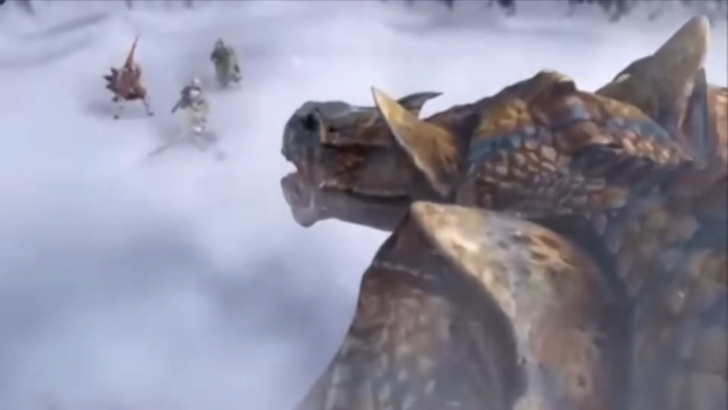 Later encounters with the same monster, after player progression, highlight this theme of overcoming adversity. This personal narrative, interwoven with the game's mechanics, creates a deeply engaging experience.
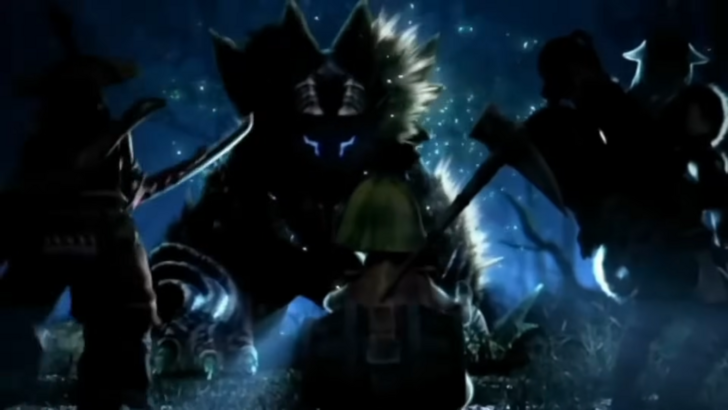 While newer installments incorporate more explicit storylines, the core essence of Monster Hunter remains: a personal journey of improvement and triumph against formidable challenges. The series may not boast the most compelling narratives, but it effectively weaves player experience into an unforgettable story.
 Latest Downloads
 Downlaod




 Top News