

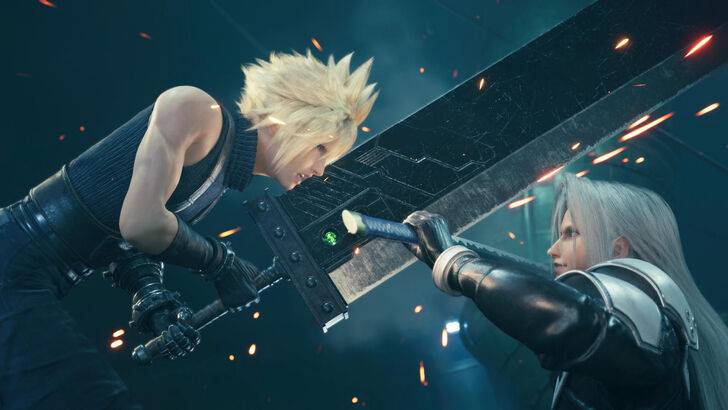
La icónica banda sonora de "ángel de un solo ala" de Final Fantasy 7 hizo una aparición sorprendente y emocionante en el desfile de moda de otoño de Louis Vuitton. Esta colaboración inesperada reúne los mundos de la música de alta moda y videojuegos en un espectacular escaparate.
Tocado por una orquesta en vivo
El famoso tema del antagonista de Final Fantasy 7 Sephiroth, "Angel de un ala", inició el programa de moda Louis Vuitton con una actuación orquestal en vivo. Mientras la música majestuosa llenaba el aire, los modelos masculinos desfilaron por la pasarela, mostrando lo último en moda de lujo.
Pharrell Williams, el director creativo del espectáculo, seleccionó la banda sonora, que presentó predominantemente artistas pop como The Weeknd, Playboy Carti, Don Toliver y K-Pop Stars Seventeen y BTS 'J-Hope. Curiosamente, Williams contribuyó a la composición de cada pista, excepto "Angel de un ala", que fue creado por el legendario Nobuo Uematsu. Si bien la razón específica para elegir esta pista permanece sin revelar, es plausible que Williams sea fanático de la serie Final Fantasy o simplemente aprecie la grandeza de la música.
Para aquellos intrigados por esta combinación única de cultura de moda y juego, la transmisión en vivo del evento está disponible en el canal oficial de YouTube de Louis Vuitton.
Square Enix está encantado
Square Enix, los creadores de Final Fantasy 7, expresaron su deleite en la cuenta oficial de Final Fantasy 7 X (Twitter): "¡Estamos más que felices de escuchar al director musical Pharrell Williams y al equipo han incluido un ángel de una ala en el Salón de la Moda de Fall-Winter 2025 de Louis Vuitton!" Compartieron esta emoción junto con un enlace al video.
Final Fantasy 7: un clásico querido
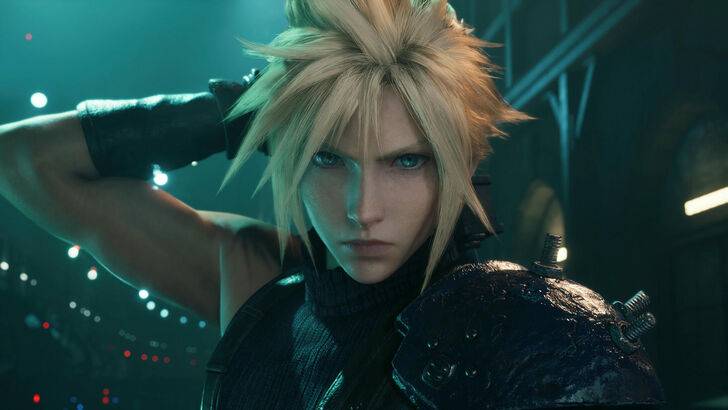
Final Fantasy 7 se destaca como uno de los títulos más apreciados de la serie de larga duración. Sigue el viaje del protagonista Cloud Strife y sus compañeros mientras luchan contra la megacorporación Shinra y el formidable Sephiroth. Lanzado en 1997, se ha convertido en un recuerdo apreciado para los jugadores de todo el mundo.
El juego fue revitalizado casi dos décadas después con un avance sorpresa en E3 2015, seguido de una revelación de juego en PlayStation Experience 2015. El proyecto de remake de Final Fantasy 7, imaginado como una trilogía, reinventa el clásico con gráficos actualizados, nuevo contenido, combate mejorado y nuevas historias. La primera entrega, "Final Fantasy 7 Remake", está disponible en PlayStation 5, PlayStation 4 y PC. La segunda parte, "Final Fantasy 7 Rebirth", se puede jugar en PlayStation 5, con una versión para PC que se lanzará en Steam el 23 de enero.
 Últimas descargas
 Downlaod

 Las noticias más importantes









