

Echocalypse es un nuevo y emocionante juego de rol por turnos en el que entras en el lugar de un despertar, aprovechando el poder del maná para llevar a las chicas Kimono a triunfar sobre las fuerzas malvadas. Una característica clave del juego es el sistema de afinidad, que ofrece una forma gratificante de profundizar su conexión con los personajes. Al aumentar la afinidad, no solo mejora sus habilidades, sino que también desbloquea nuevas historias, por lo que es esencial para construir un equipo poderoso que se alinee con sus elecciones estratégicas y sus preferencias personales.
¿Qué son las afinidades?
En Echocalypse, Affinity representa su relación con sus casos. Cada caso tiene un nivel de afinidad único que crece a medida que interactúas con ellos, les regalas artículos y completas tareas juntas. Los niveles de afinidad más altos significan un vínculo más fuerte, desbloqueando una variedad de recompensas y mejorando las habilidades de su caso.
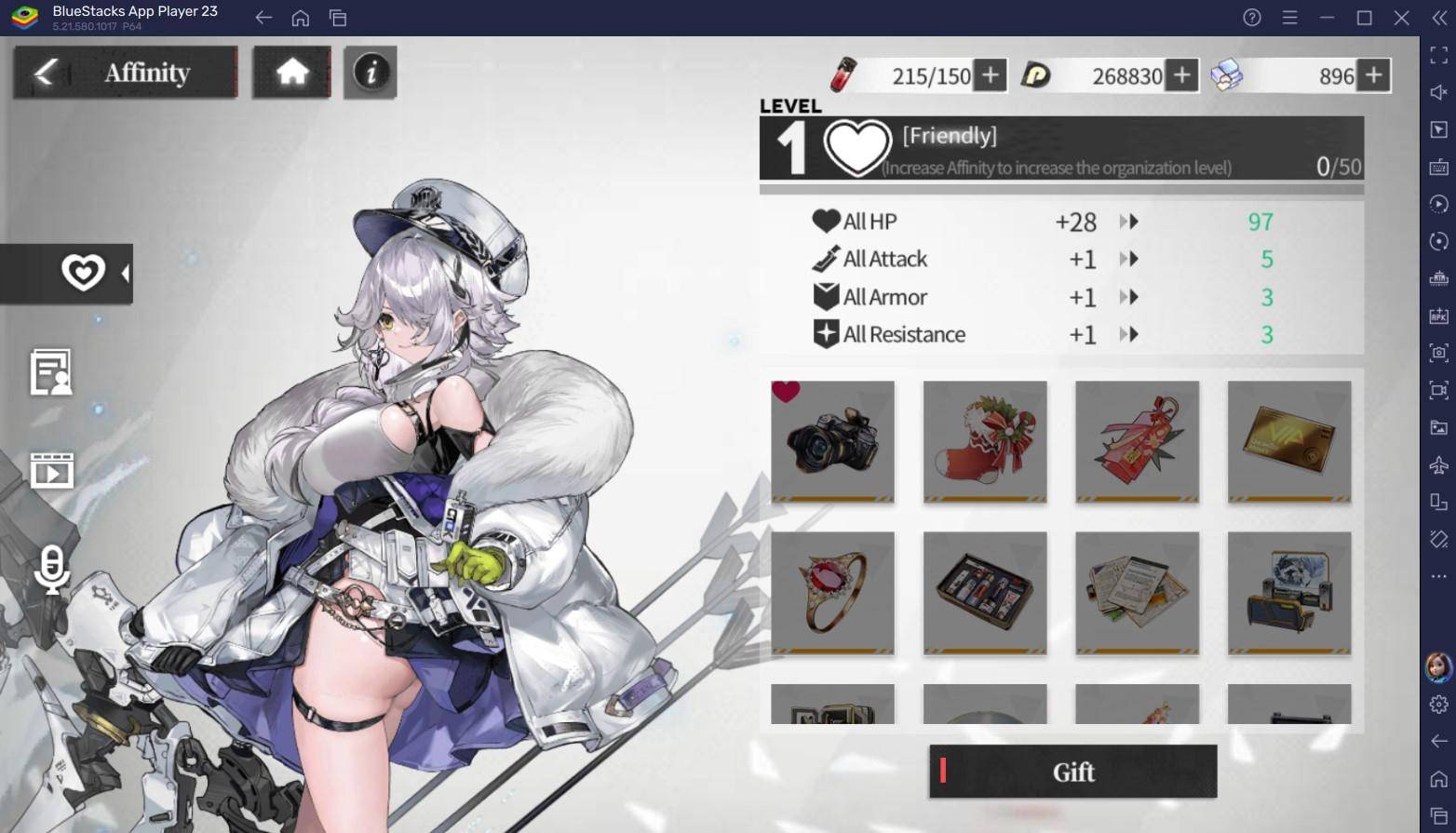
- ** Desbloquea nuevas habilidades ** - A medida que aumenta la afinidad, cada caso desbloquea habilidades únicas que pueden ser vitales en batallas, especialmente en niveles más altos. Estos pueden incluir una curación mejorada, mayor poder de ataque o efectos de estado únicos que pueden cambiar el impulso en encuentros difíciles.
- ** Estadísticas mejoradas ** - La elevación de los niveles de afinidad a menudo resulta en impultos a estadísticas críticas como ataque, defensa o salud. Estas mejoras hacen que su caso sea más formidable en combate, lo cual es particularmente ventajoso en misiones desafiantes o batallas PVP.
- ** Desbloquear historias especiales ** - Lograr ciertos hitos de afinidad le permite desbloquear el contenido de la historia adaptado a cada caso. Estas historias proporcionan ideas más profundas sobre los antecedentes y la personalidad del personaje, enriqueciendo su comprensión de su lugar en la narrativa del juego.
- ** Obtenga recompensas especiales ** - Los altos niveles de afinidad pueden otorgarle artículos exclusivos que solo están disponibles a través de relaciones de crianza. Estos pueden incluir equipos potentes, materiales de fabricación raros o cosméticos únicos.
Para una experiencia de juego mejorada, es muy recomendable reproducir Echocalypse en una pantalla más grande utilizando su PC o computadora portátil con BlueStacks. Esta configuración garantiza un juego suave sin la preocupación del drenaje de la batería.
 Últimas descargas
 Downlaod




 Las noticias más importantes









