

Jugar Pokémon va por un tiempo y acumuló varios Pokémon, incluidos algunos raros? ¿Es tu inventario un desastre? ¡Así que aprende a dominar la herramienta de búsqueda! Esta guía le mostrará cómo usar su barra de búsqueda de inventario de manera eficiente y organizada.
Resumen
- Concéntrese en lo que más le guste
- Usa las etiquetas
- Presta atención a IV
- Buscando Pokémon y habilidades individuales
Concéntrate en el juego que más te gusta
Antes de organizarte, pregúntate: "¿Con qué Pokémon me gusta jugar?" y "¿Qué tipo de contenido prefiero?" La definición de las prioridades ayudará a identificar el Pokémon realmente importante. Algunos pueden ser raros, pero si no los usa, puede no ser necesario mantenerlos visibles en el inventario.

Etiquetas
En el inventario, use la función "Etiqueta". Cree etiquetas para separar Pokémon útiles de inútil. Separe a su favorito, los más raros, los que usa en las batallas, etc. Lo importante es usar las etiquetas convenientemente para *usted *.
También considere Tague Pokémon para futuras evoluciones y aquellos fuertes en el objetivo actual (¡recuerde que el objetivo cambia a menudo!).

Presta atención a IV
Mantenga Pokémon con IV 4 y IV 3, ya que pueden ser útiles en el futuro. En la barra de búsqueda, escriba "*4" o "*3" para encontrarlos.
¡No descarte Pokémon que puedan ganar relevancia en la meta! Consulte estadísticas de jugadores experimentados para tomar decisiones informadas.
Búsqueda individual de Pokémon y habilidades en inventario
Para encontrar un tipo específico, escriba el nombre en la barra de búsqueda. Para Pokémon con Modificadores de ataque o defensa 1, escriba "1atach" o "1defesa".
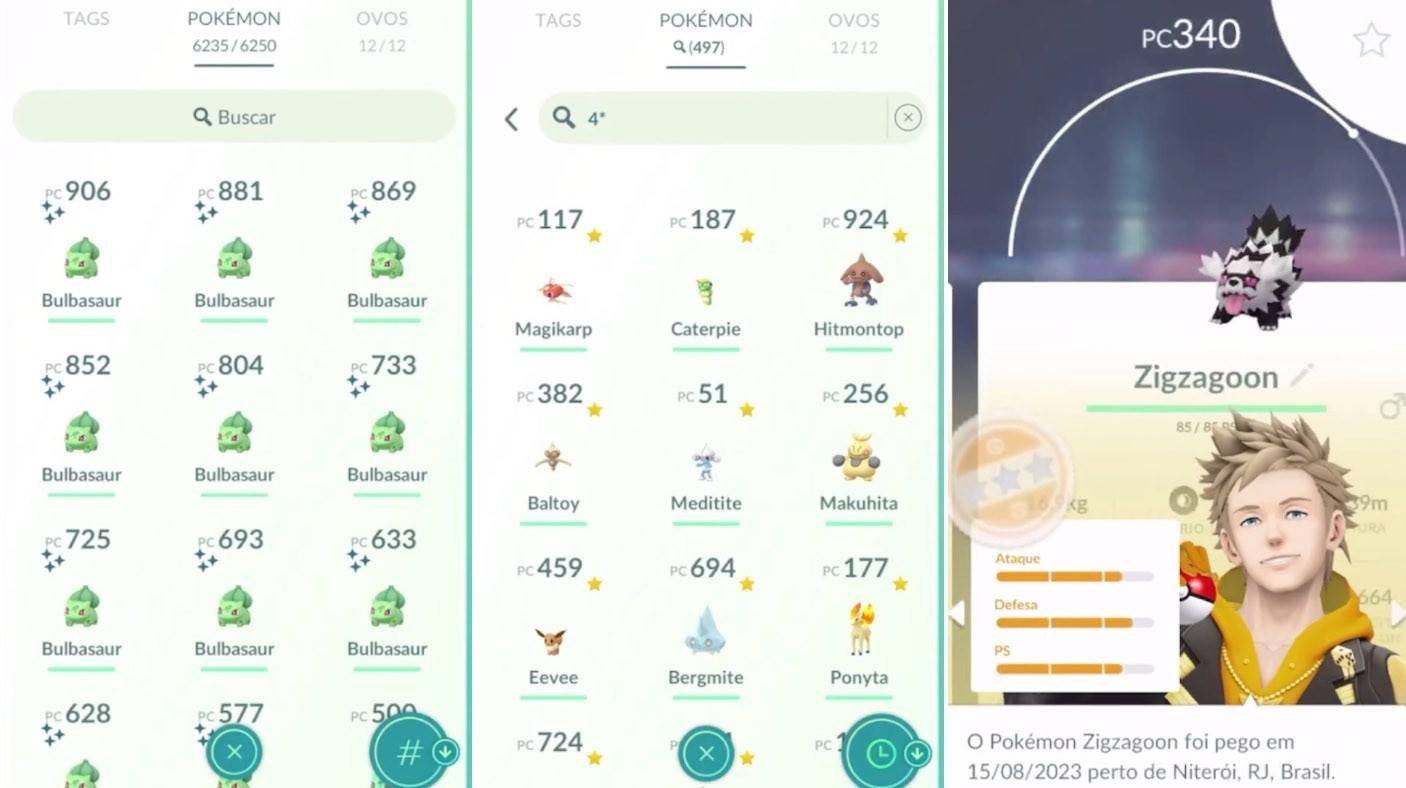
Para Pokémon listo para evolucionar, use "Tipo y evolucionar". Por ejemplo, "Dark & Evolve" mostrará Pokémon de tipo oscuro listo para evolucionar. Agregue una etiqueta para mantenerlos visibles.
¿Olvidó el nombre? Use "+" antes del nombre de la forma no volada (por ejemplo, "+pikachu"). El juego mostrará toda la línea evolutiva.

Para Pokémon de una región específica, escriba el nombre de la región. Use "@" para parámetros específicos. "@3tipo" muestra el mejor Pokémon de velocidad de ataque en un tipo específico. "@hability" mostrará a Pokémon con una habilidad específica.

También puede buscar por el número de Pokédex.
La función de búsqueda es poderosa y simplifica la organización de su inventario. Con esta guía, ¡puede organizar su Pokémon de manera eficiente y práctica!
*Imagen principal: Teaching.com*
 Últimas descargas
 Downlaod




 Las noticias más importantes









