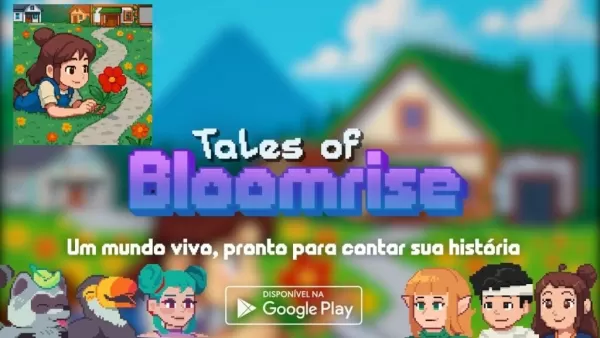
Tales of Bloomrise ist derzeit in einer Soft-Launch-Phase für Android erhältlich. Entwickelt und veröffentlicht vom brasilianischen Indie-Studio Minelli, vereint dieses Pixel-Art-RPG das gemütliche Leben in einer kleinen Stadt mit Dungeon-Crawling und Abenteuern.
Wo kann man Tales of Bloomrise spielen?
Das Spiel ist derzeit in Brasilien, den Vereinigten Staaten, Kanada und dem Vereinigten Königreich kostenlos spielbar. Sein Design ist eine Hommage an klassische und moderne Pixel-Art-RPGs und eignet sich daher hervorragend für Fans von Titeln wie Stardew Valley oder den frühen Zelda-Spielen.
Sie übernehmen die Rolle von Rayy, einem jungen Abenteurer, der sich zur Verteidigung des friedlichen Dorfes Bloomrise verpflichtet hat. Ihre Suche nach den Geheimnissen der nahegelegenen Ruinen entwickelt sich von einer einfachen Untersuchung zu einer epischen Reise voller uralter Rätsel, harten Kämpfen und überraschenden Entdeckungen.
Verbringen Sie Ihre Tage damit, die Dorfbewohner kennenzulernen und der Gemeinschaft bei ihrem Aufblühen zu helfen. Wenn die Nacht einbricht, begeben Sie sich in prozedural generierte Dungeons, um Rätsel zu lösen, Monster wie Zombies und Schleime zu bekämpfen und die übergeordnete Handlung zusammenzufügen.
Werfen Sie einen ersten Blick auf Tales of Bloomrise im folgenden Video.
Entdecken Sie die Geheimnisse von Bloomrise ----------------------------------Neben Rayy treffen Sie auf eine Reihe einprägsamer Charaktere. J. Minelli, der Händler und Rayys Ehemann, versieht Sie mit Ihrem ersten Schwert. Victor Bloom, der ruhige Bürgermeister und Bibliothekar, fungiert als weiser Führer. Der freundliche Holzfäller Wade Woodson liefert Holz und handelt nützliche Gegenstände.
Obwohl das Spiel sich noch in der frühen Zugangsphase befindet, ist es vollständig ins Englische übersetzt. Die Entwickler haben weitere Inhalte für zukünftige Updates geplant, sodass Sie es jetzt im Google Play Store ausprobieren können.
Weitere Spiel-News finden Sie in unserem Bericht über das Terra Nil Heatwave Update, das drei neue Karten und Funktionen hinzufügt.
 Neueste Downloads
 Downlaod




 Top-Nachrichten